

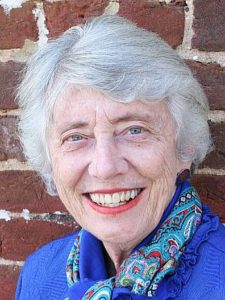
 At different stages of my life, I have been introduced to various vocabularies and tasked with learning, defining and applying these new words. As a youngster, it was the weekly spelling lists. Charged with learning to spell, define and use the words in a sentence, my friends and I nervously waited for the test each week that would measure our success in expanding our word knowledge. Similarly, in high school, each week brought at least 20 new words, first in Latin and later in French. Later, new terms, phrases and acronyms appeared periodically throughout my career.
“The creative expressions of reaching out in love and the trust experienced through faith bring courage to keep moving forward.”
Even now, in my eighth decade of life, I am struggling to expand my knowledge of Spanish in response to our son’s work in the Dominican Republic and his marriage to a native of Guatemala (whose fluency in English puts my faltering attempts in Spanish to shame). Even my young grandson, equally comfortable in Spanish and English by age four, chides my attempts, saying, “Grandma, speak English!”
More recently, all of us have been introduced to a whole new lexicon related to the COVID-19 disease and its impact. As I have pondered some of these words, I have been struck by the contrasts between the vocabulary of the global pandemic and the “vocabulary of grace” – the words that have held such deep meaning for me in my spiritual journey. As I walk through the neighborhood, surrounded by the beauty of spring but aware of the lack of traffic and the in-house presence of neighbors not at work, these comparative lists keep running through my mind – one describing our reaction to a spreading virus, the other reminding me of faith and joy, regardless of circumstances.
Here are a few examples, both in bold, but with the vocabulary of grace in italics:
Daily we are reminded of the urgency of social distancing and the vital importance of isolating ourselves from others as essential steps in mitigating the spread of the disease. Already we can see the effectiveness of these instructions, which may be necessary for a yet undetermined time to prevent renewed waves of COVID-19.
In contrast, my faith emphasizes loving contact in a community, an essential aid in transformation and redemptive living. By faith, I look forward to renewing in the future such contact with family, friends and even strangers.
During this dangerous and unprecedented time, I am instructed to shelter in place as a counter to the virulent contagion sweeping through our communities, states, country and the world.
At the same time, this unusual slowdown has encouraged me to take refuge in quiet study and new forms of virtual connection, both of which displace the despair of the pandemic with the hope of faith. I have been heartened by the creative ways people have provided encouragement to each other, such as writing words of hope and courage in chalk at the end of driveways in our neighborhood.
In contrast to political expedience and claims of fake news, I am refreshed with truth, found not only in scientific data from truth-speaking doctors and fact-based reporting from reputable news sources, but also in scripture, other reading, prayer, conversations with friends and family and even sidewalk art.
“I have been struck by the contrasts between the vocabulary of the global pandemic and the ‘vocabulary of grace.’”
Daily we hear reports from governors, mayors and national and local health care providers of scarcity of desperately needed equipment, such as ventilators, testing and N-95 masks. In a wealthy country such as ours, the failure to provide our front-line workers with protective equipment is not only troubling, but almost criminal neglect. In these difficult times, all too often our leaders seem more intent on pointing fingers and placing blame.
But, in the quiet of my study, I recognize the grace-filled promises of abundance, the joy of compassion in responding to needs, and the necessity of giving and receiving forgiveness. My spiritual lungs inhale the winds of the spirit as I remove the masks of pretense and experience the freedom of becoming open and vulnerable.
It is impossible to know where we are in the life cycle of this pandemic. The number of deaths and the economic costs of the accompanying recession are updated daily. The uncertainty of the timeframe for recovery creates genuine fear.
In spite of this, the creative expressions of reaching out in love and the trust experienced through faith bring courage to keep moving forward toward the hope of ultimate restoration and perhaps even resurrection to new patterns in the living of our days.
In these discoveries of stark contrasts between the vocabulary of the coronavirus and that of grace, I think of the vocabulary of the apostle Paul. I believe “faith, hope and love remain, but the greatest of these is love.”
These, I believe, will bring us through the perilous days of a global pandemic.
Read more BNG news and opinion on this topic:
#intimeslikethese