

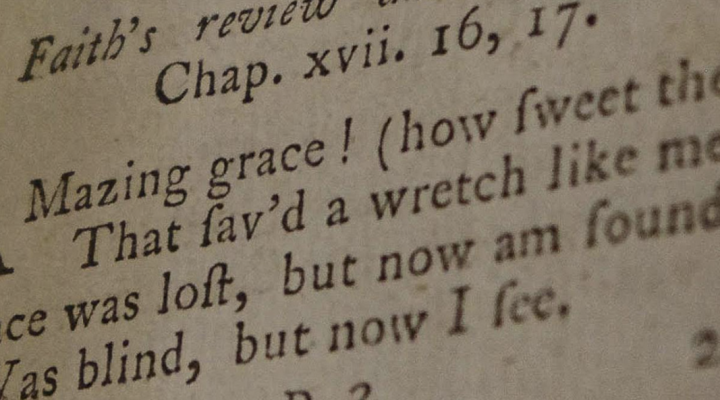
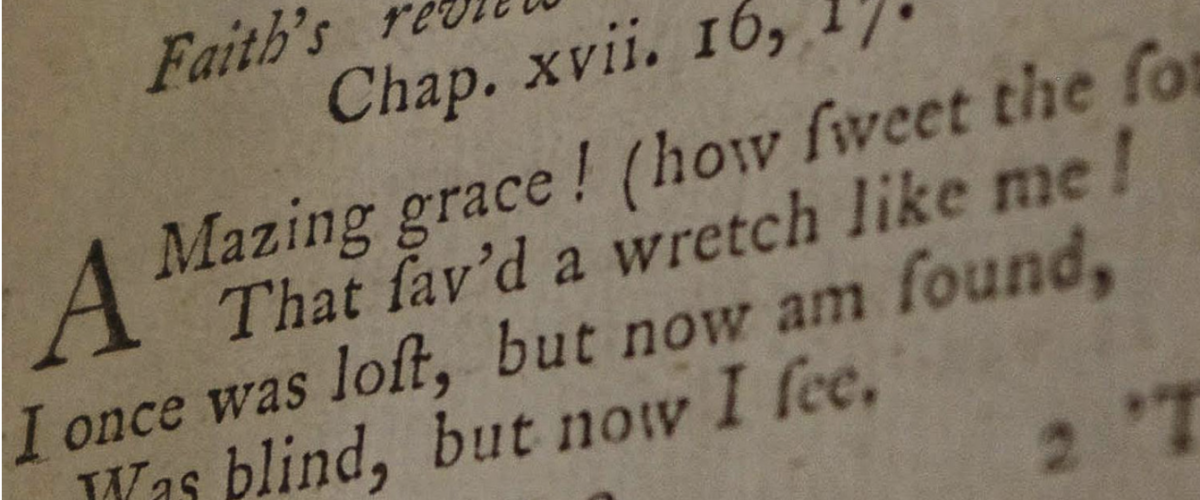
This week marked the 250th anniversary of the first time “Amazing Grace” was sung.
What has become one of the world’s most-beloved Christian hymns debuted on New Year’s Day 1773 at the Anglican parish church in Olney, England.
Its words were written by the parish pastor, John Newton, who wrote from his personal experience as a participant in the Atlantic slave trade.
A special New Year’s Day Service was held at St. Peter and St. Paul’s Church last Sunday. Bishop Rose Hudson-Wilkin, bishop of Dover, was the preacher and a combined choir from area churches performed. The service was themed around the message of “Amazing Grace.”
Other groups have been celebrating the anniversary in advance and will do so for the next six months. Some of those celebrations are highlighted at the Cowper and Newton Museum, which has online and in-person resources about Newton and “Amazing Grace.”
Newton and poet William Cowper together wrote a large number of hymns, often new ones for each service, that later were published in a collection called Olney Hymns in 1779. “Amazing Grace” was in that collection.
Although not published until 1779, the hymn had been sung at the Olney church on New Year’s Day 1773, to accompany Newton’s sermon on 1 Chronicles 17:16-17:
And David the king came and sat before the Lord, and said, Who am I, O Lord God, and what is mine house, that thou hast brought me hitherto? And yet this was a small thing in thine eyes, O God; for thou hast also spoken of thy servant’s house for a great while to come, and hast regarded me according to the estate of a man of high degree, O Lord God.
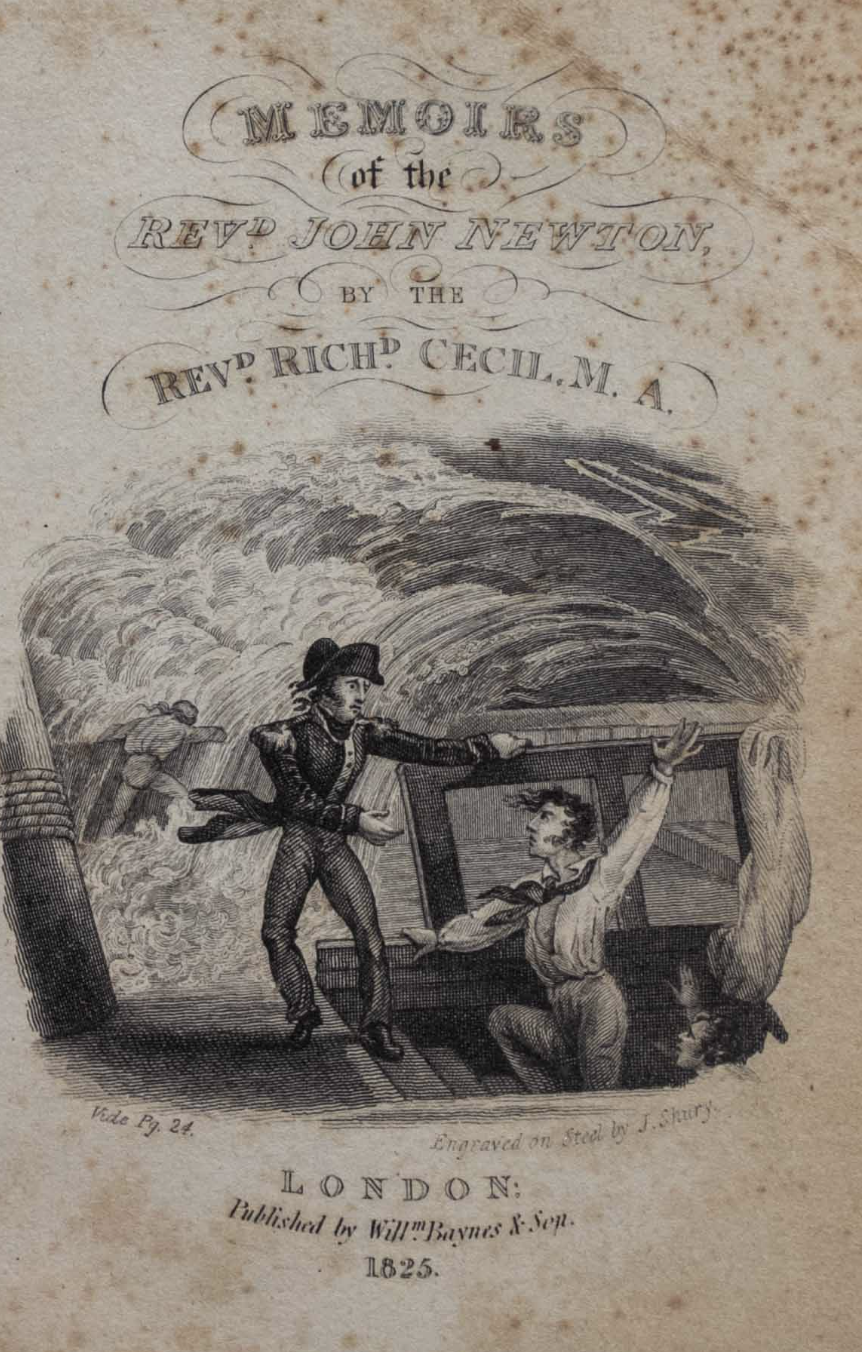 Historical analysis by the Cowper and Newton Museum highlights the likelihood that Newton was speaking that Sunday of his own experience at sea, where he had a profound conversion experience during a storm while carrying slaves — an experience that “saved a wretch like me.”
The museum analysis also suggests Newton could have been thinking of his friend Cowper, who suffered severe depression, when he wrote these words: “’Tis grace has brought me safe this far, and grace will lead me home.”
What most Americans do not realize is that the popular final verse of this beloved hymn was a later addition not written by Newton. His original fifth and sixth stanzas are rarely sung today in American settings.
What Americans today know as the final verse — “When we’ve been there ten thousand years …” — apparently was attached to “Amazing Grace” by the composer E.O. Excell in the early 20th century.
Across the world, “Amazing Grace” has become one of the most recognizable Christian hymns of all time — used in worship services, funerals, special events, and recorded by artists of all genres.
Newton served as curate at St. Peter and St. Paul’s Church from 1764 to 1780. He worked with William Wilberforce, who become the greatest advocate of the abolition of the slave trade. They also worked together to establish a home for freed slaves in Sierra Leone.
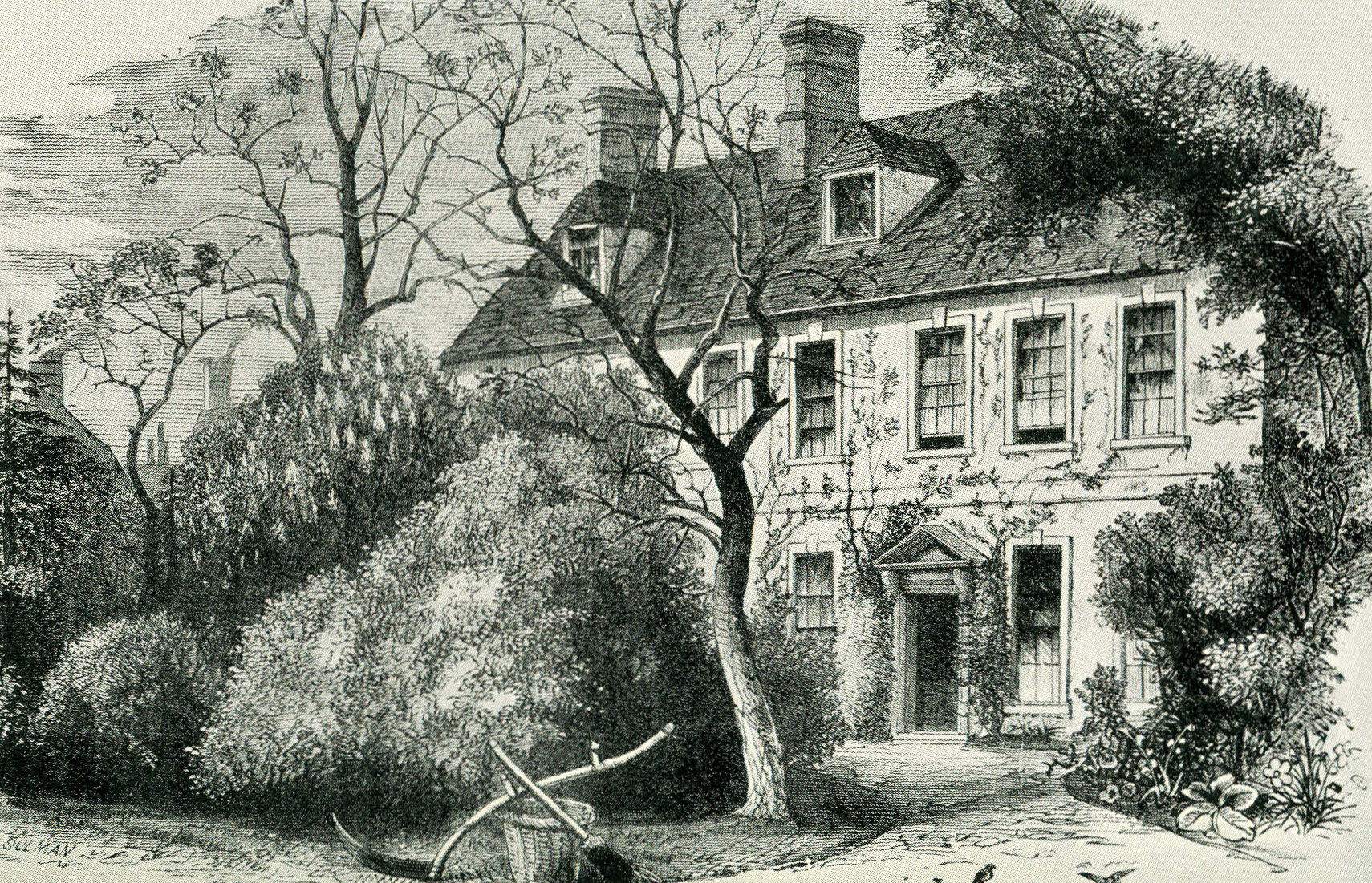
The vicerage in Olney where Newton wrote “Amazing Grace.”
Newton was raised without religious conviction. As a young man, he entered service in the Royal Navy. After a series of misbehaviors that led to his expulsion from the Navy, he was consigned to work on a slave ship. His spiritual conversion likely began on a storm-tossed night when he genuinely feared for his life but played out over several years as he turned from an impetuous and foul-mouthed sailor to someone who later sought theological education and ordination.
Newton was ordained in the Church of England in 1764 and became curate of the church in Olney, which at the time was a small town of about 2,500 people, mainly poor and illiterate. He was known there for his confessional sermons in which he identified with the sinfulness and suffering of the people to whom he preached.
He later helped found the Christian Missionary Society, which held its first meeting Jan. 16, 1783.
Although the text to “Amazing Grace” dates to 1773, the tune most often associated with the hymn today came later. It is not known what tune might have been used on that New Year’s Day 1773 or whether any tune at all was used. The congregation could have chanted.
Over time, the text was sung to 20 or more tunes — although largely forgotten in Britain and only recaptured in America during the Second Great Awakening of the early 19th century.
In 1835, American composer William Walker set it to the tune “New Britain,” the version best known today.
The modern version of “Amazing Grace” first was published in 1910 and after gaining widespread acceptance in the United States spread across the world again.
Hymnologist Michael Hawn has written that “the greatest enigma of this hymn is that ‘Amazing Grace’ speaks globally of the mystery of salvation without mentioning the name of Jesus. … The universality of this hymn lies in our awareness of the wretchedness of the human condition and for a hope deeply embedded in humanity at large that we may be ‘saved’ from that condition by something beyond ourselves.”
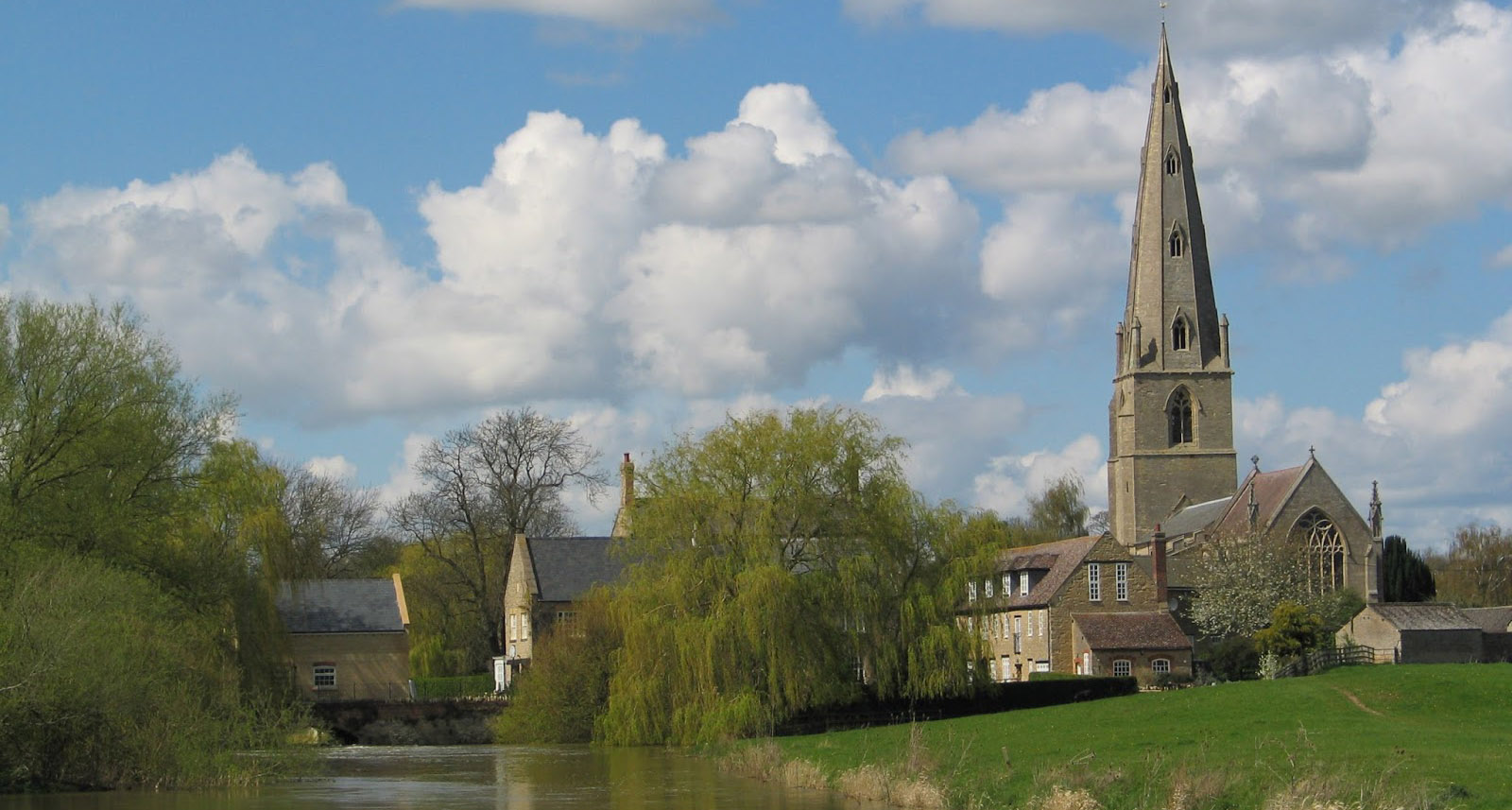
St. Peter and St. Paul’s Church in Olney, erected between 1330 and 1400.
Related articles:
Amazing grace: Settling a troubled soul | Opinion by Aileen Lawrimore
Wilberforce documentary to air on PBS
McAfee prof sees hope in Gissendaner’s life and example, despite execution