

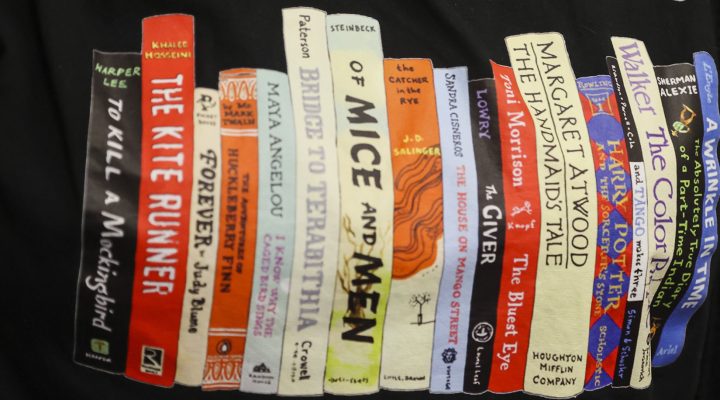
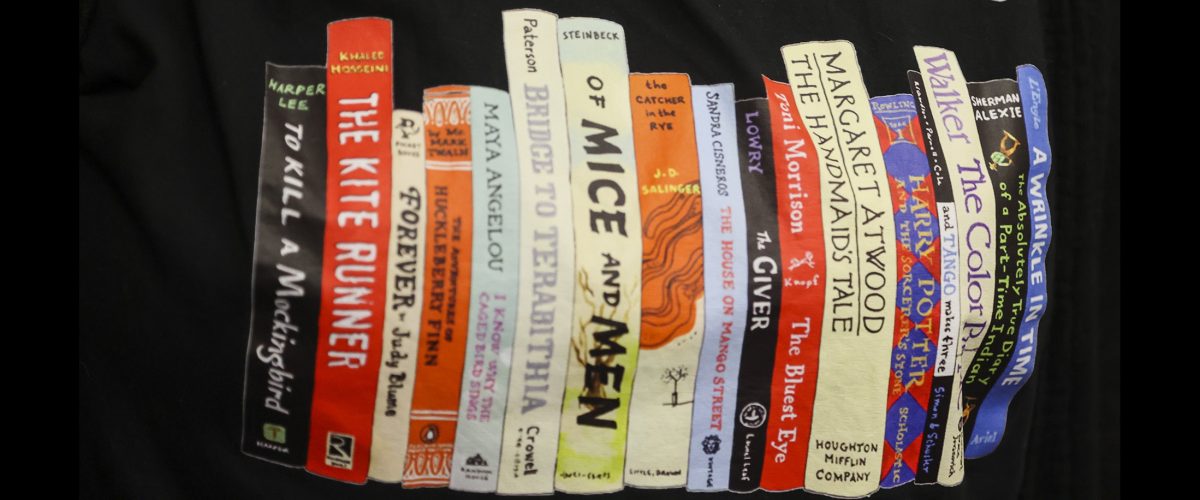
All those worries about book bans in public school libraries was just a “hoax,” according to the Trump administration.
The acting assistant secretary for civil rights at the U.S. Department of Education made that declaration in a Jan. 24 news release. That administrator is Craig Trainor, one of a group of Trump appointees named to new posts last week. Trainor previously worked in the U.S. House of Representatives with Republican Jim Jordan of Ohio, who chairs the House Committee on the Judiciary. Trainor has ties to several far-right groups including America First Policy Institute, The Fairness Center and the Federalist Society.
The three top-level Trump appointees to the Education Department all came from America First Policy Institute.
The three top-level Trump appointees to the Education Department all came from America First Policy Institute, a group founded in 2021 that Politico has called “a White House in waiting.” The group’s intent was to preserve and advance Trump’s public policy agenda after he was voted out of office.
The news release said the Education Department’s Office for Civil Rights has “dismissed 11 complaints related to so-called ‘book bans.’ The complaints alleged that local school districts’ removal of age-inappropriate, sexually explicit, or obscene materials from their school libraries created a hostile environment for students — a meritless claim premised upon a dubious legal theory.”
Further, the department “has rescinded all department guidance issued under the theory that a school district’s removal of age-inappropriate books from its libraries may violate civil rights laws. OCR is also dismissing six additional pending allegations of book banning and will no longer employ a ‘book ban coordinator’ to investigate local school districts and parents working to protect students from obscene content.”
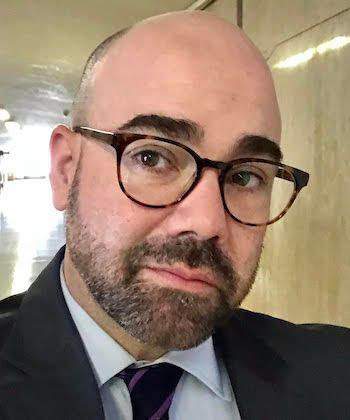
Craig Trainor
All this is toward the goal of “restoring the fundamental rights of parents to direct their children’s education,” Trainor said. “The department adheres to the deeply rooted American principle that local control over public education best allows parents and teachers alike to assess the educational needs of their children and communities. Parents and school boards have broad discretion to fulfill that important responsibility. These decisions will no longer be second-guessed by the Office for Civil Rights at the U.S. Department of Education.”
When the Trump appointees took over, they reviewed “alleged book banning,” the release said, and “quickly confirmed that books are not being ‘banned,’ but that school districts, in consultation with parents and community stakeholders, have established commonsense processes by which to evaluate and remove age-inappropriate materials. Because this is a question of parental and community judgment, not civil rights, OCR has no role in these matters.”
The advocacy group Every Library is among those objecting to the Trump administration’s actions and language calling book bans a “hoax.”
The Trump appointees are in violation of Title VI and IX of the Civil Rights Act — “foundational civil rights laws enacted to ensure that students in educational settings are free from discrimination. Title IX prohibits discrimination on the basis of sex, including protections for sexual orientation and gender identity, ensuring equal access to education and school resources. Title VI prohibits discrimination based on race, color or national origin, safeguarding students against racial bias and fostering equitable access to educational programs. Together, these laws are important tools to ensure that schools remain settings where all students can learn and thrive without fear of exclusion or harassment.”
Many of the books in question in these school library bans were flagged by conservatives because of content related to human sexuality, sexual orientation, gender identity and racial identities.
Every Library questions why the Trump appointees find such claims “meritless”: “Why is censorship, which silences students and restricts their access to education, not a priority for the administration? Why is the Office for Civil Rights being stripped of its capacity to hold districts accountable for these actions?”
Censorship in school libraries is “a real issue,” the group said. “Since 2021, organizations such as PEN America have documented nearly 16,000 instances of book bans, disproportionately targeting books about race, racism, and LGBTQ topics. These actions harm students by denying them access to diverse voices, perspectives and stories that reflect their own experiences and identities.”
Related articles:
States counter growing number of book bans with book ban bans
For the love of literature: How book bans are whitewashing America | Analysis by Laura Ellis
Publishers sue to stop Florida’s rapid book bans