

As we approach Black History Month, I’ve been struggling as a Black pastor to find the right words to share with my predominantly white faith community. What could I say differently this year from the pulpit that I hadn’t already shared over the last year? How could I convince this faith community that words don’t suffice and that quoting Martin Luther King Jr. isn’t enough?
As we live in the space between Christmas and Easter, what would inspire this community to continue to be Christmas people, bringing hope, love, peace and joy to the world and simultaneously making it relevant, knowing the Christ we welcomed just weeks ago spent his life with those on the margins and facing injustice?
What would inspire us to move from thoughts and prayers to being the hands and feet of Jesus? What would encourage them to drop the stones, to lean in and see their neighbor?

Braxton Wade
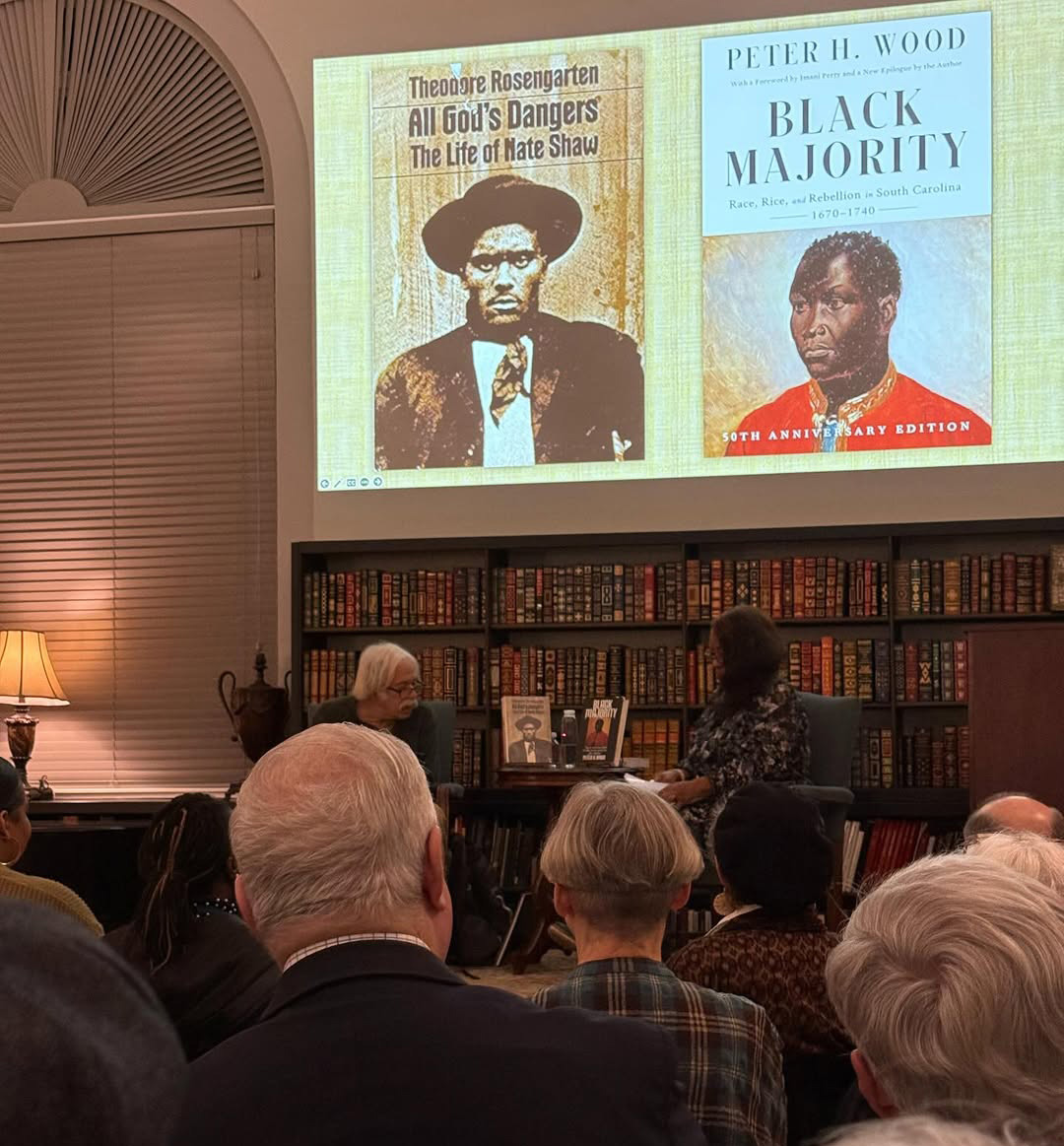
I recently had the opportunity to accompany my friend Molly Robinson to Charleston, S.C., for the 50th anniversary of All God’s Dangers: The Life of Nate Shaw by Theodore Rosengarten and Black Majority by Peter Wood. Molly is a native of Richmond, Va., and a Ph.D. candidate in American studies. Molly’s work attends to the overlaps and intersections of kinship, land tenure and contested belonging among Black descendant communities with limited access to their ancestral homelands. She had invited me to join her for this event about a month prior, and I remember thinking, “This white woman is coming to life talking about these books, specifically All God’s Dangers.”
Little did I realize then, but that invitation would be a guidepost for me; it would become manna in the desert as a person, Black man and pastor.
Theodore Rosengarten’s All God’s Dangers: The Life of Nate Shaw offers a powerful example of how storytelling can break the silence that perpetuates injustice and bring us closer to the beloved community Jesus calls us to build.
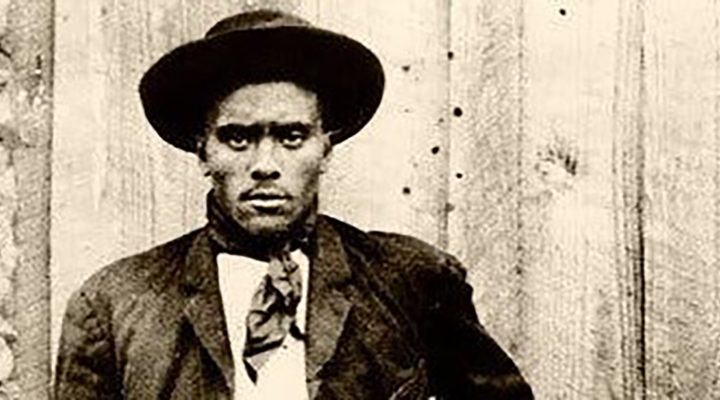
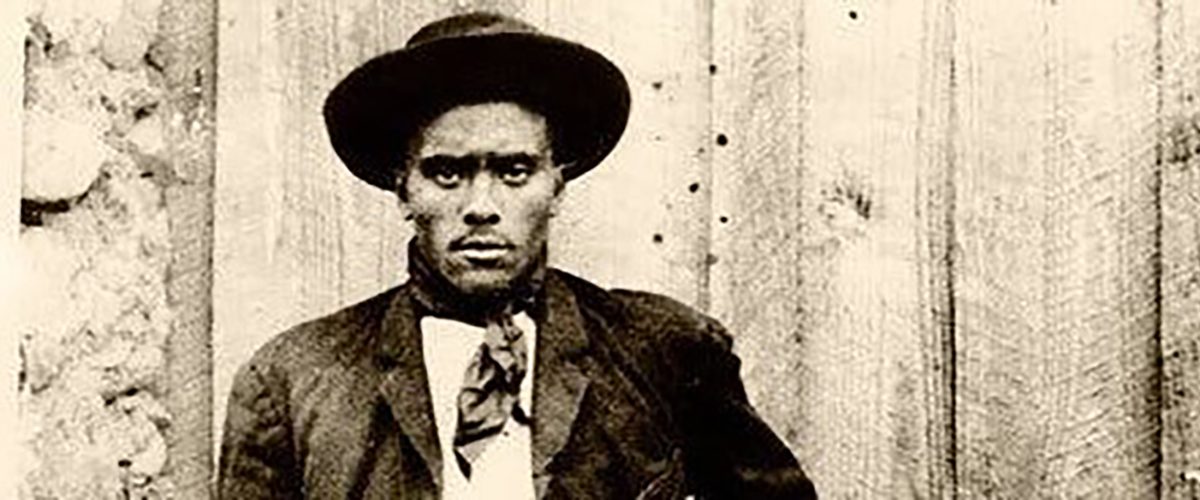
This extraordinary book tells the story of Nate Shaw (also known as Ned Cobb), an African American sharecropper whose life spanned some of the most tumultuous periods in American history. Through Shaw’s voice, Rosengarten captures the raw realities of life in the Jim Crow South — a world shaped by racial oppression, economic exploitation and relentless resilience. Shaw’s story reminds us of the sacred power of testimony and the necessity of listening deeply to those whose voices have been silenced and are being silenced.
In his conversation with the community at the Charleston Library Society, Rosengarten said he realized he wasn’t listening well during the writing process with Nate Shaw: “I had to learn to listen, not just hear, but to listen and share the words of Nate Shaw.”
Part of what my faith community needed to hear was that it is time for us to break the silence and understand that breaking the silence isn’t always talking but rather listening well. Rosengarten’s role in bringing Shaw’s story to light also offers a model for allyship and breaking the silence rooted in humility and service.
 As a white historian, Rosengarten listened — really listened — to Shaw’s words, allowing Shaw to lead the narrative, allowing Shaw to break the silence. Rosengarten reminded me we must center the voices of the oppressed in our work, amplifying their truths rather than speaking over them.
Shaw’s narrative is a personal history and a testimony of faith in action. His life was shaped by a profound sense of justice and a refusal to accept the status quo of racial and economic oppression. Whether organizing his fellow sharecroppers or standing up to systemic exploitation, Shaw’s actions were rooted in a deep belief in the dignity and worth of every human being — a belief that resonates with the Christian call to love our neighbors as ourselves.
Storytelling, in this context, becomes a spiritual practice. It allows us to see the image of God in one another and to confront the systems of oppression and injustice that distort the dream of God. The relationship between Theodore Rosengarten and Nate Shaw invites us to reflect on our own lives: Are we listening to the stories of those on the margins? Are we using our platforms to amplify their voices? Are we willing to confront uncomfortable truths for the sake of justice? My faith community and I needed not just to wrestle with these questions but to answer honestly.
“The opposition to oppression was rooted in seeing the value in all people.”
When I thought I had heard it all, Rosengarten said, “The opposition to oppression was rooted in seeing the value in all people.” That was it; this was the good news. This was Rosengarten’s sermon, which he didn’t know he was preaching, and I didn’t know my soul needed.
I shared this thought with Molly at dinner later that night, who easily picked up Rosengarten’s sermon. She said: “My passion for my work isn’t rooted solely in race; it’s about the dignity of humankind. Everyone deserves to be treated fairly and equally, and their voice matters.”
Dignity for all people was Shaw’s reasoning for standing up against oppression, dignity for all people was Rosengarten’s reason for listening and elevating Shaw’s voice and story, dignity for all people was Molly’s reason for inviting me to this fantastic event and the driving force behind her work, and dignity for all people was why Jesus encountered the woman at the well in John 4, the reason God saw Hagar in the wilderness in Exodus 21, the reason why Jesus restores Bartimaeus’ eyesight in Matthew 10, and the reason why God became Emmanuel “God with us” in Matthew and Luke.
Reflecting today on what I will share with my faith community this Black History Month, I’m no longer anxious but hopeful. My endeavor to Charleston reminded me that justice is not a passive endeavor. It requires action, faith, courage and hope. That’s what my faith community will hear all of February — that Christmas and Easter people see the Imago Dei and dignity in all people, but they don’t stop there. They actively listen, elevate the stories of the oppressed and marginalized, and take active steps toward justice.
Theodore Rosengarten’s All God’s Dangers is a powerful reminder of storytelling’s role in the pursuit of justice. Nate Shaw’s testimony challenges us to break the silence that enables oppression and to listen with open hearts to the voices of those who have been marginalized.
As followers of Christ, we are called to seek justice and do justice. I hope Shaw’s story inspires us to listen deeply, tell the truth, break the silence, share stories boldly and courageously, and build a community that embodies God’s dream for the world. In this world, justice rolls down like waters and righteousness like a mighty stream.
Braxton Wade is a pastor in Richmond, Va.