

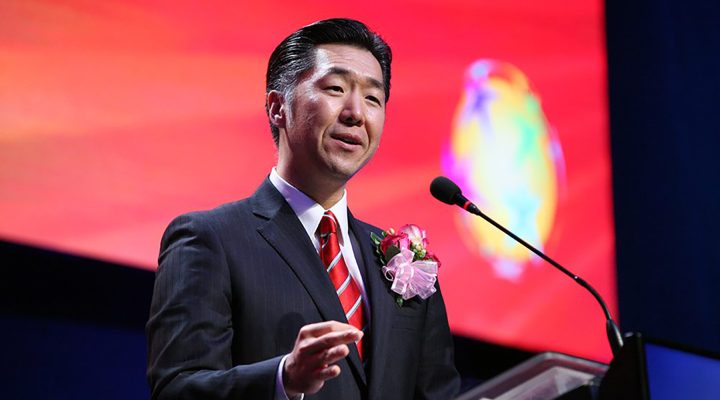
On Feb. 11, the District of Columbia Court of Appeals will hear a largely unknown case that has potential nationwide influence on the legal doctrine of “ecclesial abstention.”
For decades, this legal doctrine has shielded courts from adjudicating cases deemed to be about the inner workings of churches. This is based on the First Amendment’s protections against government interfering with the “free exercise” of religion. As a result, for example, courts typically will not intervene in employment disputes within churches.
But The Family Federation for World Peace and Unification International v. Hyun Jin “Preston” Moon pushes that distinction to a possible breaking point.
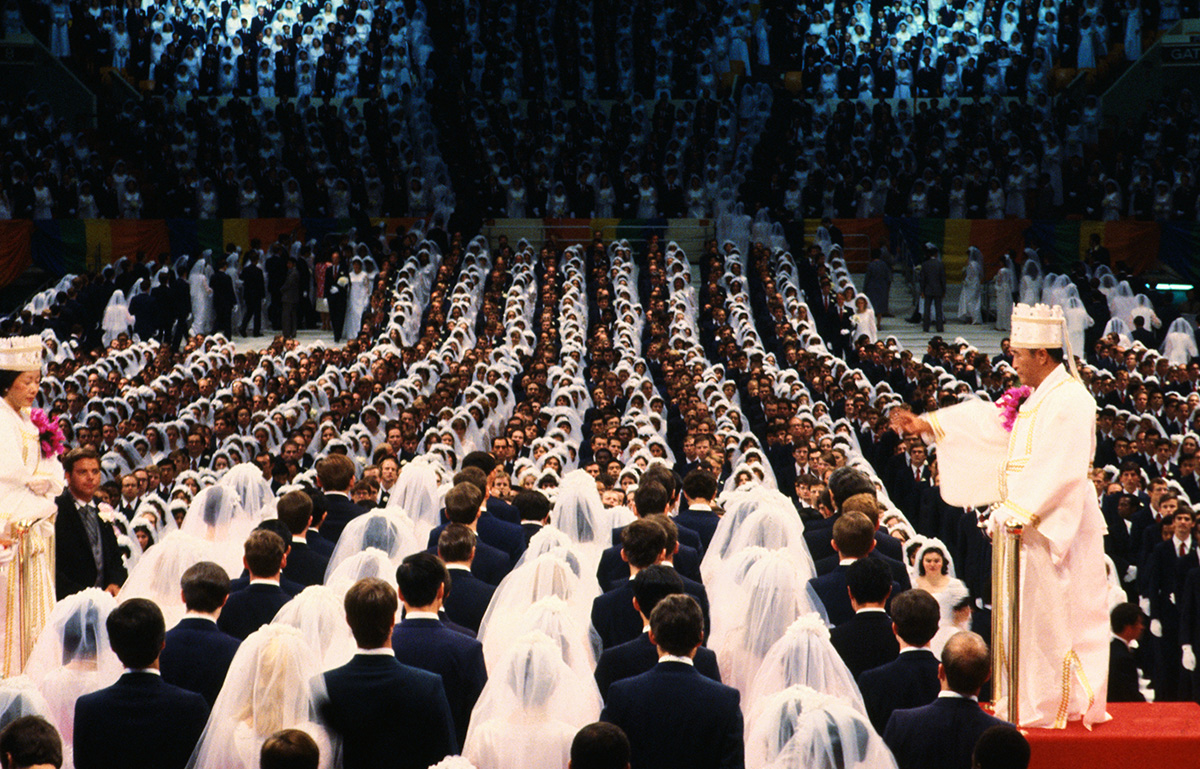
View inside Madison Square Garden July 1, 1982, as 22,000 couples of Sun Myung Moon’s Unification Church are wed en masse. (Getty Images)
At least three iterations of this case have been tied up in the court system for more than decade, bounced around in disagreements over whether courts had legal standing to get involved. The latest hearing is an appeal from a 2023 ruling in the District of Columbia Superior Court.
Plaintiffs in the case, which include the body previously known colloquially as the Unification Church, seek to recover damages from a son of the religious group’s founder, Sun Myung Moon. That son, Hyun Jin “Preston” Moon, is accused of siphoning off $3 billion in church assets for personal use.
The Unification Church was founded in 1954 as the Holy Spirit Association for the Unification of World Christianity and now goes by the name Family Federation for World Peace and Unification.
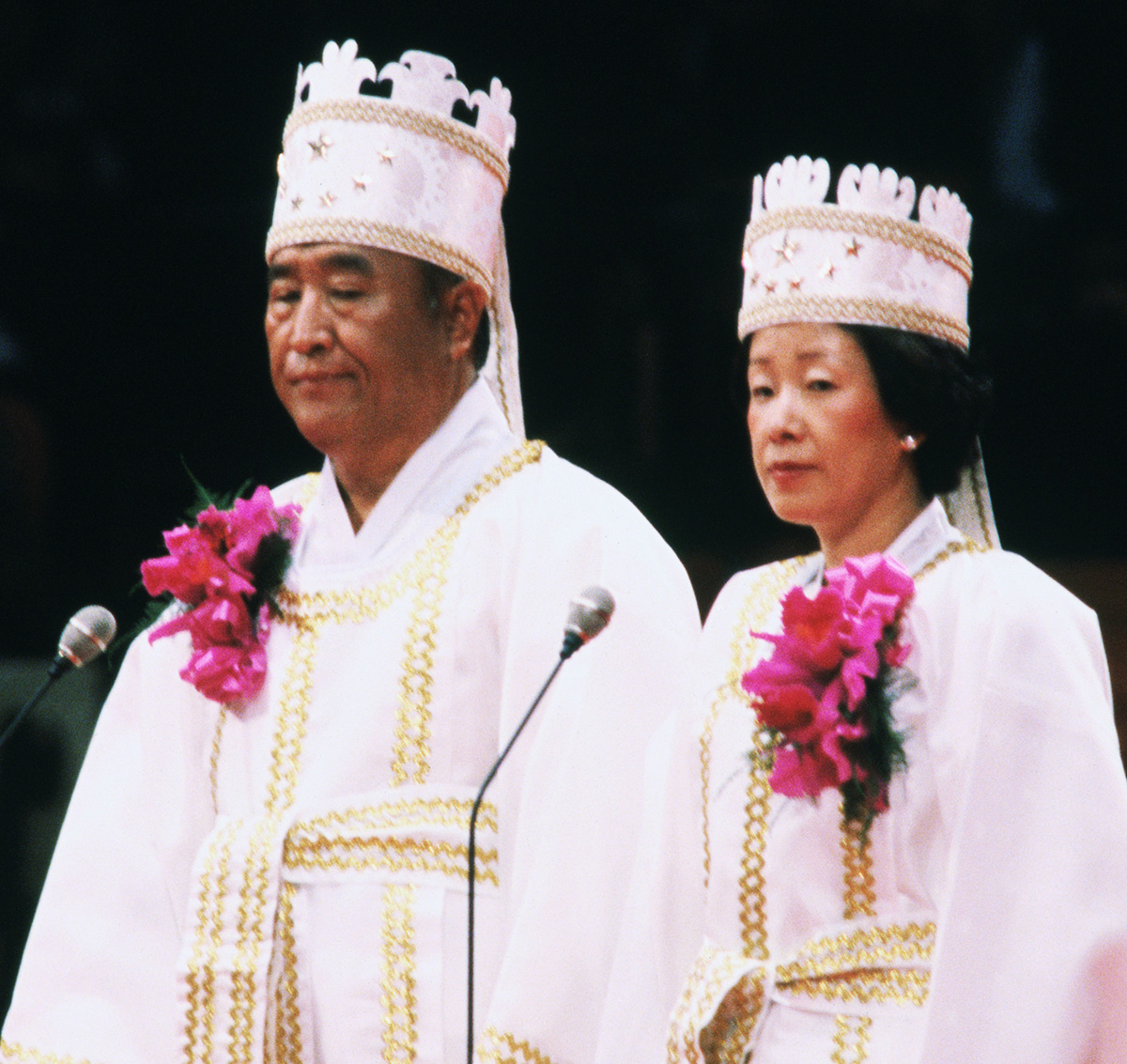
Sun Myung Moon’ and his wife, Hak Ja Han Moon, at Madison Square Garden mass wedding in 1982. (Getty Images)
Its founder was Sun Myung Moon (1920- 2012) who was born in Korea and later emigrated to the United States. The Unification Church is a religious group outside mainstream Christianity. Over time, Moon’s religious group accumulated significant wealth.
In the late 1990s, Sun Myung Moon appointed Preston Moon to leadership positions in the church, including a 2006 appointment as president and chairman of the Unification Church International. Later, the elder Moon said he had lost confidence in his son’s leadership and instructed him to resign from his positions.
Preston Moon did not resign but instead, according to the plaintiffs in the case, “colluded with (others) to corruptly take control of the nonprofit’s board, changed the name to UCI to disassociate it from the Unification Church, and pillaged $3 billion worth of church assets for personal gain.”
The legal action against Preston Moon began while his father was still alive and was, in fact, directed by his father. The defendant’s mother remains a leader in the church and is among those seeking justice against her son.
Were this about a family business, courts would have weighed the evidence and the paper trail of the assets to determine whether fraud had been committed. But because these financial transactions happened in a church, courts have been reticent to dig into the merits of the case.
According to the latest legal complaint:
“First, the trial court refused to adjudicate the self-dealing and contract claims on the merits, even though these claims do not concern disputes over religious leadership, faith or doctrine. They involve property claims and actions, not beliefs, which could and should have been adjudicated on remand based on neutral principles of fiduciary and contract law. This court should reverse on these grounds alone.
“Second, the trial court failed to decide whether an exception to religious abstention based on fraud, collusion or corruption exists. By failing to answer this question, the trial court in effect handed defendants absolute immunity for misconduct for which everyone else in civil society must be accountable.”
“The trial court in effect handed defendants absolute immunity for misconduct for which everyone else in civil society must be accountable.”
The court filing also claims: “Defendants’ successful manipulation of the religious abstention doctrine sets a dangerous precedent that will encourage others to follow Preston Moon’s stratagem of concealing secular wrongdoing behind a religious smokescreen. If not reversed, the trial court’s rulings will encourage bad actors to fraudulently misappropriate assets from religious organizations with impunity by manufacturing defenses sounding in religious conflicts.”
Among those siding with the plaintiffs in this case is a coalition of groups that advocate on behalf of victims of clergy sexual abuse, including Child USA, Survivors Network of those Abused by Priests, and Zero Abuse Project.
Their amicus brief filed with the court states: “The autonomy theory being proposed by defendants argues in favor of letting purported religious organizations manage their problems internally, without legal or judicial oversight, regardless of the harm that has or will result from their actions. At one time courts blindly accepted these broad First Amendment claims without consideration as to the broader social implications.
“For too long, the failure to adjudicate claims where religion was superficially involved enabled institutional bad actors to seek shelter from the very laws that were designed to deter their harmful activities. The Catholic Church’s clergy abuse era is strong testimony to the cost to society of religious institutions that seek to relegate themselves to the private sphere, where unchecked, they may harm untold numbers and obstruct the administration of justice.”
Their brief continues: “Today, courts recognize in more meaningful ways that the First Amendment is not a shield behind which religious adherents can escape liability for social wrongs they committed. The distinguishing and pervasive facts about sexual abuse across the country have changed the law’s perspective on the range of religious freedom. It is no longer an open question whether purported religious institutions should be governed by the laws that govern everyone else in civil society, if it ever was; it is a proven necessity.”
The brief concludes: “As courts across the country have done in child sexual abuse cases, this court should reject defendants’ claim that purported religious organizations are immune from judicial oversight and ultimately legal liability under the First Amendment for their actions that cause harm to third parties.”
Related articles:
Tennessee appeals court rules against SBC in anonymous accusation of sexual abuse
McRaney hearing explores whether there are any times courts may decide ‘religious’ matters