



In January, several bills were proposed across different states relating to child sexual abuse — many addressing statutes of limitations, nondisclosure agreements or settlement payouts. Legislators said they hope these changes will make it easier for child sexual abuse victims to seek justice in civil courts.
Multiple bills already were proposed in January relating to child sexual abuse cases, in Texas and Missouri. By the end of the month, two additional bills were proposed in Texas, and six more in Missouri. These new pieces of legislation deal with similar legal arguments as the previous bills.
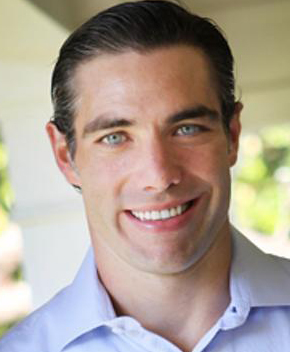
Morgan Meyer
HJR-120, by Texas Rep. Morgan Meyer was filed Jan. 22. The bill proposes a constitutional amendment allowing for ex post facto (retroactive) laws to be upheld in civil cases of child sexual abuse.
A day prior, Missouri Sen. Brad Hudson filed SJR-51, which proposes an amendment to the Missouri Constitution that would allow ex post facto laws to be “enacted only as to child sexual abuse claims.” On Jan. 30, Missouri Rep. Cameron Parker also filed HJR-79 proposing the same constitutional amendment.
These bills are similar to HJR-58, which was filed by Missouri Rep. Brian Seitz earlier in the month.
On the same day as HJR-120 was filed, Rep. Meyer also filed HB-2022 in Texas, proposing elimination of limitation periods for child sexual abuse survivors seeking to bring civil cases for injuries related to experiences of child sexual abuse. The current statute of limitations for these cases in Texas is 30 years after the day of the cause of action.
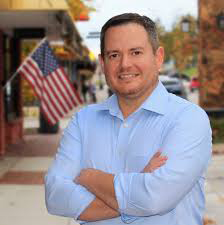
Brad Hudson
In Missouri, Sen. Hudson filed SB-589 and Rep. Parker filed HB-1132, which also seek to eliminate the statute of limitations in child sexual abuse cases. In Missouri, the current statute of limitations for abuse survivors is 10 years after they turn 21, or after they “reasonably should have discovered” their abuse-related injuries.
Sen. Hudson and Rep. Parker also filed bills relating to the use of nondisclosure agreements in child sexual abuse cases. Hudson’s bill — SB-590 — proposes NDAs “made by any party to a CSA action” cannot be used in a judicial dispute involving CSA allegations. This would make NDAs void for the purposes of the relevant litigation in these cases. Similarly, Parker’s bill — HB-1131 —proposes that NDAs that conceal relevant details relating to claims of child sexual abuse be deemed “void and unenforceable,” although information concerning survivors’ personal identities may remain confidential to the public.
These proposals are similar to HB-709 filed earlier in January by Rep. Seitz, which aims to prevent the misuse of NDAs in abuse cases.
But Missouri and Texas aren’t the only states looking into child sexual abuse litigation.
On Jan. 31, the North Carolina Supreme Court voted to uphold the SAFE Child Act, signed into law by then-Gov. Roy Cooper in 2019. The act provided a look-back window for child sexual abuse survivors that took place from January 2020 until December 2021 and allowed those who had otherwise aged out of the state’s statute of limitations an opportunity to bring up a civil case against their perpetrators.
The act also established a longer statute of limitations for child sexual abuse survivors, giving them until their 28th birthday to file claims against their abuser, and making other provisions for protecting children in North Carolina from sexual harm.
Lawmakers recently challenged the act due to its inclusion of the lookback window, which some argued violated the state’s constitutional protections for those facing claims.
Lawmakers recently challenged the act due to its inclusion of the look-back window, which some argued violated the state’s constitutional protections for those facing claims.
On Jan. 29, Arkansas senators unanimously approved SB-13. The bill proposes an amendment concerning the laws through which civil actions are brought by “certain victims of sexual abuse” against their perpetrators, including provisions that protect monetary awards provided to survivors, as well as an expansion of the statute of limitations for child sexual abuse survivors.
Finally, in Florida and Utah, multiple bills were proposed calling for enhanced penalties or sentencing requirements for perpetrators of sex crimes, especially in cases of child sexual abuse.
In Florida, Rep. Anna Paulina Luna re-introduced three pieces of legislation Jan. 14: the Holding Child Predators Accountable Act, the No Repeat Child Sex Offenders Act and the Justice for Rape Survivors Act. All three acts aim to increase the penalties imposed upon perpetrators of sex crimes in certain situations in which child sex crimes often occur.
In Utah, Rep. Ryan Wilcox proposed HB-148 to enhance the sentencing of child sexual abuse perpetrators in situations where abuse has occurred and the perpetrator either traveled more than 50 miles or paid a child to travel more than 50 miles to commit the crime.
Related articles:
Three new bills related to child sex crimes filed in Missouri
Two new bills related to child sex crimes filed in Texas