



The church is bursting at the seams with a fresh vigor for aligning our faith with how we use money — especially how we invest money. New organizations are springing up and thriving, many books are being written, podcasts are proliferating. The question is: Why it is happening now. Why not earlier?
The split between the sacred and the secular — the notion rooted in the ancient Gnostic vision that God cares only about spiritual things — has been tempting the church since its birth. Business long has been seen as something that happens outside the church, is less important than the real work of “full-time ministers,” but is laudatory to the extent it funds evangelism and missions. This well-worn misunderstanding is beginning to fade as more people are awakening to the importance of using all our money in a way consistent with the biblical vision of shalom.
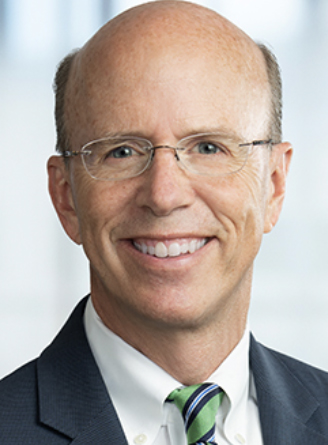
Bill Wichterman
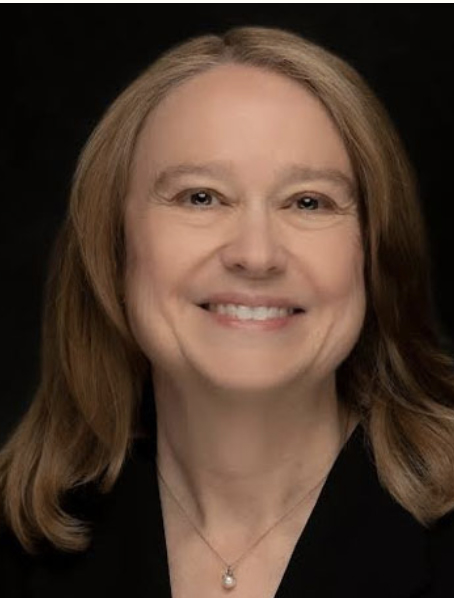
Dana Wichterman
“Shalom” is a Hebrew word usually translated as “peace,” but its meaning extends beyond just the absence of conflict. Shalom also implies wholeness, completeness, prosperity and well-being. God’s economy is one of shalom, and it’s our job to seek to establish it on earth.
But why now? Why didn’t this happen earlier? We’re not sure, nor is Mats Tunehag, who coined the phrase “business as mission” 30 years ago and has labored in the vineyards for a long time.
“I don’t know why it’s happening now, but I’m thrilled to see it,” Mats told us at a Faith Driven Entrepreneur meeting in the Washington, D.C., area recently.
There’s still a long way to go before the movement to see the lordship of Christ reign over all financial dealings is fixed in the church’s firmament. It will be necessary to convince pastors to stop using terms like “full-time Christian ministry” and similar terms that suggest everyone else is in part-time ministry. The same is true of the word “worship” when it’s used exclusively to mean time spent singing praise choruses and hymns and not also referring to the work week — all of which should be worship to the extent it’s done for God’s glory.
In the kingdom of God, there should be no part of our day that is not ministry. We’re never off duty. Every breath we take should be under the Lord’s command. Getting upstream to the seminaries will be important, exploding the compartmentalized theology elevating church work and diminishing all other work.
One of the first steps we took was hiring a financial advisor who was certified as a “kingdom advisor,” thereby giving us tools and wisdom to integrate our finances with our faith. This need not be an all-or-nothing approach. Begin with a single step.
In time, you’ll find you will think of your entire financial picture as a giant love letter to God. When you’re making decisions about spending, saving, giving and investing, you’ll see it as just as much worship and ministry as your Bible reading and other church activities. You’ll see that you’re praising the Lord with all your life.
Dana and Bill Wichterman are co-authors of Stewards Not Owners to be published March 11. This column is an excerpt from that book, published here with permission. Dana Wichterman spent her career as an international economic development professional at the U.S. Agency for International Development. She currently works at Impact Foundation, helping Christians deploy their charitable capital for impact investing. She holds a master of arts degree in International Affairs from Columbia University. Bill Wichterman has spent his career in law and politics, including as special assistant to the president in the White House. He holds a master of arts degree in political theory from The Catholic University of America.