

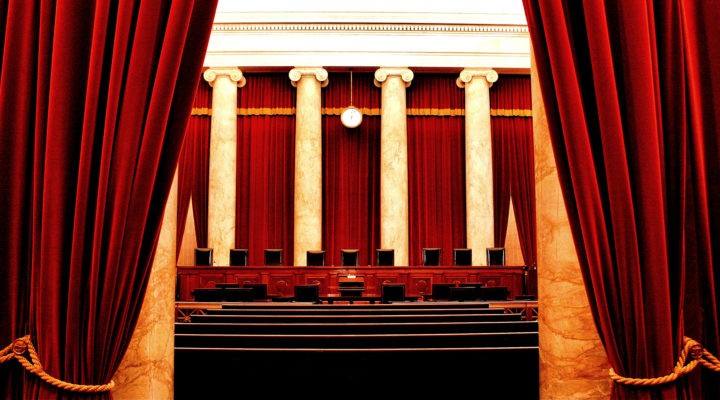

Capital punishment opponents are rejoicing after the U.S. Supreme Court ruled that Oklahoma Death Row inmate Richard Glossip must receive a new trial in the 1997 killing of a motel owner in Oklahoma City.
But death penalty abolitionists also acknowledge the rare victory comes nowhere near signaling an impending end to state-sponsored executions.
“Glossip’s case is a powerful reminder that the death penalty is a system fraught with bias and irreversible consequences,” said Jamila Hodge, chief executive officer of Equal Justice USA.
“This victory is bittersweet, as it raises a troubling question: How many others remain trapped in similar situations, without national attention, legal support or a fair opportunity to prove their innocence?”
“How many others remain trapped in similar situations, without national attention, legal support or a fair opportunity to prove their innocence?”
Justices ruled 5-3 to throw out Glossip’s conviction after determining prosecutors proceeded with his case despite knowing it was based on false evidence.
“The prosecution violated its constitutional obligation to correct false testimony,” Justice Sonia Sotomayor wrote for the majority in the Feb. 25 decision joined by Chief Justice John Roberts and justices Elena Kagan, Brett Kavanaugh and Ketanji Brown Jackson. Justice Amy Coney Barrett wrote an opinion partially dissenting and concurring, while Justices Clarence Thomas and Samuel Alito dissented. Justice Neil Gorsuch did not participate in the ruling.
“Here, this court has jurisdiction and a Napue violation occurred. Thus, Glossip is entitled to a new trial,” Sotomayor wrote in reference to Napue v. Illinois, a 1959 Supreme Court ruling requiring prosecutors to correct false testimony when they become aware of it.
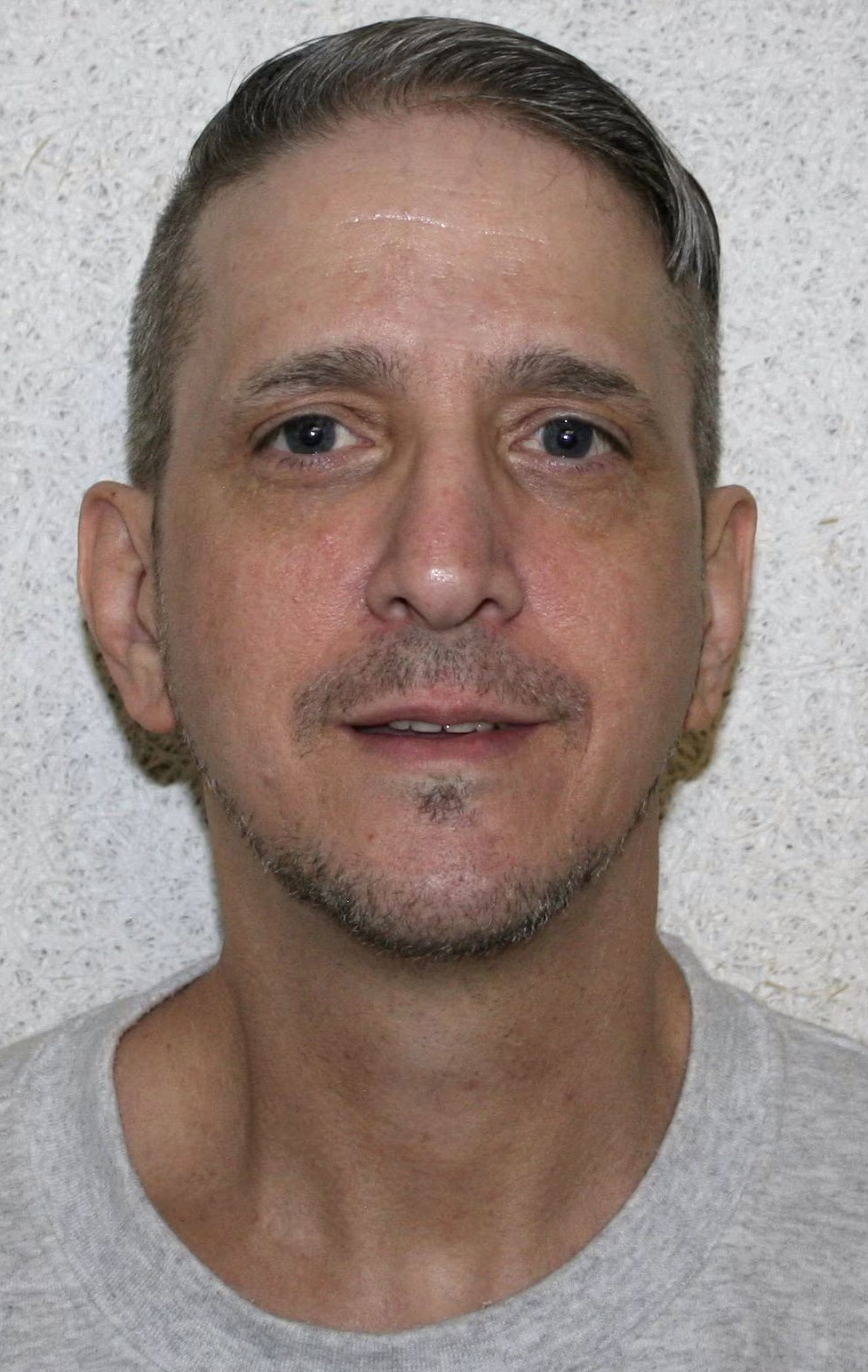
Richard Glossip
Glossip never was accused of committing the murder of Barry Van Treese, his employer at the motel. Motel handyman Justin Sneed admitted to killing Van Treese but claimed Glossip paid him to do it. In exchange for his confession, prosecutors did not seek the death penalty against Sneed but did for Glossip.
Having steadfastly maintained his innocence throughout his time on Death Row, Glossip returned to court in 2023 with new information showing prosecutors knew Sneed falsely claimed he was not being treated for mental illness at the time, and nevertheless allowed him to testify to that effect.
Oklahoma Attorney General Gentner Drummond eventually joined Glossip’s demand for a new trial, but the appeal to the state’s Court of Criminal Appeals and plea for clemency to the Pardon and Parole Board both were unsuccessful. Gov. Kevin Stitt twice postponed Glossip’s execution dates in 2022.
News of that development generated widespread attention, with celebrities, Oklahoma legislators and religious leaders speaking up on his behalf and urging Stitt to delay a May 18, 2023, execution date. The U.S. Supreme Court intervened with an emergency hold on the execution to consider the case.
Its subsequent ruling concluded the death penalty may have been avoided if Glossip’s jurors had known Sneed’s testimony was false. The court had jurisdiction in the case because withholding evidence raises a constitutional due-process issue, Sotomayor added for the majority.
“The evidence likewise establishes that the prosecutors knew Sneed’s statements were false as he testified to them. The prosecution almost certainly had access to Sneed’s medical file through Sneed’s competency evaluation.”
In his dissent, Thomas said the due-process claim should have been rejected since Oklahoma’s criminal appeals court and parole board rejected the “patently immaterial testimony” about Sneed’s medical condition. “Because this court lacks the power to override these denials, that should have marked the end of the road for Glossip,” he said.
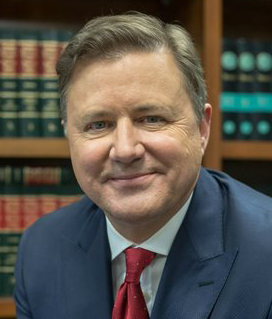
Genter Drummond
Attorney General Drummond said the high court decision validates the concerns he has had about Glossip’s prosecution: “Our justice system is greatly diminished when an individual is convicted without a fair trial, but today we can celebrate that a great injustice has been swept away.”
Now it’s time to get to work to see that task is accomplished, he added. “My office will thoroughly review the ruling, visit with the family members and determine the most appropriate course of action to ensure justice is secured for all involved. I am grateful the justices understood the gravity of the situation. I have long maintained that I do not believe Mr. Glossip is innocent, but it is now an undeniable fact that he did not receive a fair trial.”
Glossip attorney Don Knight expressed gratitude that a clear majority of justices held that prosecutors cannot withhold evidence from defense teams while witnesses lie in court, the Death Penalty Information Center reported. “Today was a victory for justice and fairness in our judicial system. Rich Glossip, who has maintained his innocence for 27 years, will now be given the chance to have the fair trial that he has always been denied.”
Don Heath, chair of the Oklahoma Coalition to Abolish the Death Penalty, also celebrated the court’s ruling: “The decision means prosecutors now have to decide whether to put Glossip on trial again. … This is wonderful news. The U.S. Supreme Court is still capable of doing the right thing.”
Oklahoma has a high profile and controversial history with the death penalty, one fraught with botched executions and numerous exonerations.
According to the Death Penalty Information Center, the state leads the nation in executions per capita, with 3,030 per 100,000 residents. Oklahoma currently has 32 Death Row inmates, including one woman, and it executed 123 prisoners from 1976 to 2023.
Related articles:
Oklahoma plans to execute a man who didn’t commit a murder
Faith leaders call for urgent opposition to Oklahoma plan to execute an inmate a month for two years
Momentum is building to stop an execution in Oklahoma