



The Trump administration’s efforts to deny legal services to unaccompanied migrant children and to target minors for deportation do not line up with the president’s stated concerns about the trafficking of minors, child protection advocates said during a virtual press briefing.
The administration’s first move came Feb. 18 when the U.S. Department of the Interior issued a stop-work order to legal groups that provide federally funded legal services to thousands of migrant children. While the order was rescinded Feb. 21, providers remain concerned the annual contract for funding may not be renewed by this month’s deadline.
A few days later, Reuters reported on a recent Immigration and Customs Enforcement memo detailing how unaccompanied immigrant children in the U.S. are to be tracked and sorted for eventual deportation.
Forcing unaccompanied minors to navigate the U.S. immigration system without representation, even without the threat of imminent deportation, would be traumatizing for them and for court officials involved in the process, experts said during the webinar.

Hardy Vieux
“These vulnerable children need lawyers so immigration courts can fairly and accurately determine whether these children can safely return to their countries of origin,” said Hardy Vieux, chief of staff for Kids In Need of Defense, or KIND, which sponsored the media briefing.
Attorneys also can help deported children access return-and-reintegration services enabling them to safely adapt to life in their home countries, he explained. “Access to lawyers helps protect unaccompanied children from trafficking and exploitation while helping the immigration system run more efficiently.”
Legal counsel for unaccompanied child migrants is required by a 2008 federal law combating human trafficking and recognizing the unique vulnerability and needs of unaccompanied migrant children.
But funding must be reauthorized annually, and no one really knows if the Trump administration will green light the legal services as required by the end of March, said Jennifer Podkul, chief of global policy and advocacy at KIND. “Are they going to renew it? Are they going to increase it so it matches the surge on the enforcement side? We don’t know. We certainly hope they will.”
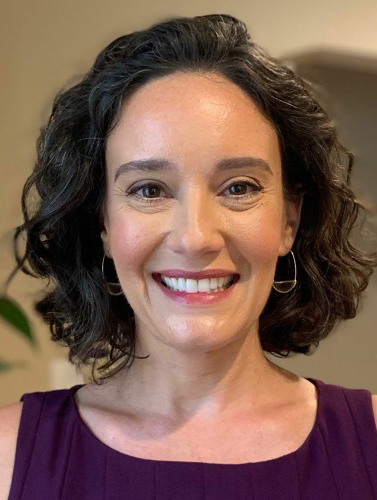
Jennifer Podkul
In fact, doing so would be in keeping with President Trump’s oft-stated concerns about human trafficking, a scourge that would undoubtedly increase without legal counsel for migrant children, Podkul added. “This administration has been very clear, even during their campaign, that they are very worried about this population and that they are worried about how they are at risk of exploitation and at risk of trafficking. So, we hope that they are also making the same connection about the importance of counsel.”
Rhetorically at least, Trump and his allies have claimed to be vigorously anti-trafficking. During the campaign, Trump falsely claimed President Joe Biden’s immigration stance was “pro-child trafficking” and he once proposed using the death penalty to punish human traffickers.
“When I am back in the White House, I will immediately end the Biden border nightmare that traffickers are using to exploit vulnerable women and children,” Trump said in a 2024 campaign video.
However, the Trump administration drew ire late last week for allowing accused human traffickers Andrew and Tristan Tate to return to the country.
On the first day of his presidency, Trump issued his “Securing our Borders” executive order specifically directing the attorney general to aggressively prosecute border-related crimes, “including the investigation and prosecution of offenses that involve human smuggling, human trafficking, child trafficking, and sex trafficking in the United States.”

Wendy Young
Failing to provide legal representation for children in the immigration system would endanger them and further slow the administration’s ongoing deportation process, KIND President Wendy Young said. “Attorneys for unaccompanied children are essential to driving efficiencies that are needed now more than ever in the face of the immigration court system’s nearly 4-million-case backlog.”
The service also helps the process operate more efficiently because “98% of children who are represented by lawyers appear for their hearings, helping ensure that these children remain within the US immigration system and in contact with the courts and ICE,” Young added.
Legal counsel will be even more important with ICE planning to track down and place unaccompanied minors in removal proceedings and expediting those with existing orders of removal, she said. “Access to legal services must ground any actions taken to implement this policy to ensure compliance with the law, the integrity and efficiency of the system, and the safety of the children who are affected.”
But with the memory of the temporary funding freeze still fresh, the legal advocacy community will have to wait on the administration’s next move, Young added.
“The unexpected reversal of the stop-work order only three days later was a tremendous relief, but the rollercoaster we experienced last week was also a stark reminder of the crucial role that the services supported by these resources play in keeping thousands of unaccompanied children safe.”
Related articles:
Now Trump administration is targeting immigrant children
Trump takes away legal representation for unaccompanied minor immigrants