

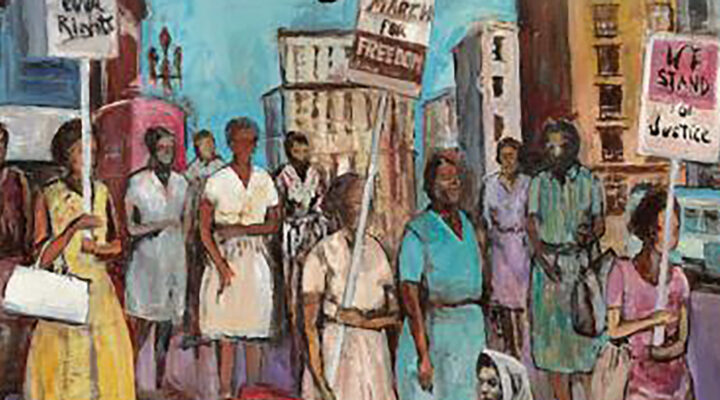
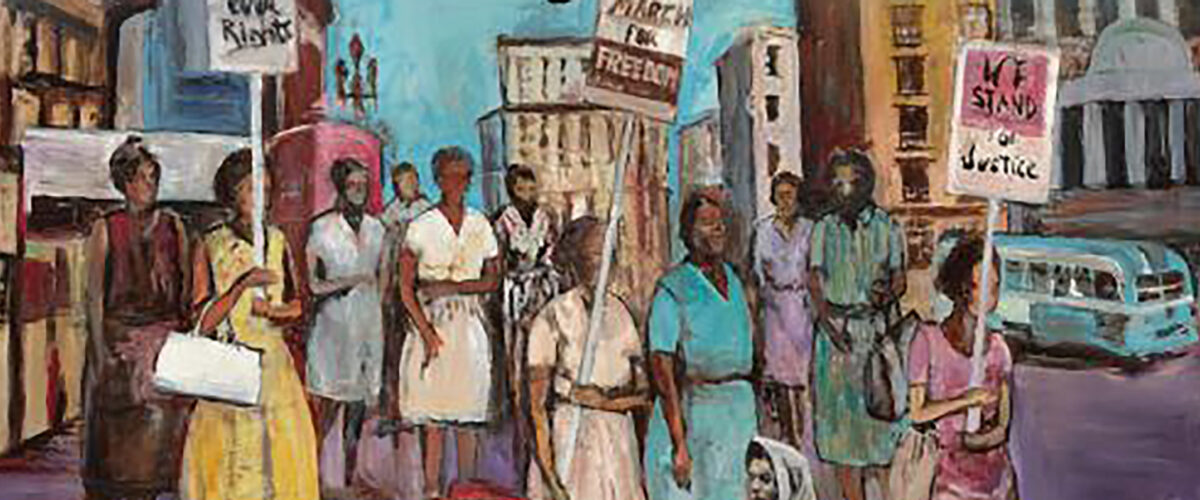
“Everyday women” of the Civil Rights Movement should inspire Christians today to become “courageous resisters,” according to AnneMarie Mingo.
She spoke during a March 18 webinar hosted by United Women in Faith, the worldwide women’s organization of The United Methodist Church. The event was titled, “A Call for Courageous Resisters and Moral Leaders.”
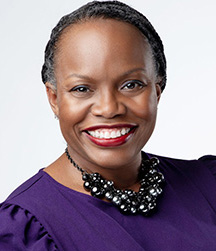
AnneMarie Mingo
Mingo opened the webinar with a recording of a song, “Certainly, Lord,” to illustrate how spirituals, gospel music, prayer and other practices encouraged and sustained Civil Rights-era activists. She published her findings in a recent book, Have You Got Good Religion? Black Women’s Faith, Courage, and Moral Leadership in the Civil Rights Movement.
Mingo described how her mother and aunt participated in sit-ins in her hometown of Tallahassee, Fla., even though they weren’t officially part of organizations such as the NAACP or the Southern Christian Leadership Conference.
“How did the women and young people who didn’t have the protection of the civil rights groups have the courage to go out every day and do sit-ins?” Mingo asked. She said their participation stemmed from African Americans’ “legacy of activism, self-determination and lived theology” arising from slavery’s abolition through the era of official discrimination known as Jim Crow laws.
Mingo cited three virtues of resistance she found from research.
“Freedom faith.” Mingo described this virtue as “understanding the importance of the work they were doing and believing God would be there with them when they experienced the repercussions of their actions, such as registering to vote.”
“They needed ‘freedom faith’ to get churches to open doors for (civil rights) meetings,” she said. “They might be bombed. They might be burned. The churches could have had their insurance revoked or their mortgage called in.”
Personal dangers were even more daunting, the professor continued: “Signing up to vote revealed where they lived; they could have been beaten, their homes bombed, their families threatened.”
Cultivating courageous resistance. Civil rights era activists took small steps in their resistance to build up their strength for larger actions, said the scholar. Again, spiritual practices supported their actions, such as adding verses like “We are not afraid” to the familiar protest song “We Shall Overcome.”
Theo-moral imagination. Mingo described the third virtue of courageous resistance as “theo-moral imagination” or “sight-imagination-vision,” meaning seeing injustice, imagining overcoming it and envisioning a better world.
“Jesus said he came to bring us abundant life, but life can’t be abundant with the type of injustices we have,” Mingo said.
The professor said the times especially call for white Christians to act. “White folks can talk to white folks (about racism and injustice) in ways people of color can’t.”