


A proposed military parade on June 14 tied to President Donald Trump’s 79th birthday and the 250th anniversary of the U.S. Army has sparked real backlash.
While Trump allies frame it as a patriotic celebration, critics from across the political spectrum see it as an expensive vanity project that misuses military resources and contradicts holistic American democratic values.
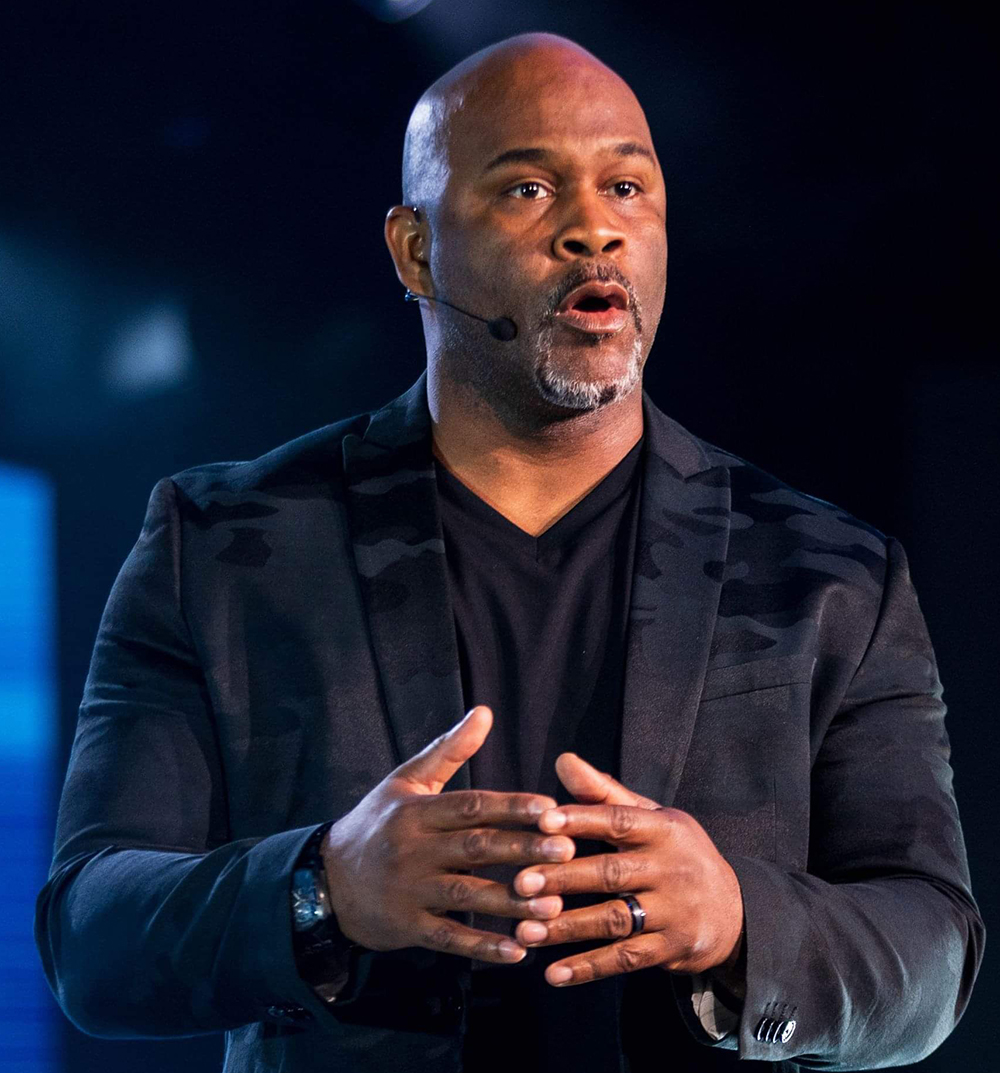
Edmond W. Davis
Many now urge the Republican Party to opt instead for a formal White House toast or celebratory reception, avoiding the political, financial and ethical pitfalls of a full-scale military parade.
Such a better alternative would cost less than 1% of a military parade, uphold democratic traditions and bipartisanship, avoid public backlash and political divisiveness, celebrate Trump in a respectful, nondisruptive manner.
June 14 already is Flag Day as first recognized by President Woodrow Wilson in 1916. Trump would win if he recognizes Flag Day first, then his birthday thereafter. He is the oldest of the so-called “draft-dodging” or service-less presidents.
Here are 20 reasons why a military parade for a living and sitting president is bad for America:
- Misuse of military resources. It diverts personnel, equipment and time from national security duties.
- Cost. With an estimated cost of more than $90 million, these funds could be redirected to homeless veterans, education or disaster relief.
- City infrastructure damage, Tanks and heavy machinery can destroy roads and underground systems.
- Authoritarian optics. This would mirror regimes like North Korea, Russia and China, not democracies.
- Low public approval. Most Americans reject using the military for personal glorification.
- Veterans want support, not spectacle. Many vets say they’d rather see improved VA services than pageantry.
- Politicizing the armed forces. Such an event risks eroding the military’s apolitical stance.
- Disruption to D.C. residents. Parades bring road closures, noise and public access restrictions.
- Historically reserved for wars, not birthdays. Past military parades honored major victories, not individuals.
- GOP silence despite bipartisan concerns. Many Republicans remain quiet, although prominent voices have objected.
- $90 million could fund health care or housing. That sum could provide free medical coverage for 200,000 veterans or house more than 5,000 homeless Americans, including those who served.
- The Constitution warns against leader worship. America’s founders feared the very idea of military glorification of one man.
- Too close to Juneteenth. June 14 is uncomfortably close to Juneteenth (June 19), the federal holiday marking the end of slavery and America’s most recently added federal holiday since MLK Day. A militarized Trump celebration risks undermining that historic moment of freedom and reconciliation.
- Military readiness compromised. Parade rehearsals pull active-duty forces from essential training and missions.
- Trump’s record of disrespecting the military. Trump infamously referred to fallen U.S. soldiers as “suckers” and “losers” — raising moral concerns about parading troops in his honor. Additionally, he did not serve.
- Creates a domestic security nightmare. Large crowds, visible military assets and political tension make this a high-risk target for terrorism or civil unrest.
- Damages America’s global image. Allied democracies like Canada, Germany and the UK avoid such militarized birthday celebrations. This would reflect poorly on U.S. leadership traditions.
- Education and youth programs are in crisis. Redirecting $90 million to STEM education, school lunches or teacher salaries would serve the public more effectively — in particular underserved communities.
- Taxpayer burden for a 4-mile parade route. Logistical costs alone — police, barricades, cleanup — could exceed $12 million, even before accounting for federal expenditures.
- No modern president ever has done this for himself. Even Ronald Reagan, a fervent military supporter, never organized such a display. The last major military parade (1991) honored the Gulf War victory, not a birthday.
Edmond W. Davis is a journalist, social historian, Tuskegee Airmen global scholar and emotional intelligence expert.
Related articles:
A nation transformed in 70 days: The good, the bad and the retribution
This is a three-alarm fire for freedom of speech | Opinion by Mark Wingfield
Trump’s disruptions are ‘necessary for progress,’ Mohler tells The New Yorker