

This April, a month meant to honor and uplift the voices of autistic individuals, the community in Pocatello, Idaho, finds itself grieving the tragic and preventable death of 17-year-old Victor Perez.
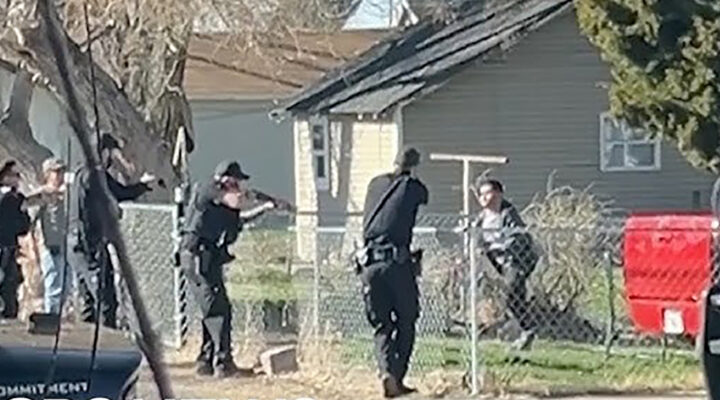
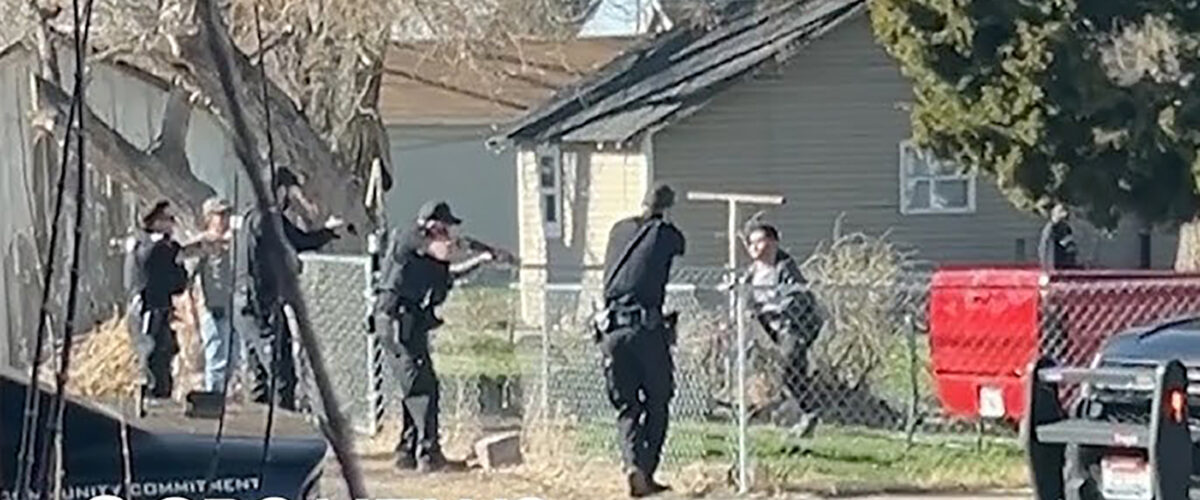
Victor, a nonverbal autistic teen with cerebral palsy, was shot multiple times by police after officers responded to a call at his home. Within just 12 seconds of arriving on the scene, officers opened fire.
Rosaly Guzman
Victor was not an aggressor. He was a young man living with profound disabilities, a person who experienced the world in ways most of us never will understand. He needed patience, understanding and support, not bullets.
He died days later, after enduring multiple surgeries and the amputation of his leg. His family, already worn down by the daily struggles of caregiving in a system that offers little support, made the impossible decision to take him off life support.
This tragedy is not just about one incident. It is a reflection of our deep national failure to protect and include people with disabilities, particularly those with autism, in our systems, our communities and our hearts.
To understand the magnitude of this loss, we must understand what it means to live in Victor’s world and in the world of so many like him. Autistic individuals, especially those who are nonverbal or have additional disabilities, often live in a state of constant insecurity. Their families face endless battles: for therapy, for accommodations, for medical care, for education, for safety.
“Without proper training, law enforcement often interprets these behaviors as defiance or aggression.”
Public funding for disability services has been slashed repeatedly in recent years. Under current policies, many state programs are underfunded or face cuts that make already scarce services even harder to access. Wait lists for crucial therapies and behavioral interventions can stretch for months, even years. Some families never get help at all. Respite care is rare. Housing options for adults with developmental disabilities are limited and often inadequate. Emergency services are frequently untrained in how to respond to autistic individuals, especially during moments of distress.
These gaps in care and support don’t just strain families, they endanger lives.
Victor’s death was not the result of one bad decision, but of many systemic failures. When police responded to the call at Victor’s home, they were not equipped with the training necessary to understand his behavior or de-escalate the situation. Witnesses say Victor had limited mobility and was unlikely to pose a threat. And yet, the decision to shoot him was made almost immediately.
This kind of response is all too common. Studies show people with disabilities are more likely to be victims of police violence. Autistic individuals, in particular, may not respond to commands in the expected ways. They may not make eye contact. They may stim, shut down or freeze. They may not even be able to speak. Without proper training, law enforcement often interprets these behaviors as defiance or aggression, with devastating consequences.
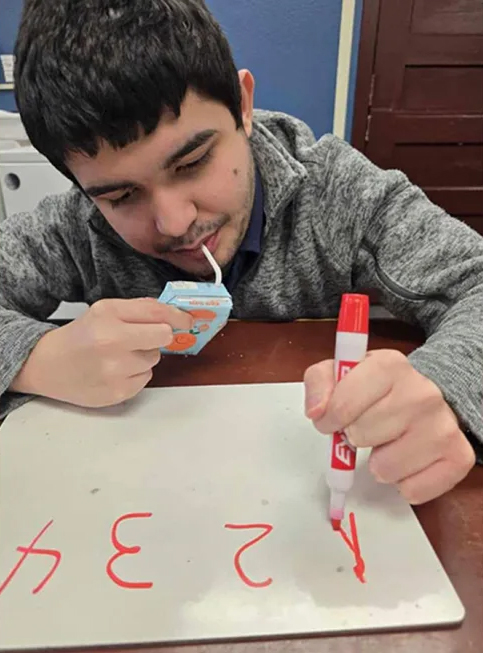
Image of Victor Perez provided by Ana Vasquez
If we want to prevent the next Victor, then training must go far beyond a one-time course or online module. It must be comprehensive, mandatory and led by experts in developmental disabilities and neurodiversity. It must be paired with a broader reevaluation of how, and when, police are involved in crisis situations. Mental health professionals and trained disability advocates should be first responders in these cases, not officers with guns.
It’s easy to treat Victor’s death as a tragic outlier, but the truth is harder. Victor lived in a society that too often turns away from people like him, from their needs, their pain and even their joy. Autistic individuals are regularly excluded from schools, workplaces, houses of worship and community spaces. Their families are left to shoulder a crushing burden, often in silence.
This silence is by design. It is the result of a political and social system that has deprioritized disability services, stripped funding from crucial programs and failed to treat neurodivergent individuals as full members of our society. And it is perpetuated every time we choose comfort over justice, or awareness over action.
April often is filled with platitudes about understanding and acceptance. But if we are truly committed to those ideals, then we must confront the hard truths about what inclusion really requires. It requires investment in services, in training, in access and in community infrastructure. It requires confronting ableism, not just in our systems but in our hearts.
Faith communities have a vital role to play, and many are not yet ready.
Churches often say, “All are welcome,” but few have taken the steps necessary to welcome autistic individuals in a meaningful way. Are sermons too loud? Are there sensory-friendly spaces? Do we offer alternative ways to communicate and engage during worship? Have we trained volunteers and clergy in neurodiversity? The spiritual and emotional needs of disabled individuals are no less valid than those of anyone else, but how often are they recognized?
We cannot claim to be a moral or compassionate society, or a truly faithful one, if we do not create spaces where people like Victor belong. Not just as guests, but as members. Not just as people in need, but as people with gifts to share. The church, like all of us, must do better.
Victor Perez did not die because he was autistic. He died because his community, our society, did not know how to care for him. And while the officers involved must be held accountable, the rest of us must be too.
We owe Victor justice. But more than that, we owe him change.
We owe every autistic child and adult a world that sees them, values them and protects them. A world where difference is not punished with violence. A world where no family has to fear calling for help. To all those “Victors” among us: We see you, we honor you, we will do better!
Let this April be more than a month of awareness. Let it be the beginning of a reckoning.
Rosaly Guzman is a teacher, speaker and life coach. She holds a master’s degree in theology and is working on a doctoral degree in ministry. She serves at Crosslife Church in Oviedo, Fla,, in the women’s ministry.