

Amid a plethora of culture war issues dividing America today, book bans are among the most visible and controversial.
From Secretary of Defense Pete Hegseth banning books at the U.S. Naval Academy to parents attempting to ban books in public school libraries, book bans are in the news constantly.
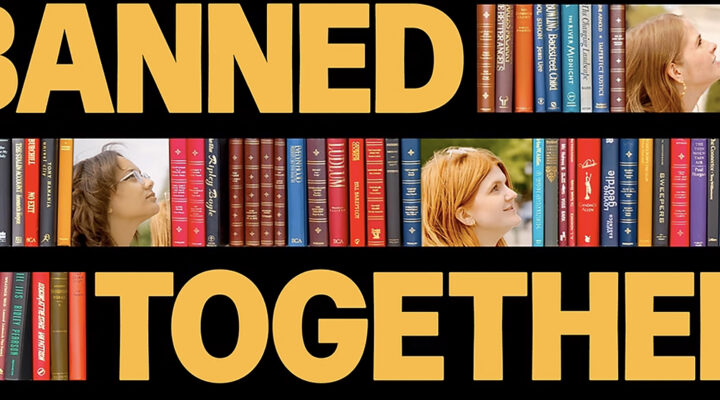
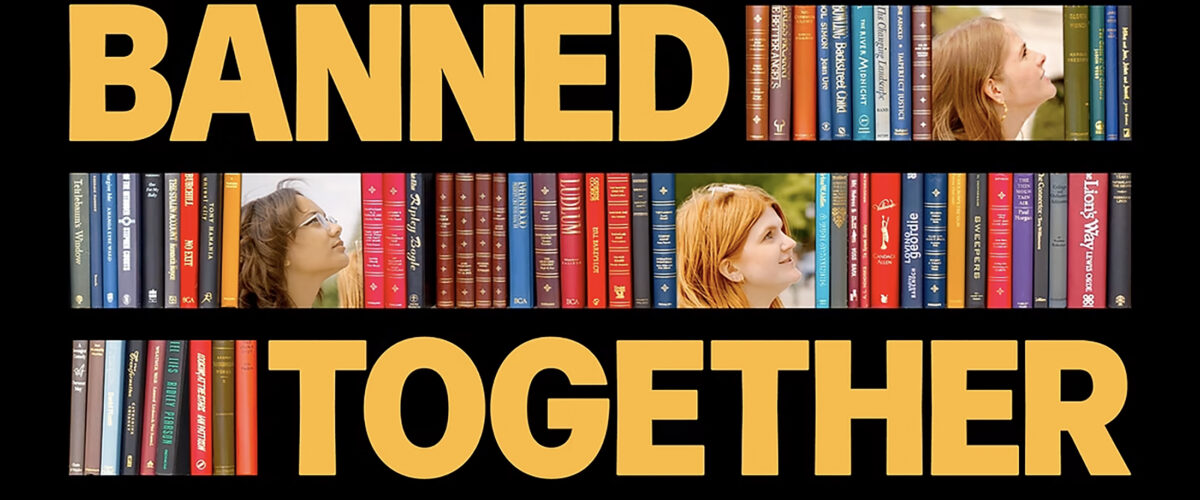
Banned Together, a new documentary distributed by Kanopy, tackles some of the toughest questions about book bans through the perspective of a group of high school students from Beaufort County, S.C., who formed a book club dedicated to reading diverse literature and stood up in school board meetings to oppose efforts to censor books in 2022.
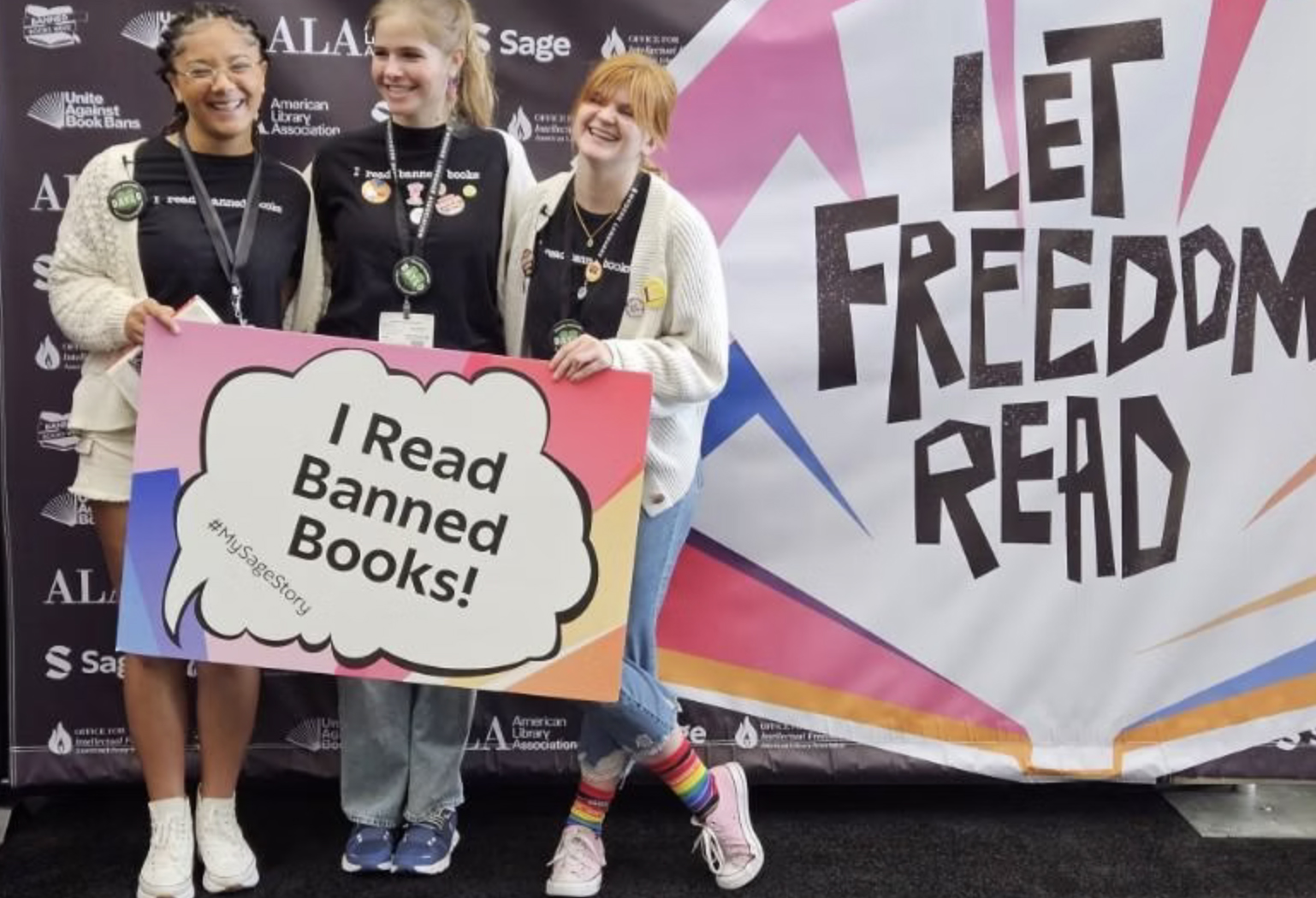 While some of the real-life questions about what books are appropriate for children and teens are nuanced and involve sexuality, not all of these books can be written off as “obscene and pornographic.” Often, the books in question have to do with racism, identity, diversity, abuse, violence, drug use, alcohol use, school shootings and social justice, and are conflated with age-inappropriate materials or contested in high schools where such material may be contextually appropriate.
Based on complaints from a handful of parents, the Beaufort School Board named a review committee to examine 96 questionable books. The committee returned 91 of them to the library while permanently banning only six of them. Critics of the books and the process accused the board of being “stacked with educators” and threatened legal reprisal.
Banned Together tells this story in an aggressively outspoken documentary format, attempting to expose the “stifling” hypocrisies and injustices of book bans with the backing of civil rights leaders and organizations like the ACLU and Southern Poverty Law Center.
Through a series of interviews with these thinkers and politicians, the students directly challenge what they see as a growing culture of censorship and backward thinking, while further alleging the movement to pull these books is cynical and oppressive.
The film alleges many of these book banning measures are sponsored by large fearmongering “dark money” national organizations like Moms for Liberty and the Heritage Foundation, or by politicians like Florida Gov. Ron DeSantis — all with their own partisan agendas.
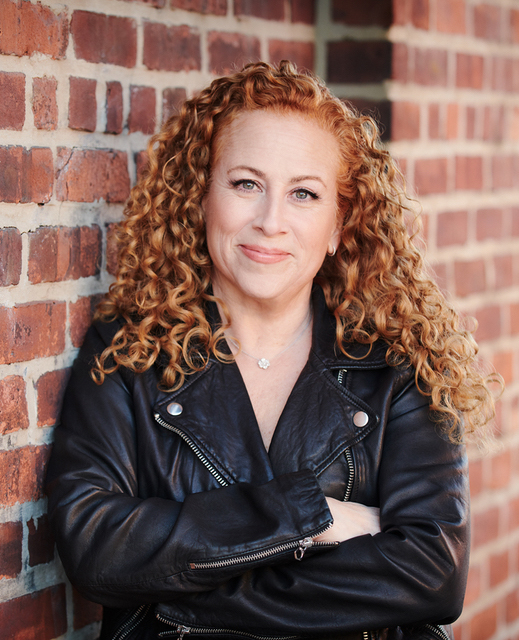
Jodi Picoult
The teenagers themselves are certainly outspoken in their desire to challenge these narratives. One of them says, “There had been a board meeting where I said, ‘Twelve kids a day die, and not a single one of those kids died from a book. All of them were killed by a gun. That is the leading cause of death, and we’re focusing on a book?’”
Activist and author Jodi Picoult echoes this in her interview, saying, “When you ban Nineteen Minutes in a school, you are telling me that kids are not ready for that content even though they begin active shooter drills at age 5 in that school district. All I’m going to tell you is that if you’re banning the books about school shootings and not regulating the guns that cause them, you have to consider your priorities. And I can tell you my book has never killed a kid.”
“If you’re banning the books about school shootings and not regulating the guns that cause them, you have to consider your priorities.”
The students use their time both to push for a radical open inquiry and the underlying social justice causes the “banned books” in question are pushing for. They aren’t shy about their underlying support for the causes in question, nor are they shy about depicting the kind of virulent harassment and reprisal those in their cause have received from their critics.
The movie ends with the conclusion of the Beaufort committee’s investigation but makes it clear little has changed. Many of the books in question are still facing legal challenges from the South Carolina government, while the students themselves have gone on to found new chapters of their literature book club to continue their activism. The underlying issue remains heated.
Honestly, I find the “banned books” label to be tiresome, at least in the way it is used as a marketing tool. When I go to Barnes and Noble and see The Diary of Anne Frank or To Kill a Mockingbird listed as “banned books,” it feels exploitative — as though some school district banning these popular books will make me buy books I already read in junior high.
This feels like free publicity. Even some conservative authors are complaining about their books being pulled from libraries at the moment, claiming a library in New York pulled their children’s books.
However, there is more to be said beyond the buzzwords of “book burning” and “Critical Race Theory.” Banned Together is correct that the entire controversy isn’t just about surface issues. This is a debate that goes much deeper.
Parents certainly can contest the books their children are assigned, but the act of requesting library books or school curriculum being changed raises further concerns too — about who is controlling access to literature for their kids and others. Debates like these open up discussions about who has the power to control our narratives and what a just and educated society looks like.
As Banned Together makes clear, the underlying question at play is impacted by an important question: Who gets to decide what children read? Are partisan elected officials like DeSantis or Hegseth in charge of your kid’s education, or are your teachers and education experts making those decisions? Who do we really trust to protect our kids?
Tyler Hummel is a Wisconsin-based freelance critic and journalist, a member of the Music City Film Critics Association, a regular film and literature contributor at Geeks Under Grace, and was the 2021 College Fix Fellow at Main Street Nashville.