

The process of choosing a successor for the late Pope Francis will certainly include maneuvering by conservative and progressive elements in the Catholic Church, but with little if any of the zero-sum scheming common among bitterly divided U.S. denominations, Vatican observers say.
Francis’ April 21 death at age 88 initiates a process used since the 13th century to elect popes, namely a sequestered gathering of the College of Cardinals known as a Conclave, which will begin May 7. During a session that could last days, 133 of the college’s 252 members will cast votes until a two-thirds majority is reached.
“Their often-passionate differences should not be compared to those of the ‘conservative resurgence’ that splintered the Southern Baptist Convention.”
And while reports already are surfacing about some prelates in the college jockeying for position ahead of the gathering, their often-passionate differences should not be compared to those of the “conservative resurgence” that splintered the Southern Baptist Convention or to the more recent split in the United Methodist Church over LGBTQ issues, said Elizabeth Newman, co-chair of the Baptist-Catholic dialogues convened by Baptist World Alliance and the Pontifical Council for Promoting Christian Unity.
“What most of us want to do when looking at these deliberations is to impose our political categories and perspectives onto the Catholic Church, so that becomes the only framework through which these events are interpreted,” she said.
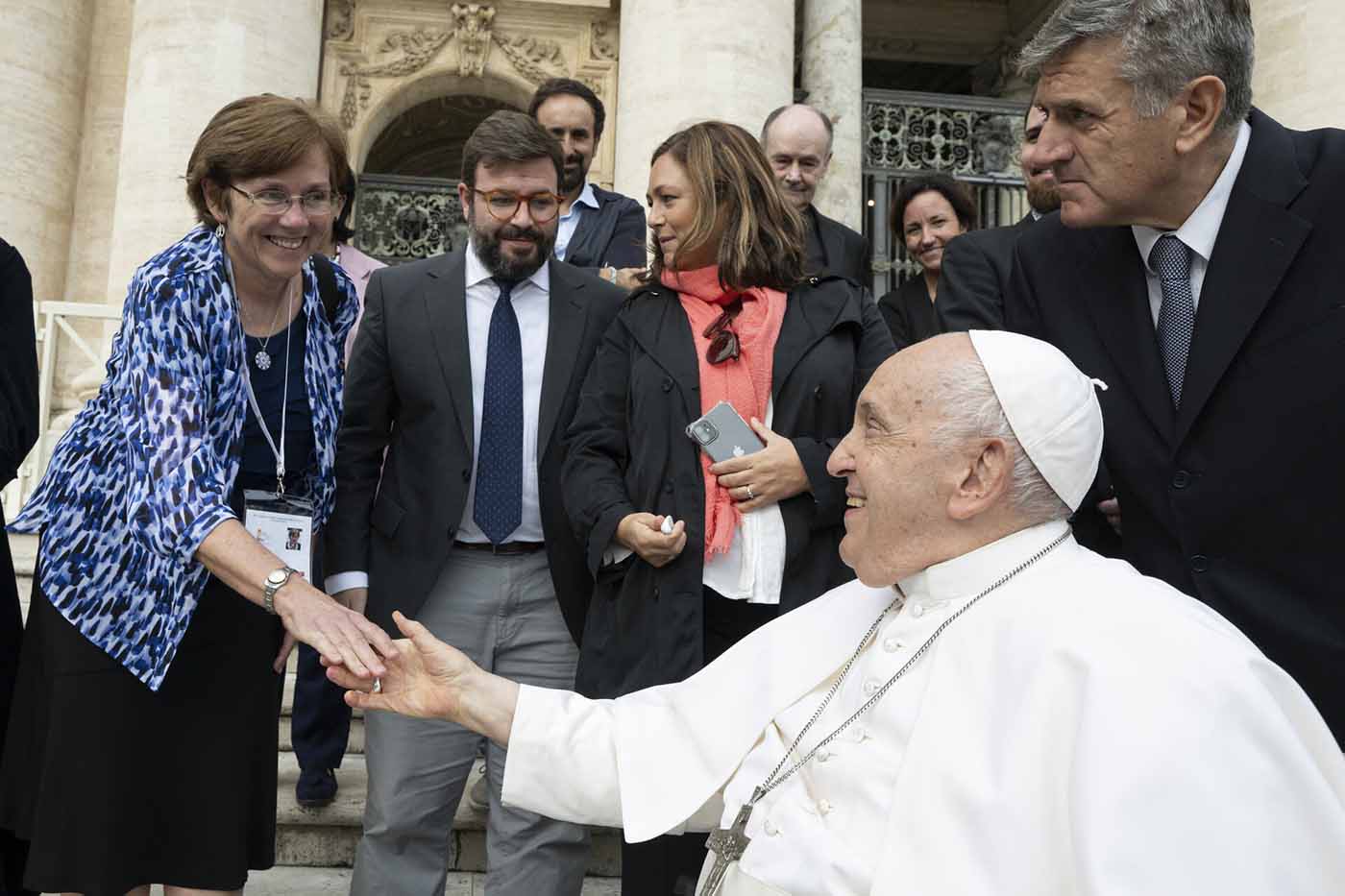
Baptist theologian Elizabeth Newman greets Pope Francis at the Vatican.
Newman, a theologian and ethicist who also serves as chair of the Baptist World Alliance Commission on Baptist Doctrine and Christian Unity, was the Baptist fraternal delegate to the Vatican’s multi-year international Synod on Synodality designed to create a more inclusive church. She also is author of Living the Liturgy: Enlarging the Baptist Vision.
Analysis of the Conclave frequently oversimplifies the process by reducing it to a conservative-versus-progressive tussle over issues like women’s ordination and how to implement Vatican II, an approach that overlooks the focus on poverty, immigration and evangelism many of the voting cardinals will bring from around the world, she said.
Another common pitfall is to boil Conclave discussions down to a choice between a “progressive” to continue Francis’ reforms or a “traditionalist” like his predecessor, Pope Benedict XVI. “What’s more helpful is to try to understand the continuity between Francis and Benedict while appreciating the distinctive gifts each brought to the papacy and to the church.”
Yet there are cardinals within the college who appear to echo the strident conservatism some American Methodists and Baptists would find familiar, she acknowledged. For example, German Cardinal Gerhard Müller, a strident critic of Francis, recently warned a split could occur if an “orthodox” pope is not elected, the Catholic Herald reported.
“‘I am praying that the Holy Spirit will illuminate the cardinals, because a heretic pope who changes every day depending on what the mass media is saying would be catastrophic,’” Müller declared.
American Cardinal Raymond Burke also was at odds with Francis and his approach to the papacy, accusing the pope in 2023 of promoting “an agenda that is more political and human than ecclesial and divine,” the Associated Press reported. Francis subsequently censured the prelate for being “a source of ‘disunity.’”
“There are progressive voices and more traditional voices in the church, and they are at odds with each other, and you will see that.”
Hungarian Cardinal Peter Erdo, “is a leading candidate for those looking for a pontiff who can clamp down on what they view to be Francis’ haphazard approach to doctrinal questions,” according to the National Catholic Reporter.
No doubt these and other traditionalists will try to convince Conclave voters to elect a leader more focused on church structure and doctrine, said Curtis Freeman, director of the Baptist House of Studies and professor of theology and Baptist studies at Duke University Divinity School.
“There are progressive voices and more traditional voices in the church, and they are at odds with each other, and you will see that” moving toward the gathering, said Freeman, a participant in the second and third phases of the Baptist-Catholic dialogues and author of Contesting Catholicity: Theology for Other Baptists.
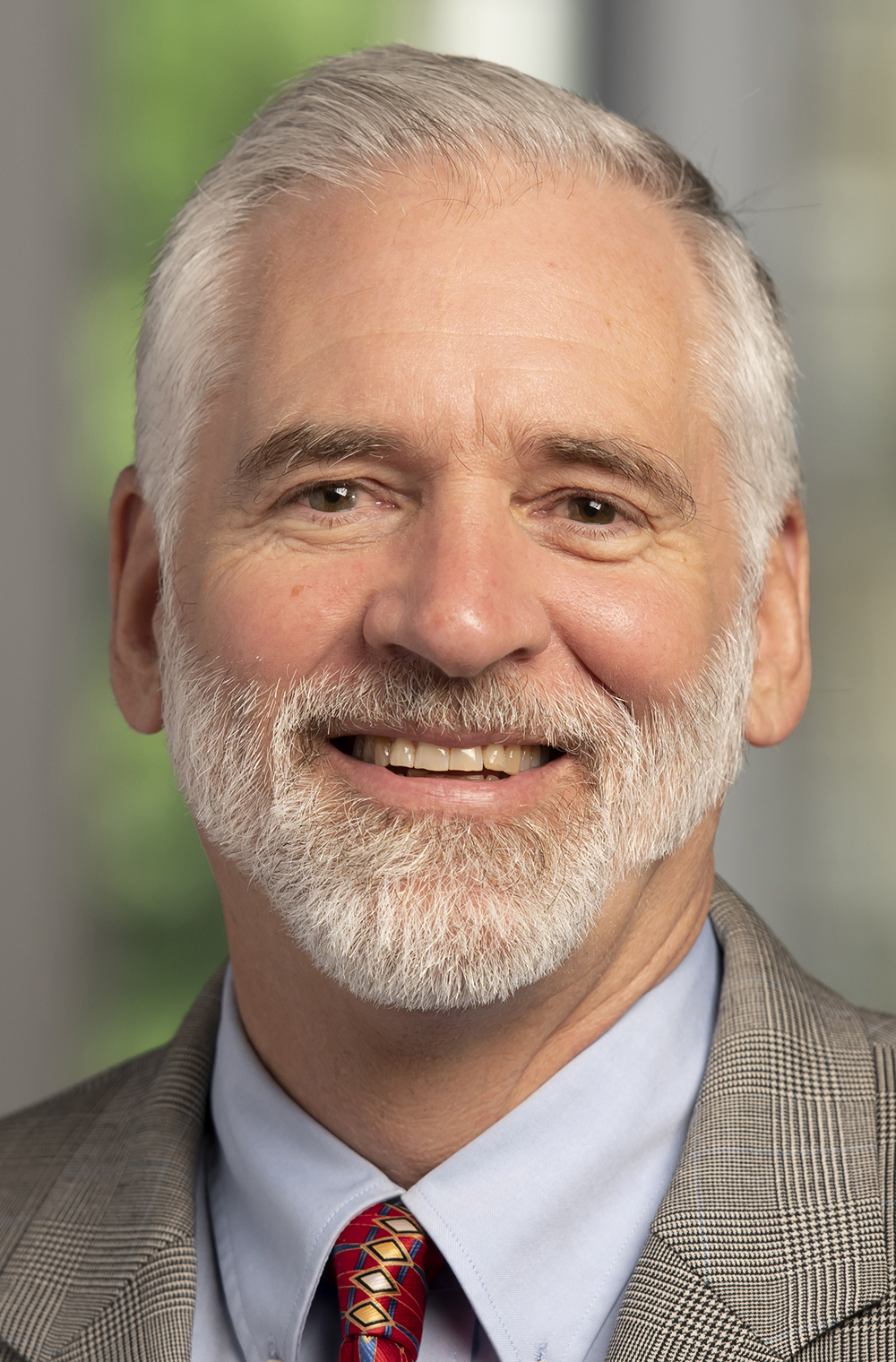
Curtis Freeman
Duke Divinity School faculty
Francis rubbed a lot of people the wrong way during his 12-year papacy as he “faced a huge headwind” of controversies and other challenges. He had to contend with a massive Vatican banking scandal, clergy sexual abuse and, more recently, accusations from U.S. Vice President JD Vance, a Catholic convert, that the Catholic Church is profit driven in its efforts to serve immigrants and refugees.
The pontiff also was known for valuing ecumenism, outreach to immigrants and refugees, support for the environment and marginalized people, for an attempt to make the priesthood more personal and pastoral and for some level of approval of blessings — but not marriage — for same-sex couples.
These and other positions didn’t sit well with many traditionalists, Freeman added. “Some would say Francis went too far in updating the church, and others would say he didn’t go far enough. And there was a whole group charging that Francis was a heretic.”
But the comparisons to American religious divisions begin to breakdown when applied to the Conclave, which Freeman compared to Baptist church meetings in which congregations seek guidance from the Holy Spirit.
“It’s not just that everybody gets a vote, and it’s not just that it’s democratic, but the idea is to listen to one another as if Christ was speaking to us as we try to discern what direction to go,” he said. “The Conclave is that kind of thing — they are going to be in conversation with each other and listening to cardinals from around the world expressing their needs.”
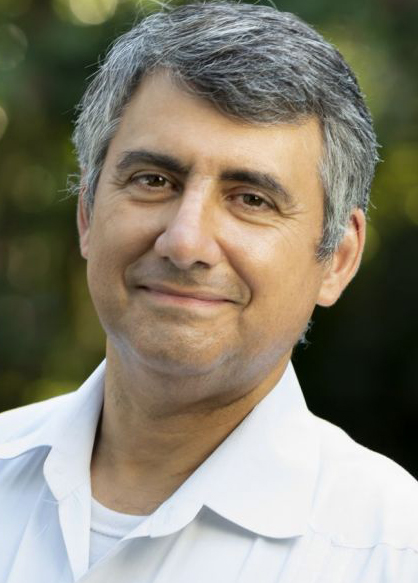
Peter Casarella
The fact Francis appointed 108 of the 133 cardinals eligible to vote does guarantee a like-minded successor will be selected, said Peter Casarella, professor of theology at Duke Divinity School, a participant in the Baptist-Catholic dialogues and co-editor of Pope Francis and The Search for God in America: The Significance of His Early Visits to the Americas.
“It is weighted toward Francis, but that does not mean a cardinal appointed by Francis will necessarily vote for” someone with the same approach to the papacy, he said.
That unpredictability is due in part from the voters and potential candidates Francis appointed from sub-Saharan Africa, Latin America and the Asia-Pacific — more than any of his predecessors.
While Europe still leads in the number of cardinals, the geographic diversification under Francis may widen conversations to include evangelization and social justice in addition to doctrinal formation and internal church management, Casarella said. “The differences between Europe and the Global South are not the same as the differences between liberals and conservatives. They may even opt for an African or Asian pope.”
What the cardinals won’t do is conduct business in a way that reflects American politics, he added.
“It’s true there are progressives and traditionalists, but the Vatican isn’t divided between pro-Trump and pro-Biden. I don’t think the voting of conclave will break down into two groups like that.”
Related articles:
Remembering the ‘People’s Pope’ | Analysis by Steven Harmon
Al Mohler vs. Pope Francis on human nature
Can Pope Francis help rescue us from Christian nationalism? | Analysis by Rodney Kennedy