


In today’s increasingly polarized political climate, one fact is undeniable: Black women — despite being the most educated demographic in America — are being strategically and systematically undermined, erased and excluded.
This is not a conspiracy theory. It is an observable pattern. It’s happening in real time and in real offices — whether in Washington, D.C., Silicon Valley or the deep South.
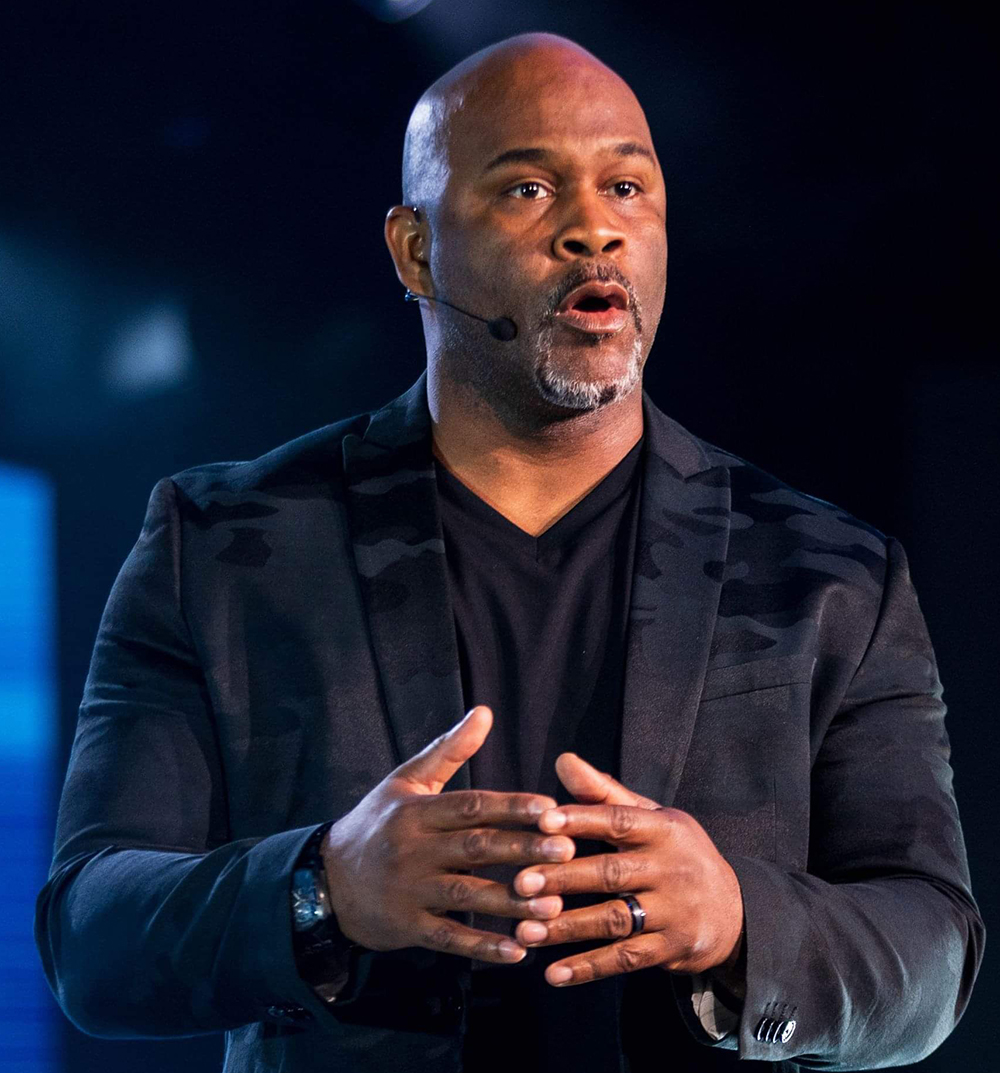
Edmond W. Davis
We recently witnessed the powerful and principled resignation of Alondra Nelson, former White House policy adviser and esteemed scholar, from both the National Science Board and the Library of Congress Scholars Council. Her statement, published in TIME magazine May 13, warned of “powers that seek to limit knowledge and silence voice.”
Her words weren’t a whisper. They were a scream from inside the very institutions meant to protect discovery, democracy and public trust.
But even more unsettling is the quiet dismissal of Carla Hayden, the first African American and the first woman to serve as librarian of Congress. Appointed by President Obama and widely respected across disciplines, Hayden’s term ended with minimal explanation, despite no public scandal or performance failure. Instead, her departure aligns with a trend: Qualified Black women being removed from leadership not because they’re unfit but because they’re not welcome.
This is not an anomaly. This is a coordinated rollback.
Data from Creative Investment Research show more than 100,000 Black women lost jobs in April 2025 alone. The unemployment rate for Black women climbed from 5.1% to 6.1%, even as other demographics remained stable or improved. That’s not just a labor market shift, it’s a blaring warning siren.
Economist William Michael Cunningham attributes these losses to the “anti-Black focus of the new administration,” while Andre M. Perry of the Brookings Institution points out that layoffs, anti-DEI sentiment and economic policy shifts are converging to suffocate Black women economically and emotionally.
We must stop viewing this through the narrow lens of “diversity and inclusion.” This is not about checking boxes. This is about belonging — the deep, structural right to exist, lead and thrive in every space where Black women have earned their place.
“It’s about being told, again and again, that no matter your credentials, your skin color and gender always will override your achievements.”
Black women are among the fastest-growing groups in higher education. They:
- Earn a higher percentage of associate, bachelor’s and advanced degrees than Black men and, in some areas, at comparable or higher rates than white women.
- They are underpaid and under-promoted at every level.
- A Black woman with a master’s degree earns less on average than a white man with only a bachelor’s degree.
- Black women earn just 66 to 68 cents for every dollar a white man earns.
Even in fields where they dominate numerically, Black women are often excluded from decision-making roles. They are underrepresented in executive leadership, overlooked for promotions, undervalued during contract negotiations.
As a social historian and socioemotional intelligence expert, I argue this isn’t just about labor — it’s about long-term emotional injury. It’s about being told, again and again, that no matter your credentials, your skin color and gender always will override your achievements in the eyes of power.
It’s the exhaustion of being invited to the table, only to have your voice ignored. It’s the pain of being hired for change, only to be punished when you attempt it. It’s the trauma of having to prove you belong in rooms you helped build.
This war against Black women won’t end with panel discussions or hashtags. It requires bold structural realignment centered not around DEI slogans, but acknowledgment of value, belonging, and lived excellence. Here’s what that looks like:
- Belonging before branding: Stop hiring Black women as symbols. Invest in them as leaders with influence, authority and autonomy.
- Equity audits: Require institutions and companies to conduct transparent reviews of hiring, promotions and compensation, especially at senior levels.
- Support for Black women entrepreneurs: Expand access to capital, government contracts and partnerships. Economic freedom is a pillar of agency.
- Pay equity based on credentials, not optics: Compensation should reflect qualifications, not assumptions about race or gender.
- Sponsorship over mentorship: Black women don’t just need advice; they need advocates in power who open doors and protect their positions.
- Narrative shift: Stop framing Black women as “resilient survivors.” They are not here to survive institutions, they are here to lead them.
To policymakers and gatekeepers undermining Black women’s presence: This isn’t about political correctness; it’s about ethical correctness. Black women are not a threat to your culture. They are the backbone of your progress.
To institutions: You cannot claim to be inclusive while silencing those who challenge your inertia.
And to Black women in this moment: We see you. We honor your brilliance. And we will not be silent while systems pretend your value is negotiable.
Edmond W. Davis is a social historian, award-winning professor, Amazon No. 1 new release author, international speaker and founder of the National HBCU Black Wall Street Career Fest. His research and work focus on history, socioemotional intelligence and public service leadership. His writings span Africa, Asia, Europe and the U.S.