

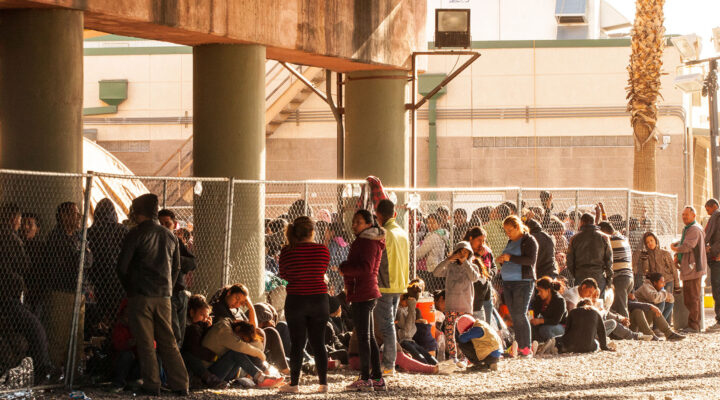
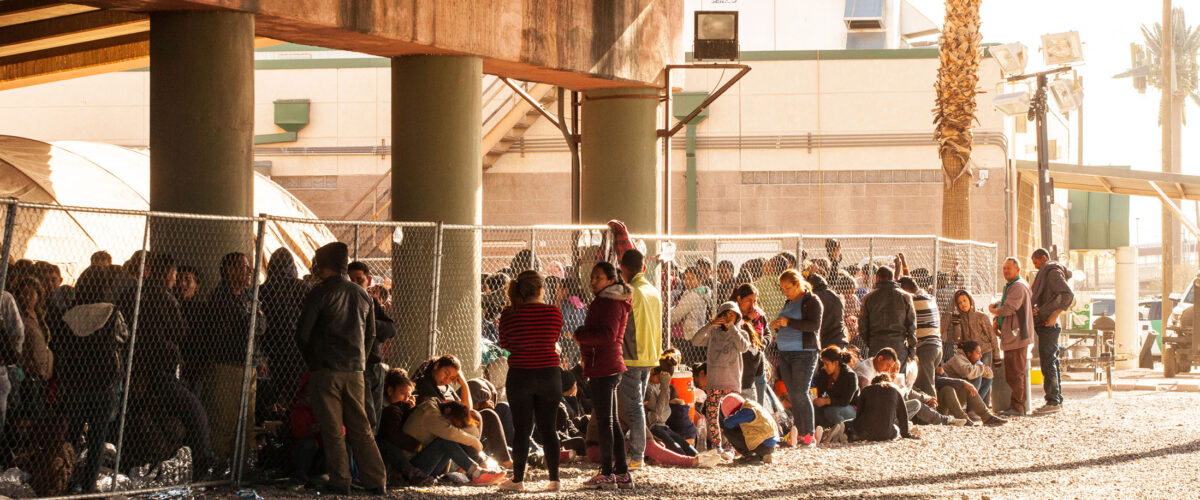
When Cristina Rathbone decided to head to the U.S.-Mexico border in 2019, she believed God was calling her there.
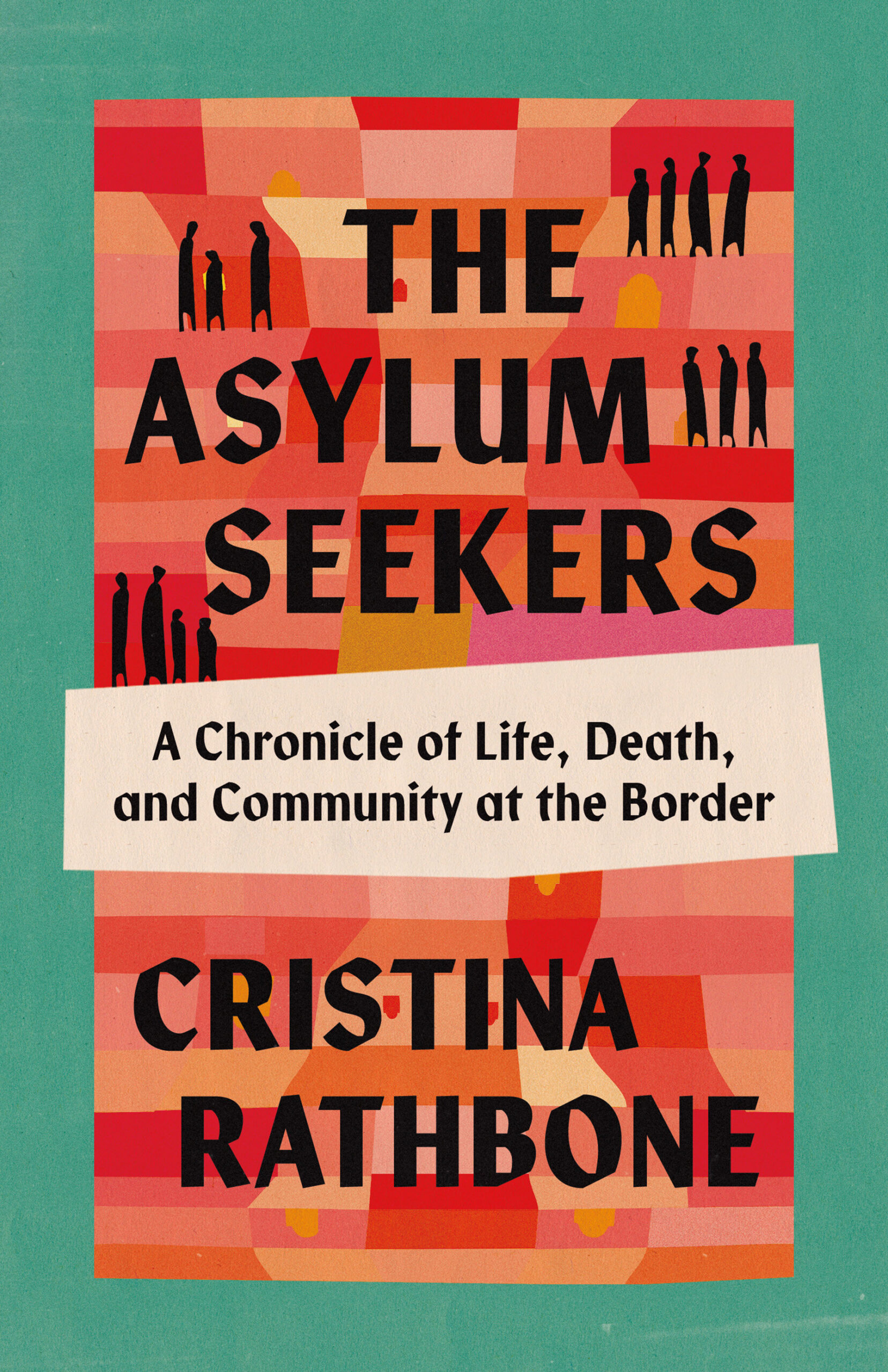
What happened there is told in her new book, The Asylum Seekers.
Working with marginalized people was nothing new to her.
“I was leaving the community of homeless folks I had birthed in downtown Boston in a Christian community named Manor,” she explained in an interview. “I was leaving because as the founder, you have to leave after a certain period of time in order for the community to flourish.

Cristina Rathbone
“I’m half Cuban. My mother’s family — all of them, every single person apart from me and my two brothers who are younger — arrived in this country with one suitcase, having fled their country, their home, their culture, their people, their places, and they were given a chance to make a new life here in the States.”
In modern-day America, “people exactly like my family were not being given that chance,” she said. Which caused her to make a run to the border.
This was a biological calling and a spiritual calling — to find answers while doing ministry with people at the border.
She describes herself as someone who questions things, who challenges the status quo, who seeks to find ways to help others live their best lives.
“I felt compelled, biologically speaking, to go to the border and see whether there was anything we could do, as a person and as a U.S. passport holder, also as a priest and a representative of the Episcopal Church,” she said. “The homeless folks here in Boston taught me to listen and learn from the people, primarily affecting the migrants and asylum seekers themselves. I set off to do that, to listen and learn from them and then take it from there.”
She did that for a full year. Listening and learning and journaling.
“I came back just before the country was locked down with COVID,” she explained. “What allowed me to know I was supposed to stay in Juarez-El Paso was the arrival of the Mexican asylum seekers who began to create tent encampments at the foot of the three ports of entry in central Juarez. There was so much need that I knew that was where I had to stay.”
As she stayed, a range of emotions began to dwell inside her and challenge her.
“I worked with this community seven days a week,” she said. “The things I did were very small. I did what I could and offered who I am in order to be of assistance to them, particularly to the kids and to the leaders of the community who rose up from within the community itself. This also created ways for those at their peak of 500 people to remain safe. I got to know people because there I was all the time, all day, every day.”
Amid that kind of presence, she heard stories — lots of stories of the immigrants she was meeting and working with.
“I wrote the book originally in order to find words to share some of the experiences I’d had on the border because I just couldn’t really talk to anybody about anything that had gone on,” she explained. “I had been a journalist for many years before I was ordained, so I just started to write to find words for myself. I had no intention ever of writing a book.
“I wanted to be able to have Jesus be a character in the book as much as anybody else.”
“Long after the process of writing to find words for myself had continued, people started saying, ‘This should be a book.’ There’s also the faith element in that I was very much there on the border as a minister. I wanted to be able to tell this story through the often confused and stumbling eyes of faith. I wanted to be able to have Jesus be a character in the book as much as anybody else. Because Jesus was all around all of us on the border all the time in ways that were just extraordinary.”
 By listening and observing and writing down what she witnessed, Rathbone came to a firm conviction: “Migrants, immigrants, asylum seekers, people coming in legally, people coming in alternate ways, people coming in as graduate students, people coming in multiple ways are demonized, more than demonized to tell you the truth. I can’t really find the word for what’s going on. They’re being maligned by our nation’s most powerful people.
“The book is really my very small and insufficient attempt to reveal the true character of people who are courageous enough and bold enough and burdened with a sense of justice and honor to have stood up against the corruption and danger in their own homes and therefore become targets and therefore had to flee and request the protection of this country.”
There are not enough words to say how these are “extraordinary people,” she said. “I count myself as blessed to have been able to have worked with them and learned from them.”
Praise for the book has been effusive.
“This is a book on the edge, by a priest on the edge,” said James Parker, columnist for The Atlantic and author of Get Me Through the Next Five Minutes. “The Paso del Norte bridge at the U.S.-Mexico border is both a physical structure and a moral faultline. In The Asylum Seekers, Cristina Rathbone submits herself, body and soul, to the teaching of the people who most clearly see its double nature: the powerless, the victimized, the dispossessed and exploited. With a style that clicks like a Geiger counter at the approach of primary reality, Rathbone crosses frontier after frontier of understanding.”