

Presidential pardons have long sparked debate in American politics, often reflecting the values and priorities of the leader in office. But under President Donald Trump, the use of this constitutional power has taken on a new dimension that blurs the lines between justice, loyalty and political favoritism.
Trump has granted clemency to more than 1,500 individuals, including figures convicted of violent crimes, corruption and sedition. These pardons didn’t simply provoke controversy; they raised critical questions about the integrity of the justice system and the precedent set when personal allegiance outweighs accountability.

Edmond W. Davis
By contrast, President Joe Biden used his clemency powers to address long-standing racial disparities rooted in the War on Drugs. His focus on nonviolent drug offenders — especially those convicted of simple marijuana possession — signals a desire to correct systemic injustices that have harmed African American and Latino communities for decades.
In 2022, Biden issued a blanket pardon for all federal offenses of simple marijuana possession. This wasn’t just symbolic. It acknowledged the racially discriminatory history of drug enforcement. Despite similar rates of drug use, people of color have been disproportionately arrested and incarcerated for drug offenses. Many of these convictions contributed to generational poverty, lost opportunities and systemic disenfranchisement.
Biden also commuted sentences for more than 1,000 individuals on home confinement during the pandemic, underscoring his administration’s emphasis on rehabilitation and reintegration over retribution.
While the president’s son, Hunter Biden, faced legal scrutiny, Joe Biden’s clemency record largely reflects a philosophy of restoring fairness to a justice system long marred by inequality. His use of pardons is rooted in addressing the broader historical context of incarceration, not in rewarding personal allies.
“Trump’s clemency record reads more like a roster of loyalists than a list of those deserving of second chances.”
Trump’s clemency record, by contrast, reads more like a roster of loyalists than a list of those deserving of second chances. Among the most alarming examples: More than 200 individuals tied to the January 6 Capitol insurrection received pardons or sentence reductions. These included members of extremist groups like the Proud Boys and Oath Keepers — individuals who actively sought to undermine democratic institutions.
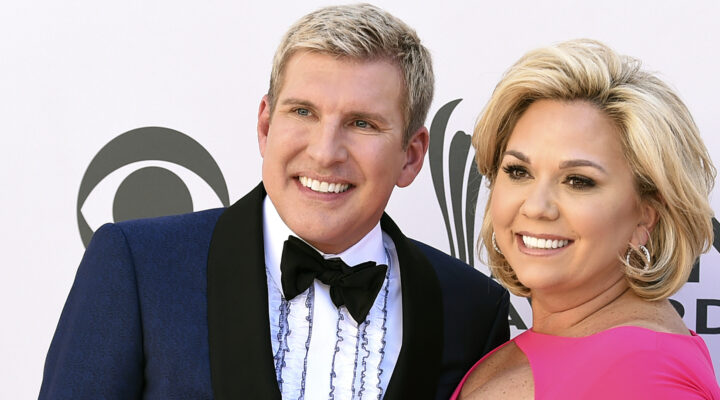
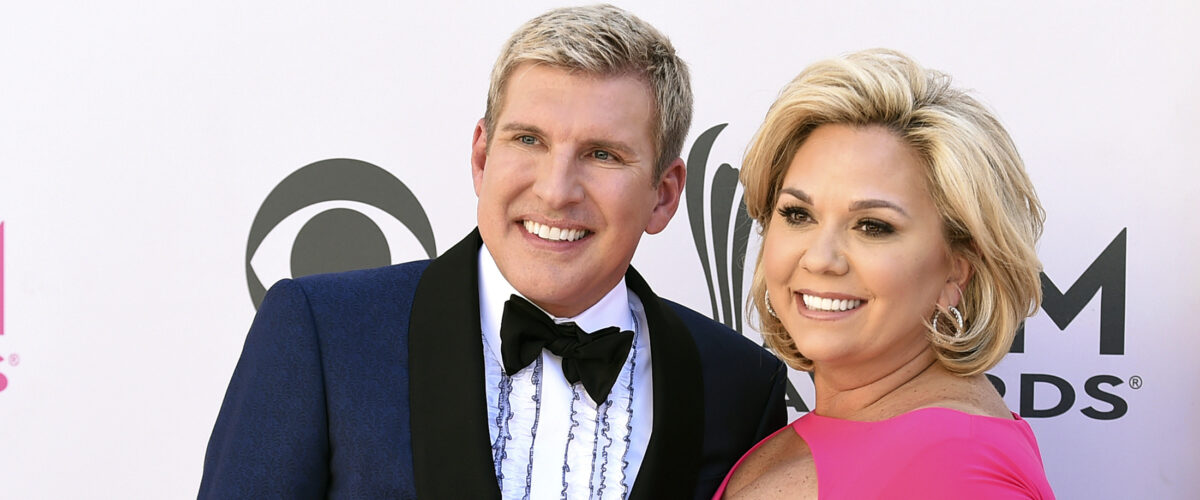
Trump also pardoned former political figures convicted of corruption, including ex-Rep. Michael Grimm and former Connecticut Gov. John Rowland, as well as celebrities like Todd and Julie Chrisley, who were convicted of tax fraud. He even granted clemency to former gang leaders and individuals convicted of serious drug trafficking charges, such as Michael “Harry O” Harris, co-founder of Death Row Records.
Notably, Trump pardoned or intervened in the cases of several U.S. military personnel convicted or accused of war crimes, including 1st Lt. Clint Lorance (U.S. Army), Maj. Mathew L. Golsteyn (U.S. Army Special Forces), and Chief Petty Officer Edward Gallagher (U.S. Navy SEALs). These individuals were charged with or found guilty of serious misconduct during combat deployments, ranging from unlawful killings to desecration of corpses. Trump’s actions drew sharp criticism from senior military leaders and legal experts, who warned such pardons undermine the military justice system, erode discipline and accountability, and threaten the ethical standards that distinguish the U.S. armed forces.
In many cases, these decisions appeared to serve a single purpose: Rewarding personal loyalty or political utility. They were not about righting past wrongs or acknowledging systemic failures; they were transactional.
“These decisions appeared to serve a single purpose: Rewarding personal loyalty or political utility.”
When presidents wield clemency to protect their allies or curry favor with certain groups, they risk eroding public trust in our legal institutions. Trump’s pardons of individuals who attacked the Capitol sent a message that insurrection could be excused if aligned with the right political agenda. It set a dangerous precedent: that power can protect those who act against democracy, as long as they act for the powerful.
By turning pardons into political currency, Trump undermines the constitutional purpose of this power. Presidential clemency never was intended to function as a “get out of jail free” card for friends, donors or co-conspirators. It was meant to serve justice, not politics.
Presidential pardons are not inherently good or bad. When exercised thoughtfully, they can correct injustices and offer deserving individuals a chance to rebuild their lives. But when abused, they distort justice and deepen public cynicism.
As we continue to watch how this powerful executive privilege is used, the American people must remain vigilant. We must demand that pardons be used to promote fairness and rehabilitation, not as political weapons or tools of self-preservation.
Our democracy depends on the rule of law, not the rule of loyalty.
Edmond W. Davis is a native of Philadelphia. He is an award-winning college and university history professor (retired), No. 1 New Release author on Amazon, international speaker, licensed journalist and a globally recognized Tuskegee Airmen/Airwomen authority. He founded the National HBCU Black Wall Street Career Fest and is an advocate for socioemotional intelligence.