


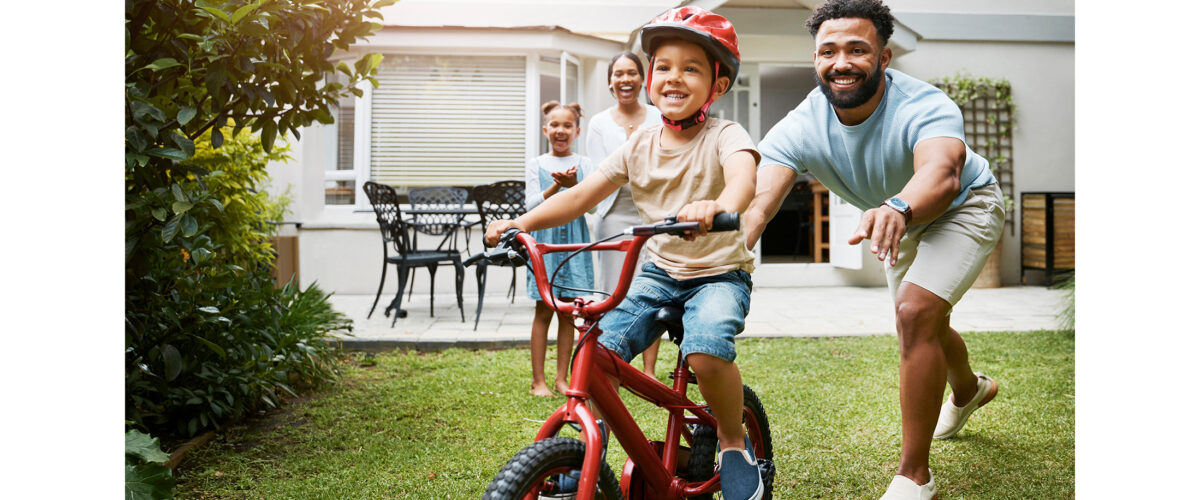
As Father’s Day approaches, we’ll soon be inundated with gauzy images of fathers and sons playing baseball and dads taking their daughters to work.
It’s wonderful to celebrate the paternal bond as a feel-good Hallmark holiday. However, as an expert in male engagement strategies across communities in Rwanda, I know there’s more to the story. In the areas I’ve worked, active fatherhood has had a transformative impact on maternal and child health.
Expanding male engagement is not just a progressive ideal. It is a proven strategy for saving lives and fostering healthier families. But getting dads to shift their thinking around gender roles that have been ingrained for generations isn’t easy.

Ishimwe Felicien
In order to break this cycle and foster a culture of active, equitable fatherhood, we must step up — not just as individuals, but as communities and policymakers.
While the maternal-child bond has been studied for decades, data about the impacts of active fatherhood is much more sparse. But one study published in Frontiers in Psychology found fathers who are actively involved during pregnancy and early infancy develop stronger brain responses tied to empathy and emotional regulation — similar to mothers. This involvement doesn’t just support maternal bonding; it directly benefits children.
Kids with engaged fathers show improved language skills, emotional regulation, social behavior and academic performance. Bonding isn’t just a maternal role — it’s a critical, shared foundation for healthy child development.
In many societies, including Rwanda, masculinity is shaped by longstanding cultural norms that promote traditional gender roles from an early age. Boys often are socialized to equate manhood with strength, control and emotional restraint — traits that often clash with caregiving. As a result, many men grow up internalizing the belief that fatherhood primarily revolves around financial breadwinning rather than emotional support and nurturing.
Men who display tenderness or openly express affection may be viewed as less masculine, perpetuating a cycle where fathers feel disconnected from their children beyond providing material support.
This is a big missed opportunity, for both men and their entire families. Equipping men with the knowledge and skills to support their partners during pregnancy, childbirth and parenting leads to tangible health benefits.
“Active fathers play a role in preventing violence against children.”
Fathers who are actively involved are more likely to ensure their children receive timely health care, vaccinations and emotional support, as seen in data from a 2025 study published in Frontiers in Public Health that examined male involvement in child care among fathers of children under 2 years of age in Toke Kutaye district, Central Ethiopia. Fathers also play a crucial role in reducing maternal stress and postpartum complications by sharing caregiving responsibilities and household chores.
And active fathers play a role in preventing violence against children. A comprehensive six-year follow-up randomized controlled trial of the Bandebereho Role model program implemented by RWAMREC in Rwanda aimed at engaging men in reproductive health and reducing intimate partner violence revealed notable improvements in health outcomes. The intervention involved 1,199 couples across four districts and led to significant reductions in intimate partner violence, with women reporting a 63% decrease in physical violence and a 66% reduction in sexual violence.
Furthermore, men who participated in the program showed increased involvement in maternal health-seeking behaviors, including higher rates of attending antenatal care with their partners, improved emotional support for family members and more equitable sharing of household responsibilities.
In order to scale up these positive outcomes and challenge deeply rooted norms, we must invest in programs that educate and empower men as partners in family health. This means not only promoting gender-equitable parenting practices but also addressing societal barriers that perpetuate the idea that caregiving is solely a woman’s duty.
We need widespread education and community-based programs that challenge harmful gender norms around fatherhood, promote equitable parenting and empower men to take active responsibility in their home.
By increasing paternal involvement in maternal and child health care, promoting respectful relationships and ending the silence around men’s caregiving roles, we can disrupt cycles of neglect and abuse. We can create stronger families, greater gender equality and healthier childhoods.
Ishimwe Felicien is a human rights advocate at the Rwanda Men’s Resource Center and a Public Voices Fellow on the prevention of childhood sexual abuse with The OpEd Project. His work focuses on transforming social norms to build healthier, more equitable families and communities.