

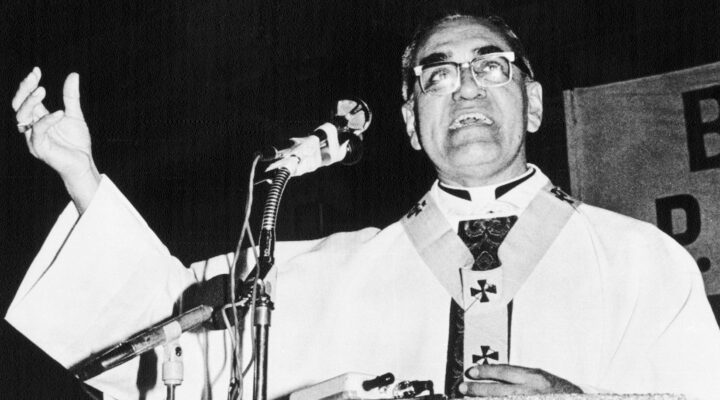
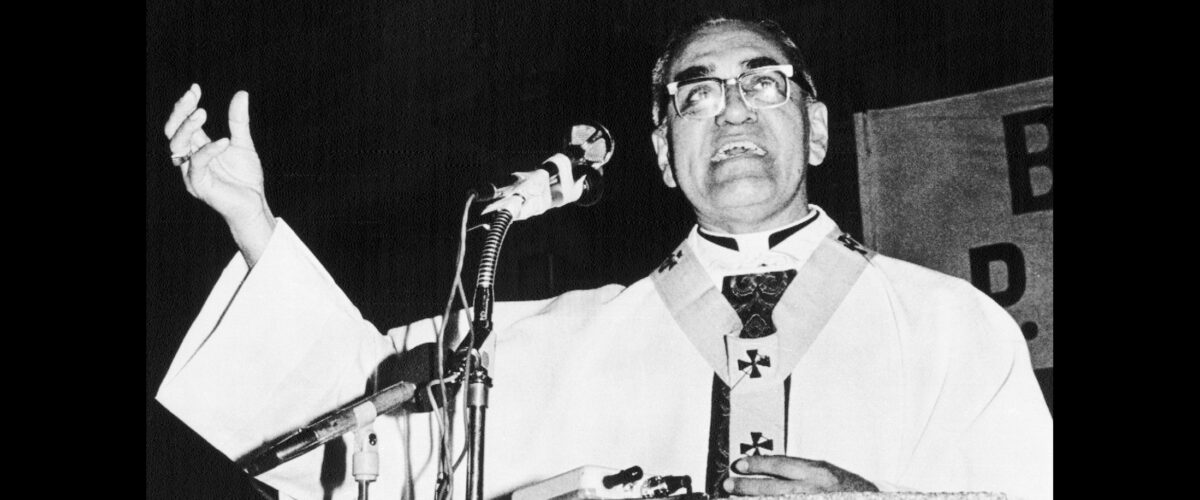
When I was a graduate student in history, I wrote my thesis on the life of the El Salvadorian archbishop Oscar Romero. I contended he was a unique figure in that he held closely to many of the ideas of Liberation Theology while also consistently calling for peace.
I argued that in some ways he kept the flame of Liberation Theology (or the preferential option for the poor) alive despite many conservatives in the Catholic Church seeking to undermine these ideas. The fruit of his vision and ultimate martyrdom can be seen in the focus Pope Francis brought to the church, especially when it related to poor and migrant communities.

Will McCorkle
Romero lived in the midst of a military dictatorship that is not too far different from what is happening in El Salvador today or what the U.S. is heading toward. There were many rebel groups rising up against the oppression, violence and tyranny of the military dictatorship. Romero constantly preached that the church must not embrace violence.
As he famously stated in 1977: “The violence we preach is not the violence of the sword, the violence of hatred. It is the violence of love, of brotherhood, the violence that wills to beat weapons into sickles for work.”
In many ways, he followed the path of Dr. King and Gandhi.
However, we miss something if we end his message there. It is easy for those in positions of privilege and power just to state all violence is equally bad and must be condemned, but that was not the position of Romero. He believed the greatest and most evil violence was that of the state.
“I will not tire of declaring that if we really want an effective end to violence, we must remove the violence that lies at the root of all violence: structural violence, social injustice, exclusion of citizens from the management of the country, repression,” he said. “All this is what constitutes the primal cause, from which the rest flows naturally.”
He eventually paid with his life for this stance as he was gunned down by a military-backed assassin after telling soldiers to put down their arms.
In 2025 with our own authoritarian government, I believe the church must walk this same often confusing and difficult line as Romero. We must always condemn violence as we seek to walk in the way of the one who told us to turn the other cheek and love our enemies. However, we also must always focus our anger on the structural violence of the powerful oppressing the poor instead of directing our condemnation to the natural reaction to that structural violence. In that way, we walk in the ways of Jesus who told us that the poor would be blessed and the oppressed would be freed.
Will McCorkle serves as an education professor in Charleston, S.C., and is a board member with Practice Mercy Border Ministries. He writes on the topics of immigration, peace and faith.