

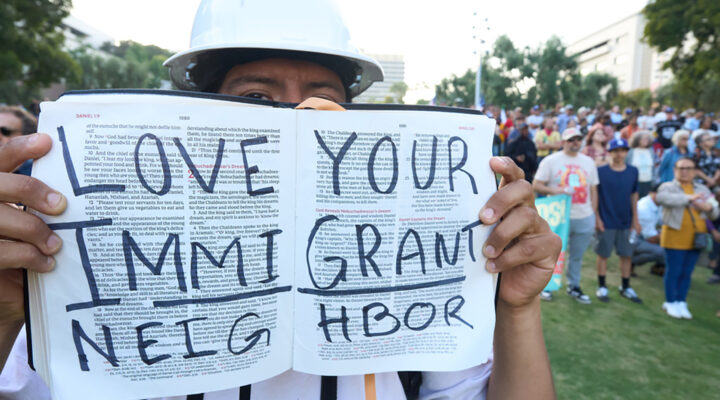
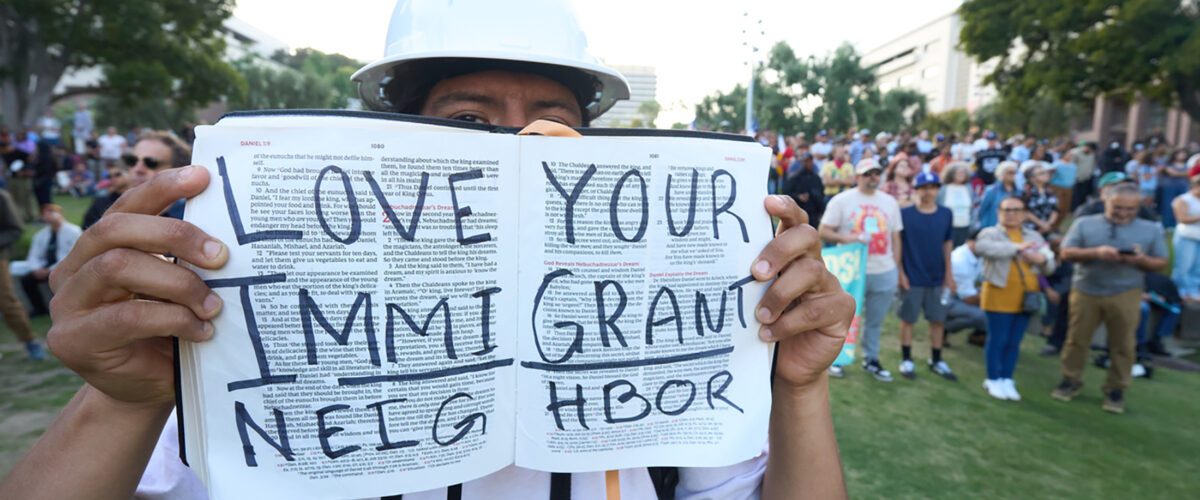
How many of you have seen the images of burning cars and Mexican flags being flown over destruction and carnage? Or maybe your algorithm serves you up endless videos of police trampling, striking or shooting helpless protestors.
These days it can be near impossible to understand a region like Los Angeles without being on the ground in person. Highly symbolic locations suffer the most distortion through our media funhouse mirror. It already is hard enough to be living through so much history in one location.
Riley Taylor
In January, we experienced the worst fire disaster in modern history with the Eaton Fire (and by proximity the Palisades Fire). Estimates project that it will be five to eight years before the region begins to feel “normal,” whatever that means. Right now, it still looks like a war zone.
Now our city is the focus of a domination campaign by the federal government, a made-for-TV conflict produced for maximum shock and awe. On top of all this crisis we have to deal with the maddening misperception by those around the country who think Los Angeles is in full-on societal meltdown.
No one likes to be bullied, so, yeah, folks are mad out here. But the sensational images are a blip compared to the massive number of people out dancing in the streets, praying in the streets, singing and chanting and exercising the core rights of their citizenship to assemble peacefully and redress the government for the abuses we are experiencing in our communities.
I speak from experience, having been part of multiple public gatherings. Let me tell you about one such vigil that happened about a week ago. And let me confess the inner conflict I felt as a man possessing multiple identities and cultures, being a son of South Carolina farmers who finds himself a pastor at an inclusive Baptist church that takes to the streets anytime a friend calls for our presence.
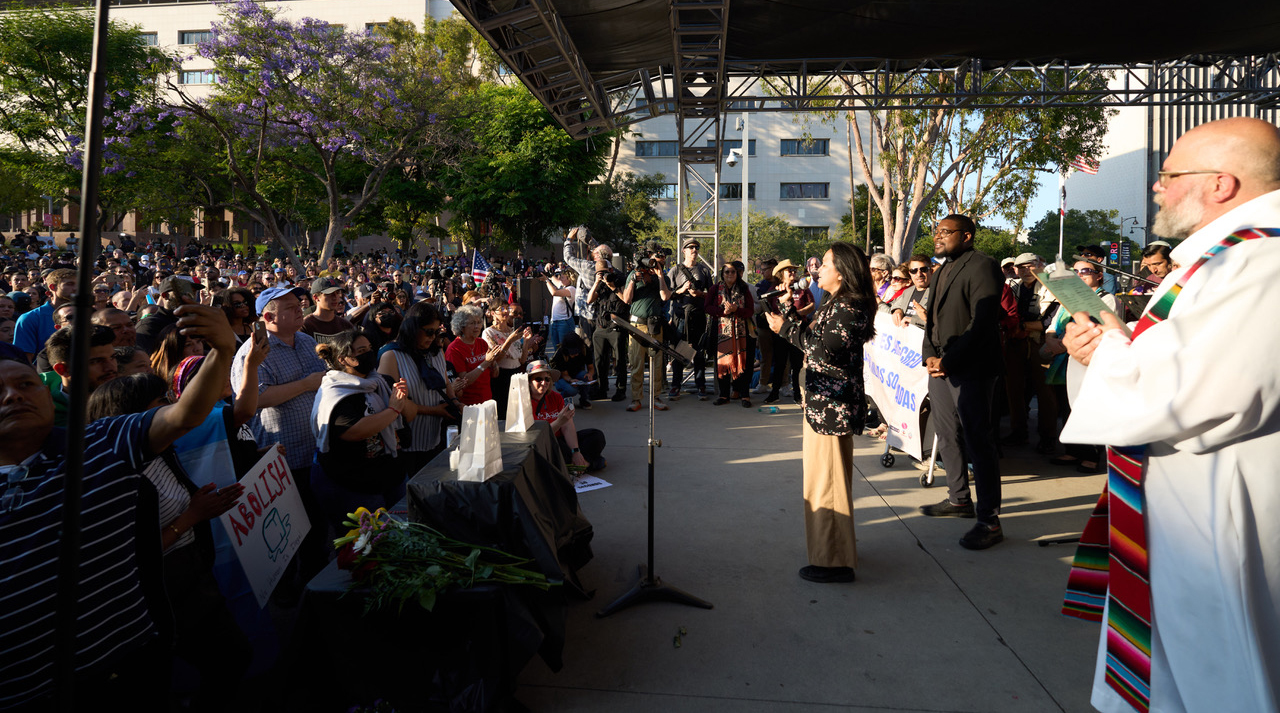
Los Angeles, June 2025 (Photo by Leroy Hamilton)
It’s 6:30 p.m. on Tuesday, June 10, in downtown Los Angeles. I stand behind the podium where local clergy join with local political leaders to address a crowd of a thousand-plus in sunny Grand Park. I don’t hear a single word anyone says. I am distracted by fear. I am not fearful for my safety in the midst of protest, nor, while I hate to admit it, am I thinking of the safety of our migrant brothers and sisters. Instead, I am terrified my family will see their good Southern boy on the news standing in support of a political movement that is in active opposition to the current administration.
I can see the headline, “Liberal Clergy Rally Behind Quasi-Insurrectionist Leaders on Day Four of Los Angeles Riots.” I imagine them scanning the crowd behind the podium and finding me with my hands extended in a sign of blessing. They might utter with disappointment and confusion, “Where is the principled Southern man we raised? He’s been drinking that liberal Kool-Aid!”
Yet, I also imagine and understand their fear for me. I am in a city they are convinced is burning down, and I am walking the streets and advocating for people they have been told by government officials are evil and violent. I am 2,100 miles across the country, and their only exposure to Los Angeles apart from me is through highly filtered media slop built for their outrage. When everything is propaganda designed just for you, it is near impossible to know which way is up and who to trust.
“When everything is propaganda designed just for you, it is near impossible to know which way is up and who to trust.”
So what are those who are not here supposed to think? How are they supposed to know what is real? They cannot fully know, and as humans, we are inherently afraid of that which we do not know. As a result, much of the country is afraid of Los Angeles.
So we name-call and imagine what kind of people are in the streets and what they are doing. This fracturing of meaning runs right through households and friendships, so much so that I am scared of my own family’s perception of me and my vocational demands. At a time when I need prayer and support, I fear the folks who know me best and longest are judging the fitness of my soul.
Yet we all have to face our fears, ultimately rendering them toothless save the fear of God.
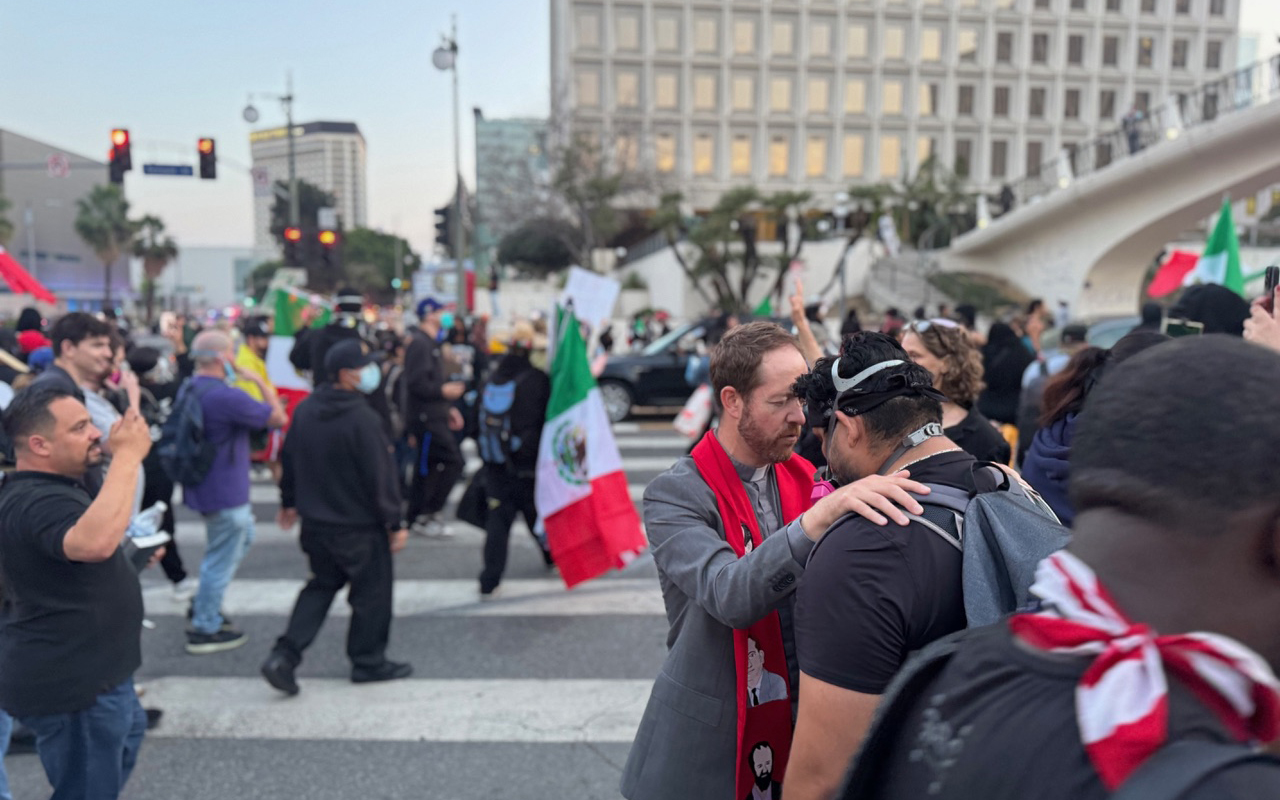
Los Angeles, June 2025 (Photo by Leroy Hamilton)
I have been called to a specific place (Pasadena, Calif.) for a specific task (preach the gospel). I do not get to decide how the crisis arrives, or the obligations it places on my body. I have to trust my training, pray like God is listening, and get to work.
It was the Eaton Fires that landed me out west to help First Baptist Church as a pastor-in-residence. Now that process of repairing and rebuilding is being compromised further by political scapegoating and showboating immigration raids. Who do you think is working in those burned areas of Altadena? Migrants and day laborers from the same communities that are now being driven into hiding.
Hell arrived in this region first as fires rushing down the mountains and eating entire communities. Then hell arrived in the form of masked agents in unmarked cars grabbing people off the sidewalk and from worksites.
“Wherever hell is emerging, there the church is called to set up shop.”
In times like these, I am reminded that wherever hell is emerging, there the church is called to set up shop. I do less farming these days, but wear my work boots all the same. They are good for marching, or as the late Rabbi Heschel says, praying with my feet.
My family taught me how to pray, and I hope they know I honor that legacy by standing up with my brothers and sisters, head bowed and arms extended.
And for all you readers, I pray you recognize me as a son of the South, called west to minister in the church and the streets and the bars with my guitar. I hope you can see me carrying Jesus in my guts as best as I know how. I am trying to see you doing the same.
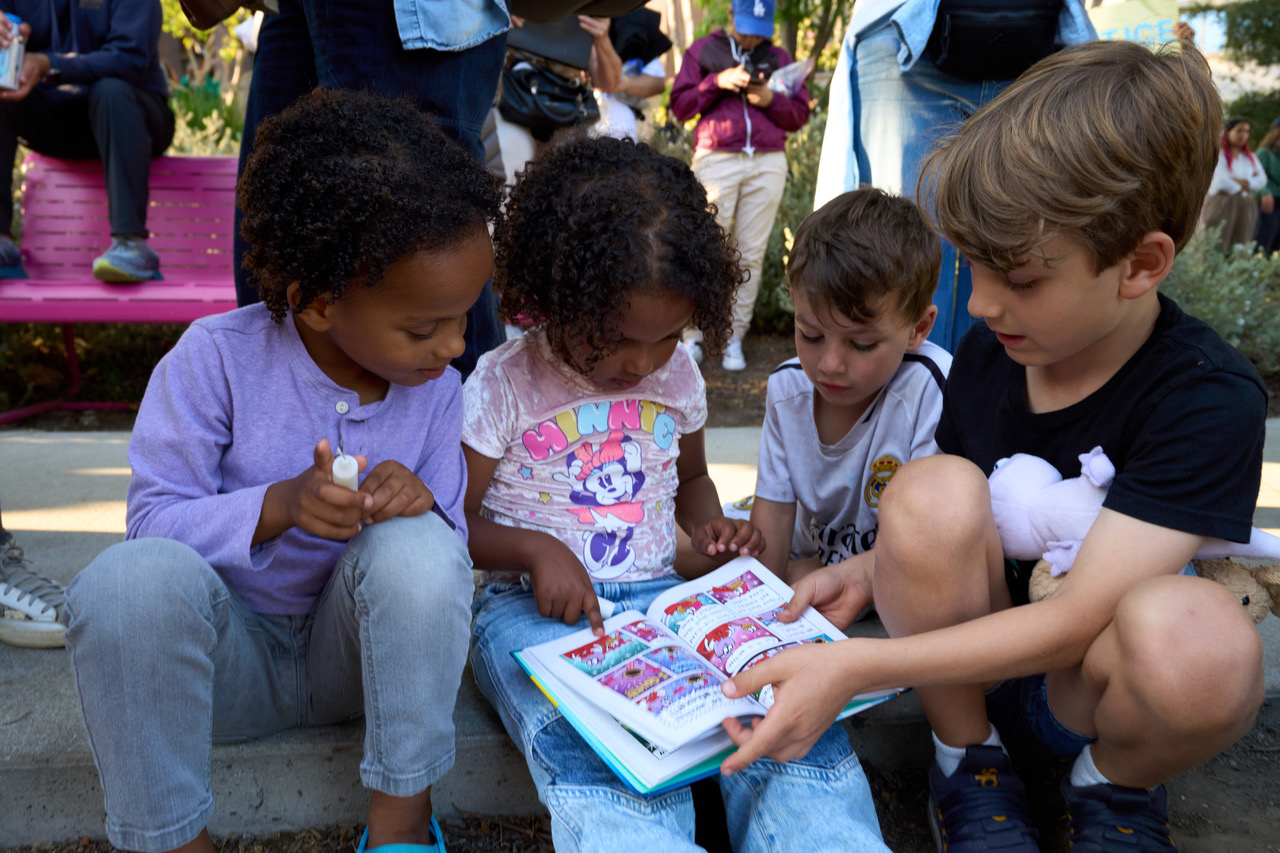
Los Angeles, June 2025 (Photo by Leroy Hamilton)
It might take us both turning off the news feeds for a while. Get some sanity in our hearts. No need to rehash the problem. We feel it in our bones. We do not know how to belong to one another. There is no mystery about why we have all this hate and fear coursing through our national body. Bread and circus by other means.
I just keep looking for a firm place to stand and keep coming to the same conclusion. In a moment of great uncertainty in a land of great pain and lostness, I continue to find that eternal taproot, that Rock of Ages.
A few weeks back, I preached on resurrection and sang about this rock, this gospel ground from which all new things spring forth.
Rock of Ages, cleft for me,
let me hide myself in thee.
Won’t you come join me? Let’s tuck into the cleft in the rock together. Away from the noise. See Jesus in me as I see Jesus in those afraid of being taken under cover of darkness. Jesus sees us all. Sees us whole.
From way out in Los Angeles, can you see us? Can you pray for us? Please don’t hate on us because the news told you to. We are just trying to earn our bread and love our neighbors same as you. And when the occasion calls for it, we storm the gates of hell, cast out demons and stand with the prisoners and for those disappeared.
Because God told us to.
So go and do likewise wherever you find yourself. Like I was taught as a kid, if you can’t say something kind, then shut your mouth. And if you cannot see something sacred in our struggle, then get some new eyes. If your ears are full of lies pouring from your phone screen, then get some new ears. And if you forgot how to love folks different than you, well then, go ask Jesus for a new heart.
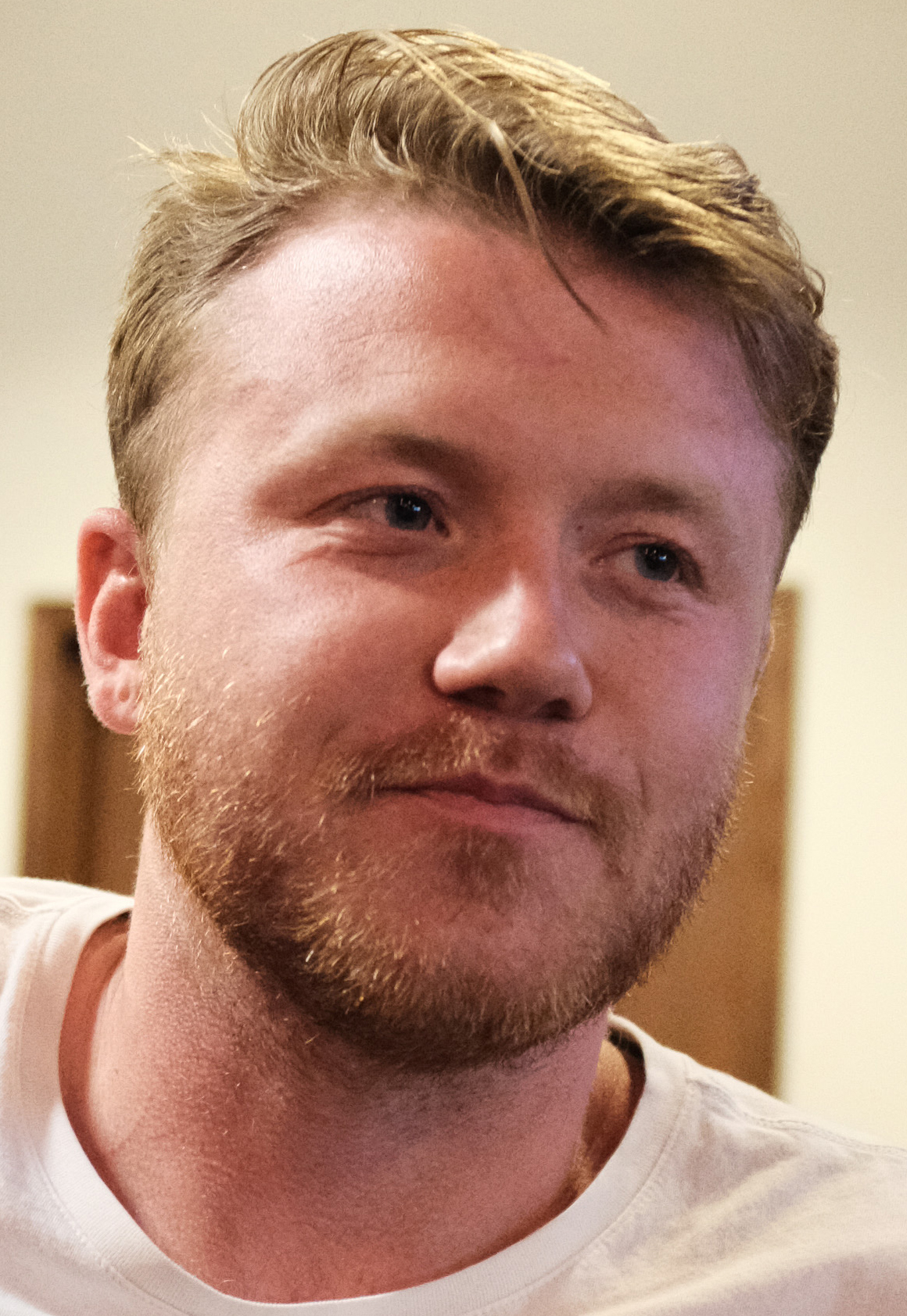
Riley Taylor is a pastor in residence at First Baptist Church of Pasadena, Calif.