


“My people are destroyed for lack of knowledge.” — Hosea 4:6
Before it ever was called Iran, this storied nation was known to the world as Persia, an identity stretching back more than 3,000 years. The name “Iran” is derived from the word Aryānām — meaning Land of the Aryans. The name was officially adopted in 1935 under Reza Shah, although the Persian legacy continues to echo through culture, poetry and politics.
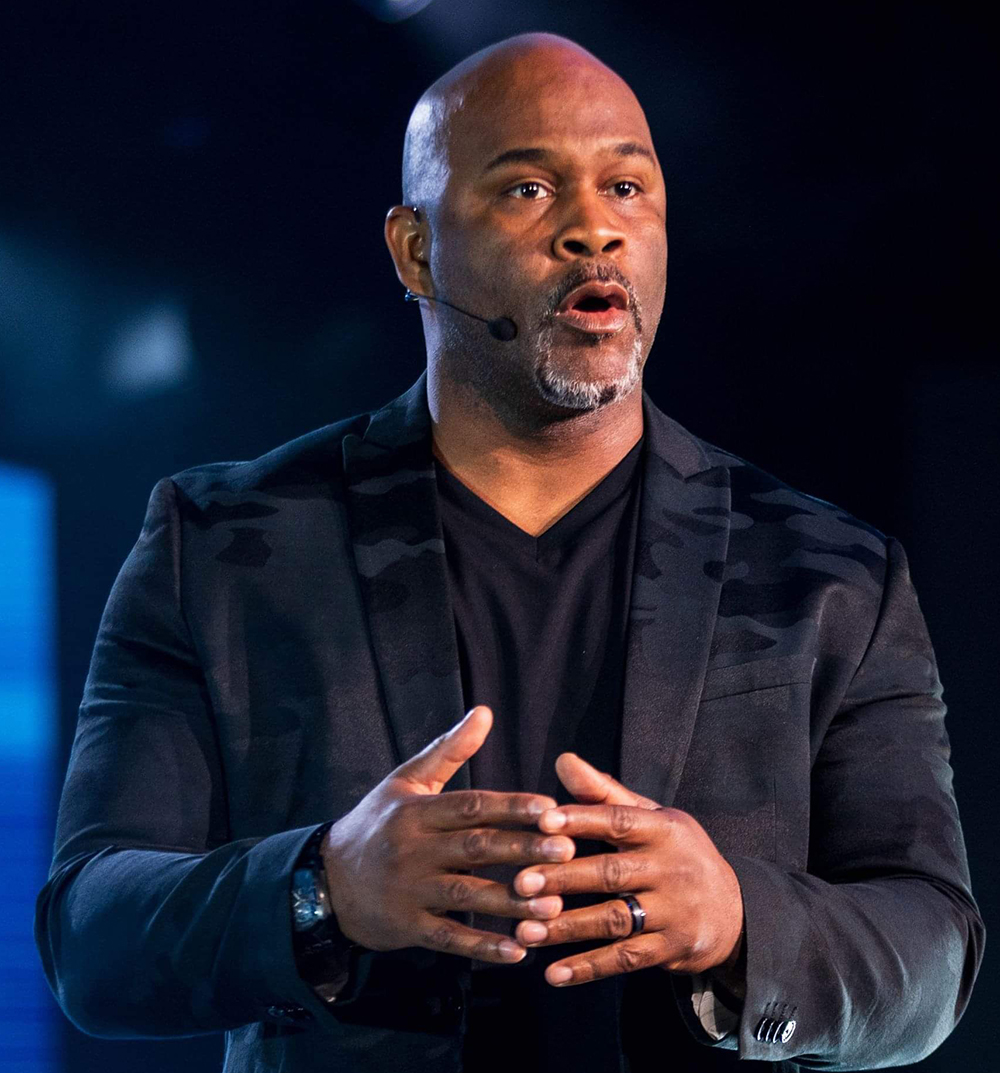
Edmond W. Davis
Persia’s empires — including the Achaemenid dynasty of Cyrus the Great — once ruled from Greece to India. Cyrus, mentioned in Isaiah 45, is the only non-Jew in the Bible called “God’s anointed.” His decree to release the Jews from Babylon is seen by many Christians as a divine act of leadership, a reminder that God can use anyone for God’s purpose.
Today, Iran claims to still stand on that ancient foundation of identity and sovereignty. But does it?
Iran’s population in 2024 was about 90 million, and it remains ethnically and religiously complex:
- 61% Persians
- 16% Azeris (Turks)
- 10% Kurds
- Others include Arabs, Baluchis and Lurs.
It is also more than 90% Shi’a Muslim, governed by a theocratic system rooted in Velayat-e Faqih (Guardianship of the Jurist). The Supreme Leader, Ayatollah Ali Khamenei, serves not just as a religious figure but as commander-in-chief and head of state. Although Christianity, Judaism and Zoroastrianism are constitutionally recognized, Christian converts from Islam face severe persecution — something Christian organizations worldwide have condemned.
Despite political turmoil and sanctions, Iran has invested heavily in its human development.
Education:
- Youth literacy: 98%
- Adult literacy: 85%
- Education fulfillment: 91%
- 5 million university students, with a strong emphasis on engineering, medicine and sciences.
Health
- Life expectancy: 75.6 years
- Child health care access: 96.5%
- Adult health care fulfillment: 98.8%
- Health spending: 5.8% of GDP
- Yet, air pollution kills 40,000 annually, draining 3.2% of the nation’s GDP
Economy
- GDP (2019–2020): $463 billion USD
- Oil and gas: Second in natural gas reserves, fourth in oil
- Sanctions impact: Analysts estimate that without sanctions, growth would average 4% to 5% per year (now <3%).
In truth, Iran’s education and health care systems outperform many nations with similar GDPs but the economic inequality remains steep. The top 10% controls more than 50% of income, according to its own Gini coefficient.
Since June 13, Iran and Israel have been in open conflict:
- 657 Iranians dead, including 263 civilians
- 24 Israelis dead from more than 450 Iranian missiles and 1,000 drones
- Israeli airstrikes have hit Fordow, Natanz, Arak and Tehran’s missile labs
- IAEA warning: A direct hit on Bushehr reactor could “release high radioactivity”
Iran insists its nuclear program is peaceful. Yet the Fordow facility — hidden deep underground — has enriched uranium to 60%, a mere technical step from weapons-grade (90%). That’s a red line for Israel and a flashing alert for Western powers.
Even Donald Trump, weighing U.S. airstrikes, said: “You’re sitting on one of the world’s largest oil piles. It’s hard to see why you’d need nuclear power.”
Despite its theocratic rigidity and aggressive foreign posture, Iran is not wrong on every point.
Nuclear program for energy: While nuclear weapon development is widely suspected, no conclusive evidence has emerged. Iran agreed to the 2015 JCPOA deal, limiting enrichment and allowing inspectors — until the U.S. withdrew in 2018 under Trump.
Education and health: Objectively, its education system is among the best in the region, and its health infrastructure rivals wealthier nations.
Sovereignty and double standards: Iran argues Israel has nuclear weapons but faces no sanctions, while it is punished preemptively. Some global voices — including Russia, India and South Africa — echo that claim.
“As believers in Christ, our role is not to demonize nations, but to seek the truth.”
As believers in Christ, our role is not to demonize nations, but to seek the truth, pray for the oppressed and encourage peace where possible. Iran is not merely an “axis of evil,” and killing unarmed, innocent civilians is not to God’s glory. Iran is a nation with families, churches, mosques, doctors, engineers, schools and scholars — caught in a centuries-long power struggle between East and West, Sunni and Shi’a, and now, missiles and megaphones.
But we must also stand with Israel, hold Iran accountable for persecution and aggression, and push for nuclear transparency. As Hosea said, a lack of knowledge leads to destruction. This means our votes, our prayers and our policies must be informed — not just by fear, fake news, emotional temper-tantrums or Twitter — but by facts, faith and the fulness of history.
Iran is a land of ruins and rockets, poetry and peril, contradictions and convictions. But beneath the smoke of war and rhetoric, it remains a place where God is at work and where truth can still shine — even in the shadow of a reactor core. After all, when it comes to attacking civilian populations, a domestic terrorist in the U.S. is no different from a religious terrorist in Iran. Prayers to both Iran and Israel.
Edmond W. Davis is a historian, speaker and founder of the National HBCU Black Wall Street Career Fest, held annually in Little Rock, Ark. He is one of the nation’s leading scholars on Black Wall Street communities and is committed to truth-telling, community restoration and building generational wealth in the Black community.
Related article:
Trump thanks God after bombing Iran