

Florida cannot enforce a new law making it a crime for undocumented immigrants to enter or remain in the state, the U.S. Supreme Court said July 9.
The one-sentence order let stand a lower court ruling barring the state from enforcing Senate Bill 4-C while a lawsuit against the measure continues. The decision came without dissent or reasoning.
The law mandates “enhanced criminal penalties, including nine-month or longer prison sentences depending on the number of violations, for migrants who enter the country illegally and subsequently come to Florida.”
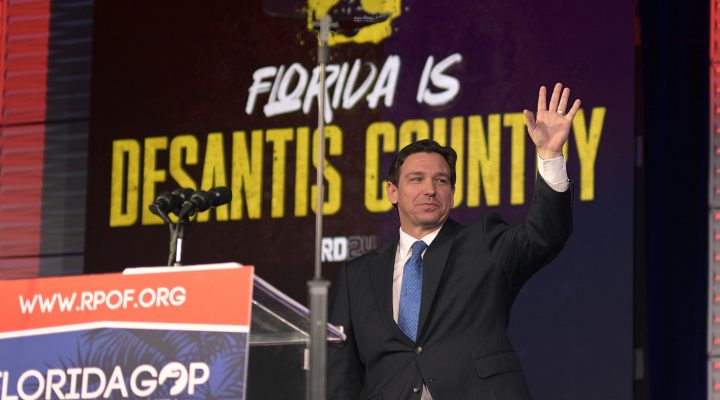
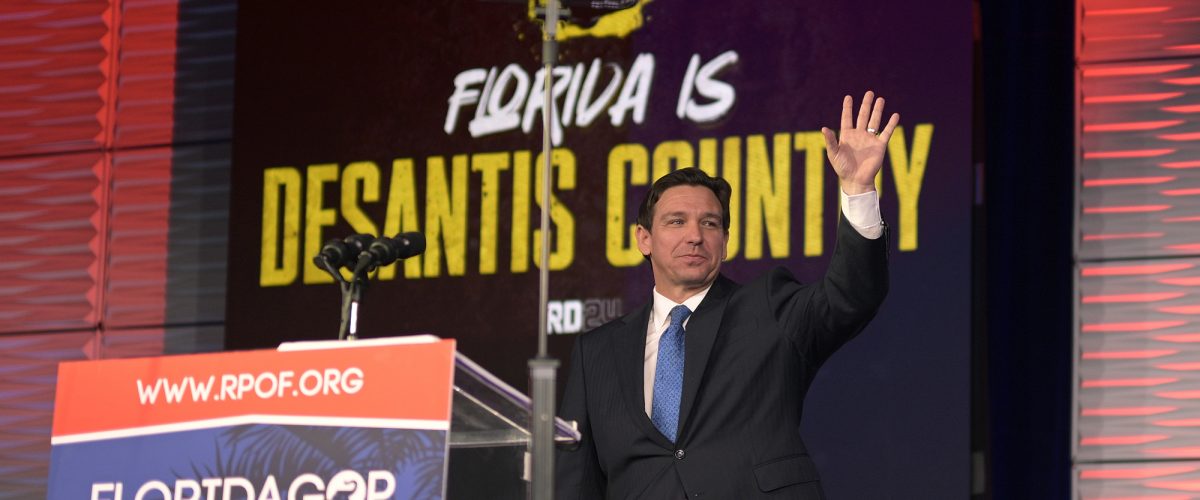
The bill was passed during a special legislative session called to support President Donald Trump’s anti-immigration agenda and signed into law by Gov. Ron DeSantis in February.
The Farmworker Association of Florida, the Florida Immigrant Coalition and a number of undocumented immigrants filed a federal lawsuit April 3 asserting the measure is unconstitutional because immigration enforcement is the responsibility of the U.S. government.
U.S. District Judge Kathleen Williams in Miami issued a temporary restraining order April 4 pausing enforcement of the law. The U.S. 11th District Court of Appeals rejected the state’s request in June to halt Williams’ order and set oral arguments in the case for Oct. 6, SCOTUSblog reported.
But the state asked the Supreme Court to step in, arguing the court never has supported the notion that federal law completely bars states from regulating “alien movement” within their borders.
“The challengers urged the justices to leave Williams’ order in place, countering that the state has ‘entirely fail(ed) to establish any emergency’ requiring the court to step in,” according to the blog. “They argued that SB 4-C ‘conflicts with the intricate federal scheme for regulating immigration.’”
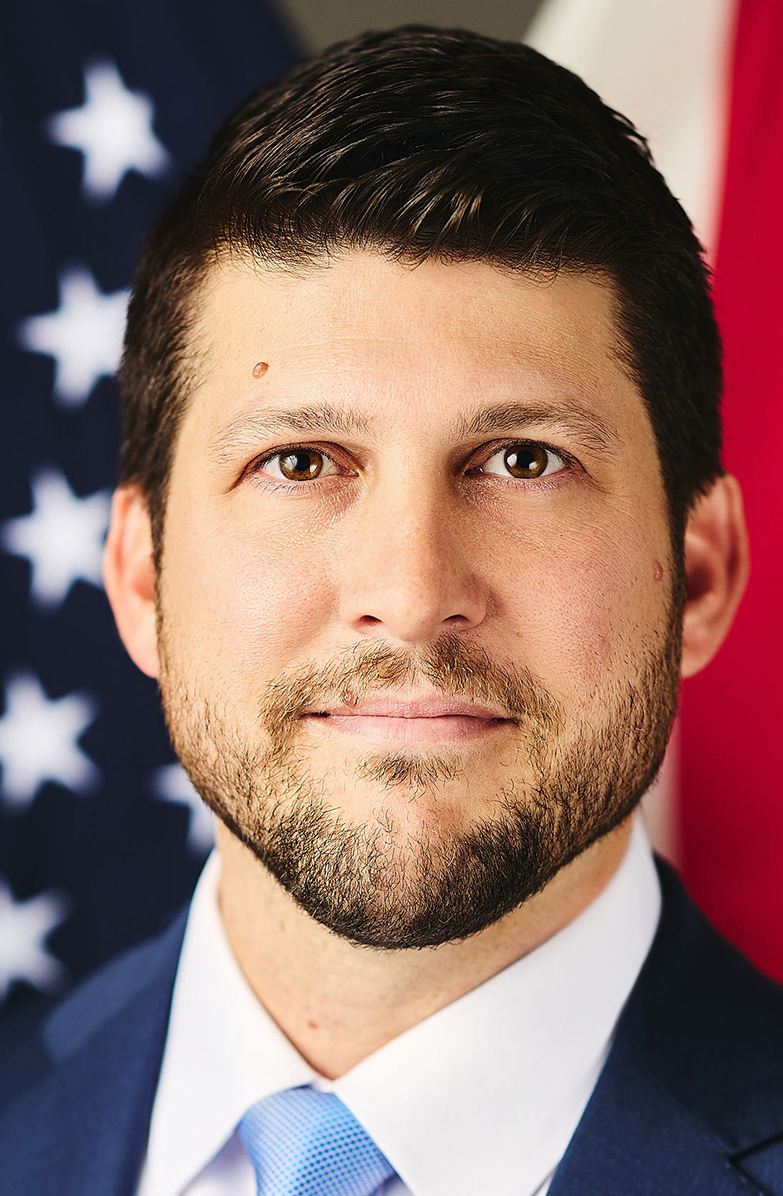
James Uthmeier
A spokesman for Florida Attorney General James Uthmeier said the state will continue with its appeal, the Tallahassee Democrat reported.

Bacardi Jackson
But the Supreme Court order is another win for federal control of immigration policy, said Bacardi Jackson, executive director of the American Civil Liberties Union of Florida, one of two groups representing plaintiffs in Florida Immigrant Coalition v. Uthmeier. “Florida’s attempt to bypass federal authority and weaponize local law enforcement to police immigration status was not only unlawful, but it also put thousands of people at risk of unjust detention, separation and abuse.”
“This denial reaffirms a bedrock principle that dates back 150 years: States may not regulate immigration. It is past time for states to get the message,” added Cody Wofsy, deputy director of the ACLU Immigrants’ Rights Project.
Paul Chavez, director of litigation and advocacy for Americans for Immigrant Justice, said the Florida law would open a Pandora’s Box of other illegal actions against his clients and other immigrants across the state.
“In attempting to adopt its own immigration enforcement regime, Florida’s SB 4-C risked increased racial profiling, civil rights violations, isolation of immigrant communities and unjust deportations,” he said. “When local policing is entangled with immigration enforcement, it inevitably undermines any trust the local police have built with the immigrant community, which ultimately undermines public safety for all Floridians.”
The July 9 decision continues an unbroken series of defeats the courts have dealt not only to SB 4-C but also to similar laws in Idaho, Iowa, Oklahoma and Texas, according to the ACLU. “The fight against this illegal state law will continue, and in the meantime the preliminary injunction the Supreme Court left in place today will continue to prevent state authorities from targeting neighbors across Florida with cruel punishments they would not face under federal law.”