



As our nation celebrates its 249th birthday, we find ourselves in a time of moral emergency. The seven deadly sins of Western Christianity are being paraded as virtues by our most powerful and wealthy, and the classical virtues of our Western heritage are being mocked as weakness.
David Brooks, New York Times columnist and one of our most important public moralists, expresses his moral anguish in his article in The Atlantic, “I Should Have Seen This Coming”: “Maybe the best description of what I am feeling is moral shame: To watch the loss of your nation’s honor is embarrassing and painful.”
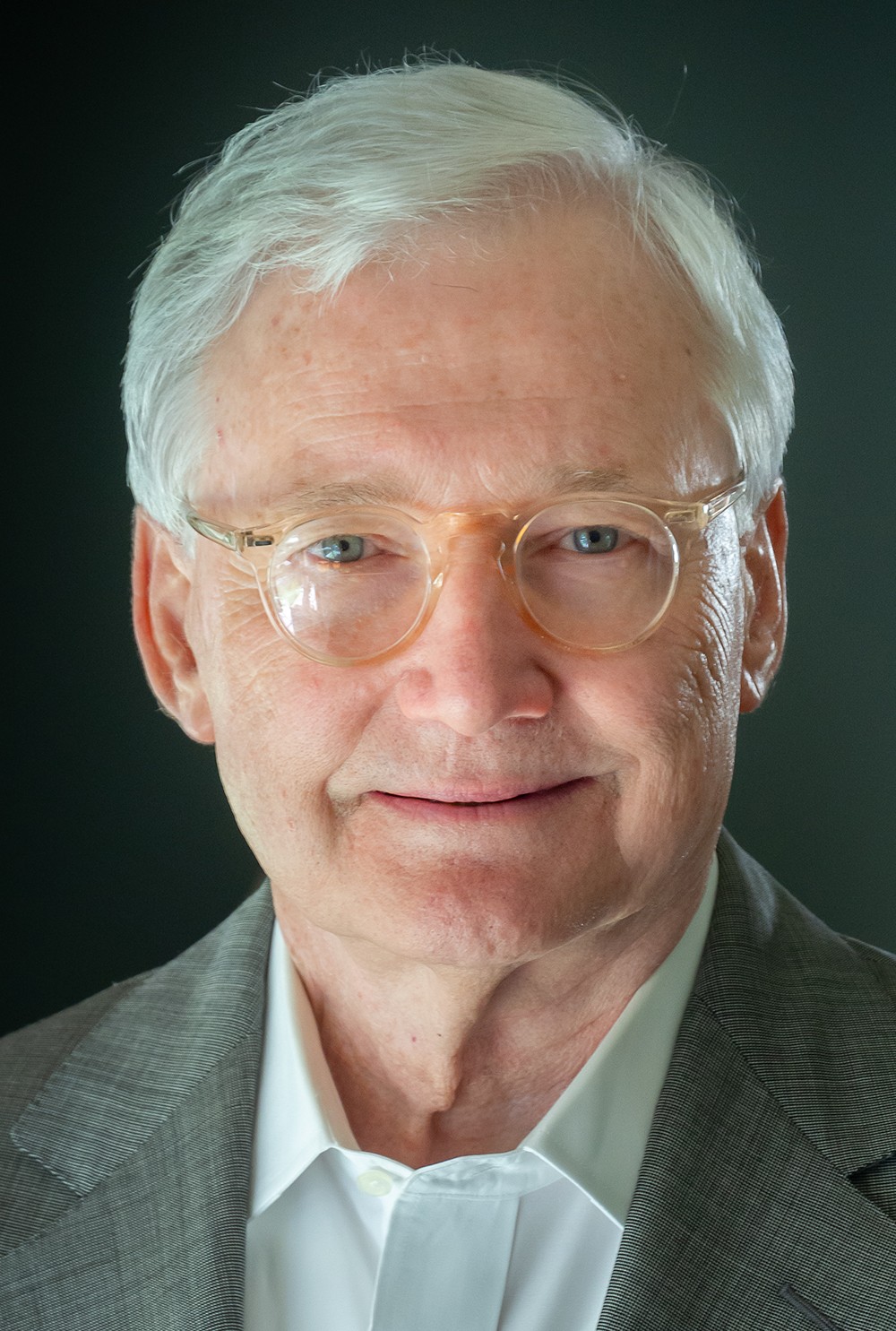
Stephen Shoemaker
In another piece, “How to Survive the Trump Years with Your Spirit Intact,” he describes the Trumpian ethos as “paganism.” The Nazism of the Third Reich has been rightly described as “neo-pagan.” What we are watching then is “neo-neo-paganism.”
Brooks contrasts paganism and biblical morality in this way: “Paganism says, ‘Make yourself the center of the universe. Serve yourself and force others to serve you.’ The biblical metaphysic says, ‘Serve others and you will find joy. Serve God and you will delight in his love.’”
“What we are watching then is ‘neo-neo-paganism.’”
In The Atlantic article he writes: “If there is an underlying philosophy driving Trump, it is this: Morality is for suckers.” So in lockstep, the world’s wealthiest man, Elon Musk, who helped Donald Trump win the election with his almost $300 million, chimes in with his moral philosophy that the “fundamental weakness of Western civilization is empathy.” As director of DOGE he supervised the end of U.S. aid to the poorest of nations and peoples and is causing multiple thousands to die.
Damon Linker, whom Brooks quotes, describes our moral emergency: “Trumpism is seeking to advance a revolutionary transvaluation of values by inverting the morality that undergirds both traditional conservatism and liberal institutionalism. In this inversion, norms and rules that counsel and enforce propriety and deference to institutional authority become vices, while flouting them become virtues.”
Are they correct in their assessment of where we are? In his article in The Atlantic, “The New Dark Age,” Adam Server compares the Dark Ages at the fall of the Roman Empire to our hour today: “The warlords who sacked Rome did not intend to doom Western civilization to centuries of ignorance. It was not a foreseeable consequence of their actions. The same cannot be said of the sweeping attack on human knowledge and progress that the Trump administration is now undertaking — a deliberate destruction of education, science and history, conducted with a fanaticism that recalls the Dark Ages that followed Rome’s fall.”
John Winthrop, newly elected first governor of Massachusetts, wrote the words President Reagan loved to use: “For we shall be as city on a hill, the eyes of all the nations shall be upon us.”
America, as Reagan expressed it, is “the shining city on a hill.” Winthrop was drawing on the words of Isaiah and Jesus. But few have noted what he said just before that famous sentence: “Now the only way to provide for our posterity is to follow the counsel of the prophet Micah: To do justice, to love mercy, to walk humbly with our God.”
“We shall open the mouths of enemies to speak evil of the ways of God and all professors for God’s sake.”
And few know his words of warning that followed: “So if we deal falsely with our God in this work we have undertaken … we shall be made a story and a by-word through the world: We shall open the mouths of enemies to speak evil of the ways of God and all professors for God’s sake; we shall shame the faces of many of God’s worthy servants.”
We stand on the precipice of becoming what Gov. Winthrop warned. Will we, by our next, then, 250th anniversary as a nation, right ourselves and put away this Trumpian paganism that is the moral emergency we now face?
There is a verse of Scripture that both evangelicals and the Black church love: “If my people who are called by name humble themselves, and pray and seek my face, and turn from their wicked ways, then I will forgive their sin and heal their land.” The evangelical church generally has interpreted 2 Chronicles 7:14 a call in a personalistic way — to repent and turn to Jesus.
But the Black church, the repository of prophetic Christianity in our nation, has seen this verse as a urgent call to national repentance that recalls the words of God spoken through the prophet Isaiah:
Wash yourselves; make yourself clean;
remove the evil of your doings from before my eyes;
cease to do evil,
learn to do good,
Seek justice,
correct oppression;
defend the fatherless,
plead for the widow.
This is the way forward as we now head toward the 250th birthday of our nation.
Stephen Shoemaker most recentl served as pastor of Grace Baptist Church in Statesville, N.C. He previously served as pastor of Myers Park Baptist in Charlotte, N.C.; Broadway Baptist in Fort Worth, Texas; and Crescent Hill Baptist in Louisville, Ky.