



Federal workers are now free to preach and pray in the workplace and are even encouraged to proselytize colleagues while on the job, according to a new memo from the U.S. Office of Personnel and Management.
“Employees may engage in conversations regarding religious topics with fellow employees, including attempting to persuade others of the correctness of their own religious views, provided that such efforts are not harassing in nature,” agency director Scott Kupor said in the July 28 directive.
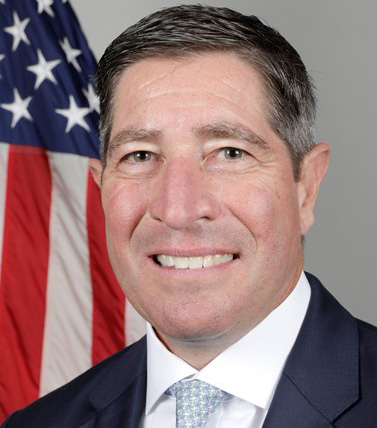
Scott Kupor
The guidelines do not define which behaviors would be “harassing in nature” but do make clear workers’ religious beliefs are paramount.
“Employees may also encourage their coworkers to participate in religious expressions of faith, such as prayer, to the same extent that they would be permitted to encourage coworkers participate in other personal activities,” the guidance says.
Government workers may evangelize in public settings and engage in religious activities when providing services to citizens, the new rules say. “A park ranger leading a tour through a national park may join her tour group in prayer. A doctor at a Veterans Affairs hospital may pray over his patient for her recovery.”
And bosses will enjoy the same protections when initiating or leading religious activities in the workplace, Kupor added. “The constitutional rights of supervisors to engage in such conversations should not be distinguished from non-supervisory employees by the nature of their supervisory roles. However, unwillingness to engage in such conversations may not be the basis of workplace discipline.”
But harassment and the potential for retaliation against nonparticipating employees is built into the policy, advocates for church-state separation said.

Annie Laurie Gaylor
“This is the implementation of Christian nationalism in our federal government,” said Annie Laurie Gaylor, co-president of the Freedom from Religion Foundation. “These shocking changes essentially permit workplace evangelizing, but worse still, allow supervisors to evangelize underlings and federal workers to proselytize the public they serve.”
The federal government’s responsibility is to serve the nation and protect federal employees from religious harassment, not to proselytize, said Rachel Laser, president of Americans United for Separation of Church and State.

Rachel Laser
“The Constitution’s promise of church-state separation means government officials may not impose religion on their colleagues or people who are seeking government services. And yet this memo encourages federal workers to abuse the power of their positions by imposing their religious beliefs on others,” she added. “Imagine being a veteran hospitalized for injuries and your VA doctor prays over you in a religion that is not your own. That’s not religious freedom.”
But the memo claims the policy is an expression of the religious liberty extolled by the nation’s founders, in federal law and in the guarantee of religious liberty.
“The First Amendment to the U.S. Constitution robustly protects expressions of religious faith by all Americans — including federal employees,” according to the memo.
While no specific religion is stipulated in the guidance, it is built in part on “Eradicating Anti-Christian Bias,” President Donald Trump’s executive order launching his Anti-Christian Bias Task Force and elevating the prominence of evangelical Christianity.
“My administration will not tolerate anti-Christian weaponization of government or unlawful conduct targeting Christians,” he said. “The law protects the freedom of Americans and groups of Americans to practice their faith in peace, and my administration will enforce the law and protect these freedoms.”
The new policy, titled “Protecting Religious Expression in the Federal Workplace,” does not define what constitutes harassment in regard to permitted religious activities.
“Federal employees should never have to choose between their faith and their career,” Kupor said about the guidelines. “This guidance ensures the federal workplace is not just compliant with the law but welcoming to Americans of all faiths. Under President Trumpʼs leadership, we are restoring constitutional freedoms and making government a place where people of faith are respected, not sidelined.”
But only conservative, Trump-supporting Christians will be protected by the new policy, Laser countered.
“Under this regime, it’s easy to imagine the Christian nationalists Trump has appointed proselytizing employees in the workplace — who then get reported and disciplined for anti-Christian animus when they object to this harassment.”