



The pastor of the world’s largest progressive church with a primary outreach to the LGBTQ community issued a statement blasting a Texas Supreme Court assessment that allows state judges to refuse to conduct same-sex marriages based on religious freedom claims.
“This ruling is nothing less than state-sanctioned discrimination and a betrayal of the fundamental promise of equality under the law,” said Neil Thomas, senior pastor at Cathedral of Hope in Dallas. “This decision gives prejudice a platform and power it does not deserve.
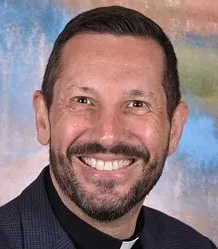
Neil Thomas
“To deny couples the right to marry because of who they love is an affront to both our Constitution and the gospel of Jesus Christ. Let us be clear: This is not about religious freedom; it is about institutionalizing bias.”
In 2015, the U.S. Supreme Court ruled in Obergefell v. Hodges that same-sex marriage must be allowed in all 50 states. Previously, the states had a patchwork of different practices, with some allowing same-sex marriage and others not.
Since then, judges and justices of the peace nationwide have been required to be all in on weddings — for heterosexual as well as homosexual couples — or not officiate weddings at all. In Texas, judicial officials are not required to officiate weddings but may choose to do so.
After Obergefell, a Rowan County, Ky., clerk who refused to issue marriage licenses to same-sex couples, citing her religious beliefs, made national headlines. Kim Davis defied the Supreme Court ruling and was defeated in her bid for reelection and sued by two same-sex couples for refusing to issue marriage certificates. Both a trial court and an appeals court rejected Davis’ argument that she is entitled to qualified immunity from monetary damages in civil suits brought against her.
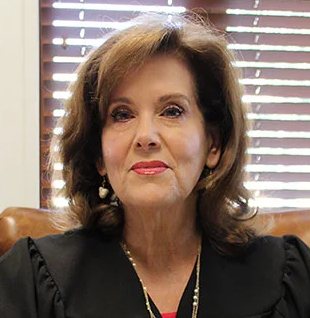
Dianne Hensley
In Texas, Waco Justice of the Peace Dianne Hensley originally responded to Obergefell by not officiating any weddings. Then in 2016 she decided to resume officiating weddings but only for heterosexual couples. She referred same-sex couples to other officiants, according to court filings.
The state’s judicial conduct commission launched an inquiry into Hensley’s practice in 2018 and issued a public warning the next year. Hensley responded with a lawsuit, arguing the Texas Religious Freedom Restoration Act protects her rights to refuse officiating same-sex weddings on religious grounds.
That case eventually made it to the Texas Supreme Court, which now has issued a comment — not a formal ruling — saying Texas judges who decline to perform weddings based on a “sincerely held religious belief” do not violate the state’s rules on judicial impartiality.
The state high court clarified Canon 4 of the Texas Code of Judicial Conduct, which prohibits judges from doing things outside their judicial role that would cast doubt on their ability to act impartially or interfere with the proper performance of judicial duties.
For now, Hiram Sasser of First Liberty Institute, said he is pleased with the amendment: “Now going forward, every judge in Texas will enjoy the freedom Judge Hensley has fought so hard for in her case.”
First Liberty is a conservative legal advocacy group aligned with evangelical Christian efforts to challenge and even reverse Obergefell.
In Dallas, Pastor Thomas said the message already is clear and unwarranted: “This ruling sends a chilling message. It tells LGBTQ couples that their love is conditional, that their dignity is negotiable and that their humanity depends on the comfort of others. That is morally indefensible.”
And it’s a trajectory others ought to worry about, he added. “Whenever governments give permission to discriminate, it doesn’t stop at one group. History teaches us that prejudice, once unleashed, never stays in its lane.”
Related articles:
Kim Davis is back — challenging same-sex marriage nationwide
Partisan gap widens on support for same-sex marriage
SBC’s 1,000-word resolution covers nine hot topics