



Today, I was supposed to attend a luncheon celebrating passage of “Trey’s Law” in Texas and Missouri this year. Instead, I was trapped in a Dallas County courtroom on a panel of potential jurors for a child sexual abuse case.
As the time for the luncheon drew closer and I realized I would not be excused from the jury panel in time, the irony was not lost on me. I was being kept from an event celebrating extended statutes of limitations for child sexual abuse cases while participating in the very legal process necessary to address child sexual abuse.
The party was interrupted by reality.
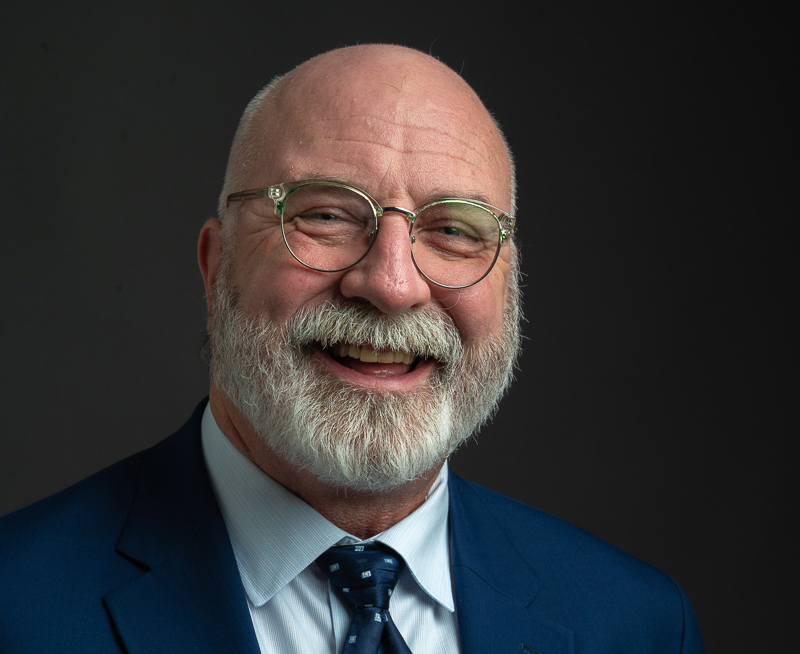
Mark Wingfield
This case, we learned, concerned a man accused of making oral contact with the genitalia of a child under 6 years of age. That’s all we knew, except for a few other hints dropped during the three hours of voir dire — the process of jury selection you’ve likely seen on TV.
There were 77 of us in the jury pool and I, thankfully, was juror 62. That meant the likelihood of the attorneys striking enough jurors ahead of me to put me in the jury box was highly unlikely. And yet like all those around me, I had to sit through the speeches and questions from the judge, the prosecutor and the defense attorney. We stared at the defendant, who was seated facing us. Microphones above recorded our every word, as did the court reporter seated near us.
Toward the end of the defense attorney’s time, he asked all 77 of us if there were any extenuating circumstances about us, our lives, our families or careers he ought to know. I raised my hand: “I’m a journalist who covers child sexual abuse regularly.”
“That’s definitely important to know,” the attorney acknowledged as he scratched a mark next to my name on his clipboard.
I’ve been called for jury duty maybe a dozen times in the 27 years I’ve lived in Dallas County. But only once did I make it this far into the selection process. So I just knew I’d be set free before the 11:30 luncheon, which was about 5 miles away. But no. And somehow, I was OK with that. Because if we are not willing to participate in the legal process, we cannot complain when justice isn’t served.
“We were a group straight out of central casting — a mix of races, genders, ages, languages and backgrounds.”
As an amateur sociologist — something all good news reporters ought to claim — I soaked in all the scene, all the people, all the commentary, all the questions. Nothing that happened in that five-hour period was random. Everything had a meaning and a message.
It wasn’t coincidental that the prosecuting attorney casually told us she had just returned from maternity leave. And it wasn’t coincidental that the defense attorney matter-of-factly told us he volunteers on his child’s athletic team as the person in charge of child safety protocols.
Voir dire is as much about building credibility with the 12 jurors who will be selected as it is assessing our fitness to serve as jurors.
What fascinated me most was the uncanny diversity of the 77 of us in the jury pool. We were a group straight out of central casting — a mix of races, genders, ages, languages and backgrounds. The defense attorney thought there was an unusually large number of teachers in the group, but I didn’t think so, given that teachers make up between 3% and 4% of the American workforce.
There was something unusual most of us had in common, however. When one of the attorneys asked how many of us had been the victims of sexual abuse, had a family member who was sexually abused or had friends who had been abused, three-fourths of the hands went up. This random, diverse group of Dallas County residents was all-too-acquainted with sexual abuse.
When we were asked if any of us had personal issues with the case we could not speak out loud before the group and needed to tell the judge privately, at least a dozen hands went up. Potential jurors began to weep. Some could not answer the questions because of their tears. At least two in the jury pool told us they have family members currently going through sexual abuse cases themselves.
“Time after time, every person in the jury pool demonstrated they understood a lot more than you might anticipate.”
Over and again, the attorneys peppered us with questions about what we knew about child sexual abuse, about grooming, about why children sometimes don’t report abuse for years, about who is a “typical” perpetrator. And time after time, every person in the jury pool demonstrated they understood a lot more than you might anticipate.
I made a mental note then to write this column because it is important to understand that most Americans understand what child sexual abuse is and how it happens. We are not ignorant, as some would have us believe. We know this is real. We know it is awful. We just don’t want to talk about it unless we are forced to.
Here’s a second data point from jury duty today: The presiding judge in this case is a former Dallas County district attorney who is a high-profile figure in the city and county. She asked all 77 of us if any of us knew her or the attorneys or the defendant. The No. 1 response people gave in answer to her question was they knew her because they go to church with her.
So let’s piece this together in conclusion. Among the representative sample of 77 Dallas County residents in my jury pool, not only were there fellow churchgoers with the judge, there were ministers, church musicians, church teachers and more. This being Dallas, the church was well represented in the room. And among the 77 people in the jury pool, not a single one was ignorant about the nature, causes and pain of child sexual abuse. And 10% of the group told the defense attorney they were ready to convict his client before any evidence was presented because they believe if a charge gets this far along, the accused has got to be guilty.
Why, then, do churchgoing people have such a hard time acknowledging the documented cases of child sexual abuses in their churches? Why do churchgoing people turn a blind eye to the documented child sexual abuse at Kamp Kanakuk and still send their children there without blinking? Why are denominational structures not held accountable for addressing the epidemic of child sexual abuse in religious settings?
BNG’s Mallory Challis has produced an outstanding podcast series on the abuses and coverups at Kamp Kanakuk, and the most common response I’ve heard from our normal audience is they can’t bear to listen to it because it’s too painful. Downloads of that podcast have dropped with every episode, not because it lacks quality or interest — but because listeners do not want to hear the testimonies.
I get it. Like 76 others today, I would have rather been at a luncheon celebrating our victories addressing child sexual abuse. But someone has to be in the courtroom for the luncheons to happen.
Hopefully it won’t take a jury summons for you to do your part.
Mark Wingfield serves as executive director and publisher of Baptist News Global. He is the author of the book Honestly: Telling the Truth About the Bible and Ourselves.
Related articles:
CBF session explores responses to sexual abuse in congregations
New BNG podcast tells the stories of Kanakuk abuse survivors
Building a world without sexual harm — one small act at a time | Opinion by Rhys Turner-Moore