



As a former public access TV producer, I have a certain affection for low-budget documentaries. Filmmaking often is an expensive medium, and high-profile documentary filmmakers use all the same tricks and tools as blockbuster directors to great ends. They can afford to rent expensive cameras and hire professional video editors to make the kind of dramatic and exciting documentaries you find on Netflix and HBO.
The amateur documentarian often works with something far more raw and less cohesive but is able to capture something immediate and intimate that may not get the attention of a larger filmmaker. They can go out into a community and do the work of a local journalist, knowing the journalist’s truth to everyone has a story.
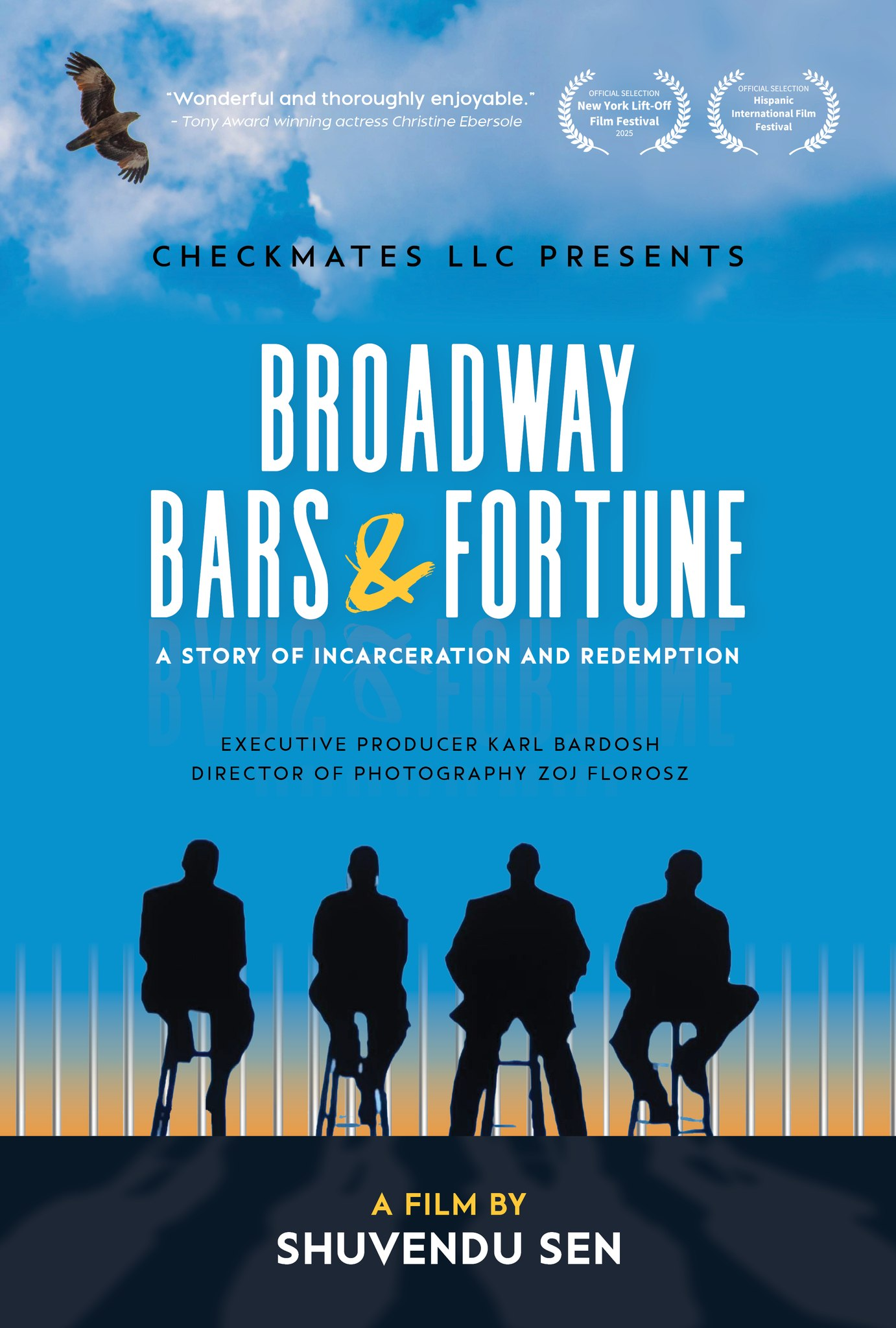 Such is the case for Broadway, Bars and Fortune, a very low-budget-looking documentary that appears to have been edited in iMovie, with production values on par with a YouTube documentary. However, its intimate smallness captures a larger tale of healing and transformation set against the excesses of the American justice system.
David Rothenburg is a man who has experienced the heights of Broadway excellence. He’s worked with Hollywood stars, including Richard Burton and Elizabeth Taylor, but chose in 1967 to shift his career toward making an impact on the justice system through his reentry organization known as the Fortune Society in New York City.
Drawing its name from the 1967 play Fortune In Men’s Eyes, it explores the group’s staging of a touring four-man off-Broadway show called The Castle, in which four real ex-convicts with 70 collective years of experience in prison share their harrowing life stories, falling into crime, incarceration, alienation and struggling to build their lives on the other end of it — in what one of the four performers calls “the untold American story.”
Ruthenburg describes his passion for the organization coming from his experience visiting Rikers Island for research and seeing the boredom of boys in juvenile detention. He ultimately came to view the existing justice system as counterintuitive, alienating and incapable of preventing recidivism.
“How are they going to be better as a result of this experience?” he asks. “It feels like an exercise in futility. … There’s nothing more gratifying than the response of the audiences. When we do it in prisons or drug programs, it’s overwhelming. The men and women are seeing their lives, their journeys, their drama, their traumas.”
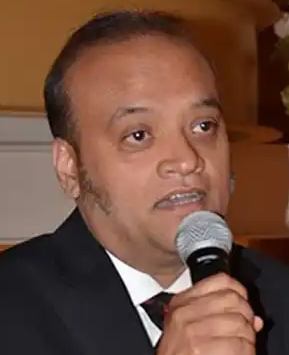
Shuvrndu Sen
The project’s director, Shuvrndu Sen, is a renowned community activist, public speaker and author of Why Buddha Never Had Alzheimer’s, whose formal training is that of a physician. But from that experience, Sen draws upon a deep well of spiritual transformation and social awareness to capture the ways the arts can be healing.
I can’t speak to his experience as a filmmaker beyond saying he’s prescient in finding compelling stories.
Those stories the film tells with its limited 40-minute runtime are short but harrowing, giving us a small window into the lives of these four men and women in recovery, many of whom have dozens of arrests or had to start their adult lives at an advanced age. These folks have run the gamut of life, suffering multi-generational poverty, divorce and addiction, but were inspired through the arts to rebuild their lives on the other end of it.
When these four men and women — Philip Hall, Casimiro Torres, Ervin Hunt, Vilma Ortiz Donovan — explain their stories, the film’s production values melt away, and their powerful experiences break through. It becomes hard to look away as they explore the wrenching depths of life at its lowest and scariest and still come out on the other end of it as better people.
“As a physician deep into advocacy, I always had an interest in our flawed prison system and became affiliated with New Jersey Reentry Corporation, under former governor of the state of New Jersey Jim McGreevey, that addressed such issues,” Sen said in a statement to BNG. “I came in touch with David Rothenberg, founder, Fortune Society, through the governor and immediately took an interest in its unique mechanism of using arts and theater in the rehabilitation process of the formerly incarcerated.”
Broadway, Bars, and Fortune is still touring the film festival circuit, having recently screened at the Hispanic International Film Festival and the New York Lift-Off Film Festival. The documentary will become available to view on various digital platforms in the near future, following its festival run.

Tyler Hummel
Tyler Hummel is a Wisconsin-based freelance critic and journalist, a member of the Music City Film Critics Association, a regular film and literature contributor at Geeks Under Grace, and was the 2021 College Fix Fellow at Main Street Nashville.