



The editor of Riforma, an Italian-language newspaper published by and for Baptists, Methodists and Waldensians in Italy, invited me to contribute a front-page article for this week’s edition sharing my perspective on recent events in the United States. This is what I wrote, prior to its translation into Italian.
I am writing this dispatch from the body of Christ in the United States of America at the beginning of the season of Epiphany. Among the many themes associated with Epiphany is revelation. It marks the appearance of God’s revelation in Christ to the Gentiles represented by the Magi and to the Jewish people of God through the baptism of Jesus.
The word “epiphany” itself comes from a Greek word that means “a shining upon,” “a casting of light on something,” which is what God’s revelation does. It shines a light that helps our eyes see things about God and God’s world and ourselves we would not be able to see apart from the light God shines upon them, making them visible to us.
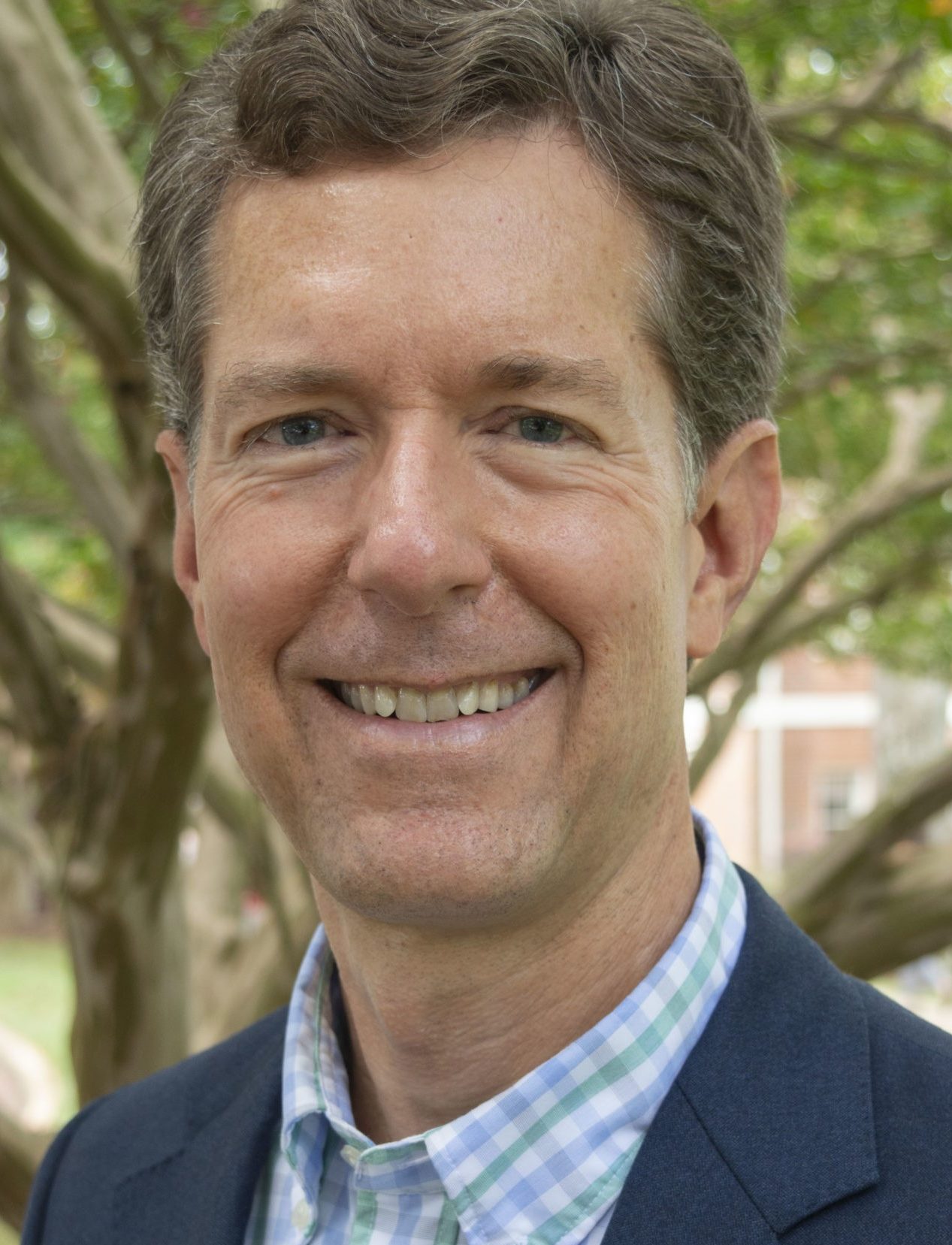
Steven Harmon
“Seeing” in the sense of what God helps us see is not merely taking notice of what exists or what has happened. What God helps us see are the “more than meets the eye” connections of events to the reign of God — the big thing God is doing in the world to draw the world ever more fully toward God’s creative intentions for it. Divine illumination also helps us see the “more than meets the eye” connections of events to what is opposed to the reign of God and its fuller realization.
This Epiphany season already has revealed much to American Christians who are open to receiving what God’s light discloses. At the very least, much has happened in the space of a few days that should lead American followers of Jesus to seek light for the way forward.
Three days before the Epiphany, American forces invaded Venezuela, captured President Nicolás Maduro along with his wife, Cilia Flores, and took them to stand trial in the U.S. When he spoke about the action in Venezuela, U.S. President Donald Trump began mentioning the possibility of similar actions against Cuba, Colombia and Mexico; he also mentioned yet again his belief that the United States needs to acquire Greenland for reasons of national security.
Epiphany coincided with the fifth anniversary of the January 6, 2021, insurrection in which pro-Trump protesters invaded the U.S. Capitol with the intention of stopping Congress’ certification of Joe Biden’s victory in the presidential election. When Trump was re-elected and again took office in January 2025, on his first day in office he pardoned all those convicted of crimes in connection with the invasion of the Capitol. On January 6, 2026, a new official government website was launched that presented a revisionist history of the attack five years earlier, blaming what happened on Democrats and Capitol police rather than the insurrectionists.
“Christians throughout the nation lived out their remembered baptismal vows by showing up to protest this act of injustice.”
The next day, on January 7, an agent of U.S. Immigration and Customs Enforcement killed Renee Nicole Good, shooting her three times in the face as he stood beside her automobile while Good was driving away from where she and her wife had been observing the actions of ICE agents in their neighborhood. Good’s last words to the agent were “That’s fine, dude. I’m not mad at you.”
The agent’s words immediately after shooting her were “F***ing bitch!” Soon thereafter, Trump, Director of Homeland Security Kristi Noem and Vice President JD Vance characterized as a “domestic terrorist” the 37-year-old wife and mother who was in fact a Christian, had participated in church mission trips to Northern Ireland and had written prize-winning poetry highlighting how the Bible and other sacred texts moved their readers to “make room for wonder.”
On January 8, political historian Heather Cox Richardson released a brief explainer video titled “It’s Time to Talk About Fascism,” and on January 11, she issued a short video titled “The Week the US Formally Embraced Fascism” excerpted from a discussion filmed the previous day.
January 11 happens to be Baptism of the Lord Sunday. While the past several days had revealed much opposition to the community-making work of God, including defense of these actions by people who claim the name of Christ, they also revealed a robust response by Christians who remembered their commitments made in baptism.
Live television coverage of a protest at the site where Good was killed on the morning after her killing displayed to the world a multitude of clergy clad in robes and colorful stoles who were being the presence of Christ in that place. Christians throughout the nation lived out their remembered baptismal vows by showing up to protest this act of injustice, and they are making their voices heard in other ways.
As the current U.S. administration continues this turn toward authoritarian rule, I hope our sisters and brothers in Italy — who have had their own historical experience of a fascist regime and have offered faithful resistance to far-right movements today — will pray we might remember our baptisms and walk in the light God shines on our path.
This article was originally published in Italian in Riforma and is published here in English by permission of the editor.
Steven R. Harmon serves as professor of historical theology at Gardner-Webb University School of Divinity in Boiling Springs, N.C. His most recent book is Encountering Pope Leo XIV: Baptist Reflections on the Beginning of a Pontificate.