

My daughter, a student-athlete at a Baptist university, called me about a problem with her softball teammate. The head coach made an announcement canceling Monday’s practice due to the Martin Luther King Jr. holiday. A teammate said, “Thank you, Martin Luther King Jr., for whatever you did.”
This statement pushed my daughter’s buttons. I heard the frustration in her voice when she said, “Why would you say that?”
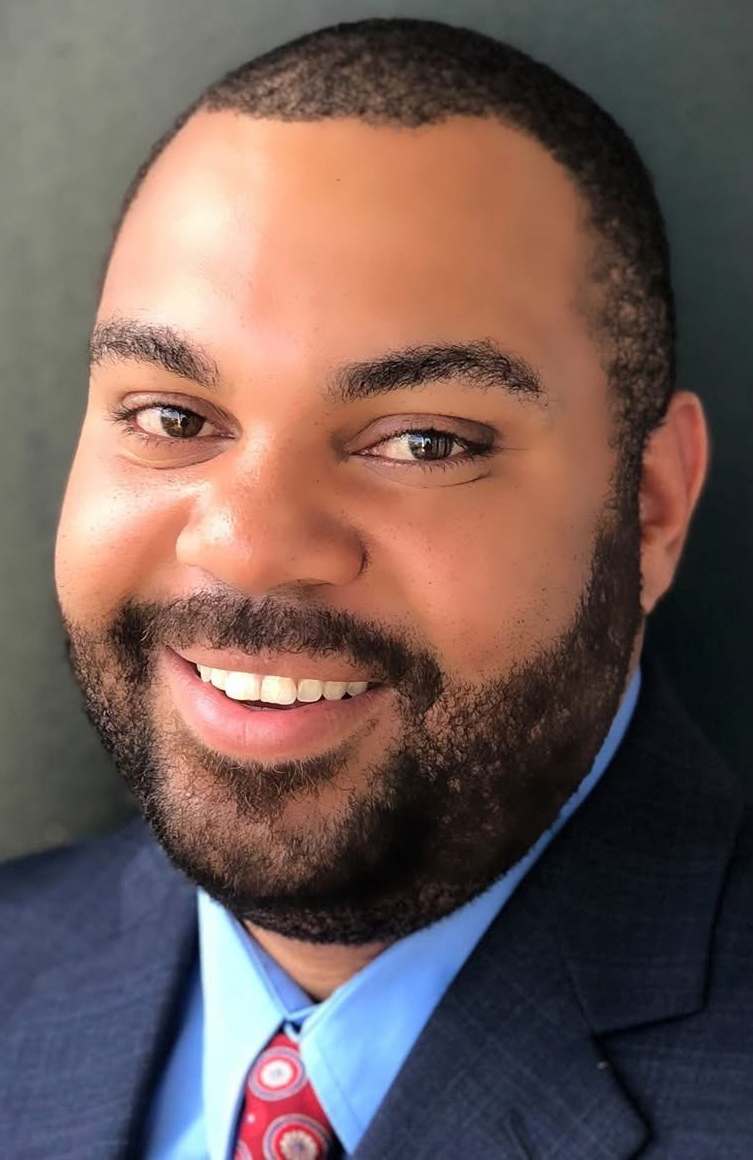
Jesse Nelson
The conversation with my daughter circled around my mind as I flew back home. My thoughts landed on the same question my daughter asked, “Why would you say that?” Was her teammate actually ignorant of what King did or was she intentionally trying to be offensive?
The teammate’s statement made me ask myself, “Why should we remember Dr. Martin Luther King Jr., and what did he do worth remembering?”
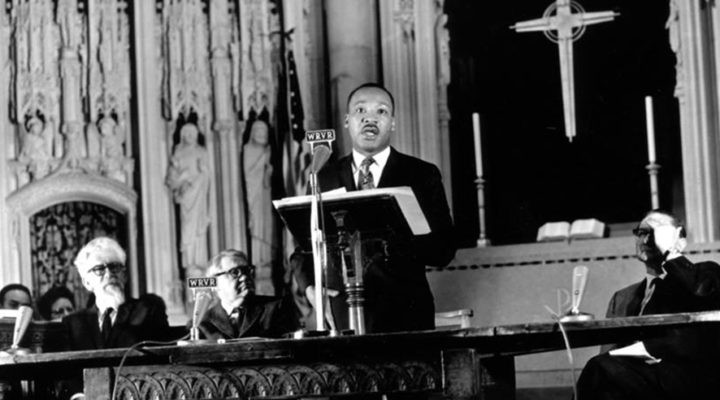
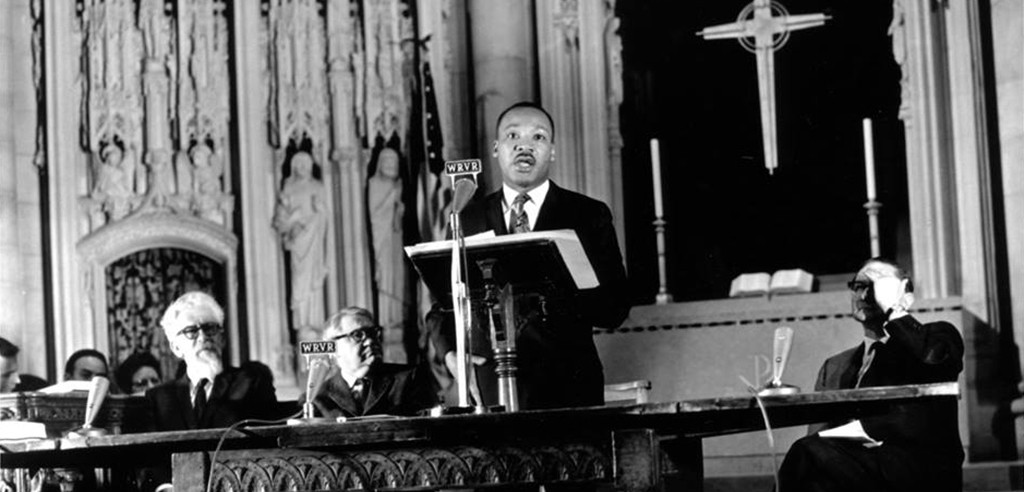
King was a Baptist pastor before he became a Civil Rights leader. He used the pulpit to preach Christ’s message of love, compassion and sacrifice. In the sermon “On Being A Good Neighbor,” King said: “The ultimate measure of a man is not where he stands in moments of comfort and convenience but where he stands at times of challenge and controversy. The true neighbor will risk his position, his prestige and even his life for the welfare of others. In dangerous valleys and hazardous pathways, he will lift some bruised and beaten brother to a higher and more noble life.”
“Our love and compassion are not measured by our words but by the willingness to sacrifice our position in life to help others.”
This sermon emphasized the love, compassion and sacrifice of the Good Samaritan from Jesus’ parable in Luke 10. King‘s message reminds us our love and compassion are not measured by our words but by the willingness to sacrifice our position in life to help others. We should use our platforms to pick others up, not push them down.
In addition to King’s message, his method of nonviolent protest against the evil prejudices, discrimination, economic disparity and systemic racism in the United States was a pillar of the Civil Rights Movement. King said: “Nonviolence is the answer to the crucial political and moral questions of our time: the need for man to overcome oppression and violence without resorting to oppression and violence. Man must evolve for all human conflict a method which rejects revenge, aggression and retaliation. The foundation of such a method is love.”
King’s nonviolent response to hate changed our nation.
The bus boycott in Montgomery was a catalyst for integration, and the March on Washington for Jobs and Freedom led to the landmark legislation of the Civil Rights Act of 1964 and the Voting Rights Act of 1965, which “prohibits employment discrimination based on race, color, religion, sex and national origin” and protected Black citizens’ constitutional right to vote by outlawing “the discriminatory practices adopted by many Southern states after the Civil War.”
So why should we remember Martin Luther King Jr.? In 39 short years, King demonstrated how to love our enemies and pray for our persecutors. It is certainly easier said than done; however, since he did it, we can do it too.
Let’s remember King’s life and legacy by living out his message of love, compassion and sacrifice and changing our society through nonviolence. Instead of repaying evil with evil, let us “overcome evil with good.”
Jesse Nelson serves as senior pastor of Macedonia Missionary Baptist Church in Panama City, Fla., and as part-time professor for Meachum School of Haymanot and Nile Theological College (South Sudan). He holds a master of divinity degree and a doctor of ministry degree from New Orleans Baptist Theological Seminary and Ph.D. in practical theology from Stellenbosch University. He is the author of Preaching Life-Changing Sermons.