


Vice President JD Vance calls himself “pro-life.” At the recent March for Life, he spoke with moral certainty about the sacredness of unborn life, warning that neutrality in the face of vulnerability is a moral failure and insisting a nation reveals its soul by how it treats those who cannot protect themselves.
It was a speech framed in absolutes, drawing a bright line between life and death, dignity and disposability. Vance praised the work the Trump administration has done in support of anti-abortion policies for unborn lives. He presented the “pro-life” cause not simply as a policy position, but as a test of national character.
That moral clarity, however, invites scrutiny beyond the issue of abortion itself. Vance’s own framework raises an unavoidable question: If a nation’s soul is revealed by how it treats the vulnerable, how should we assess the administration’s approach to immigration?
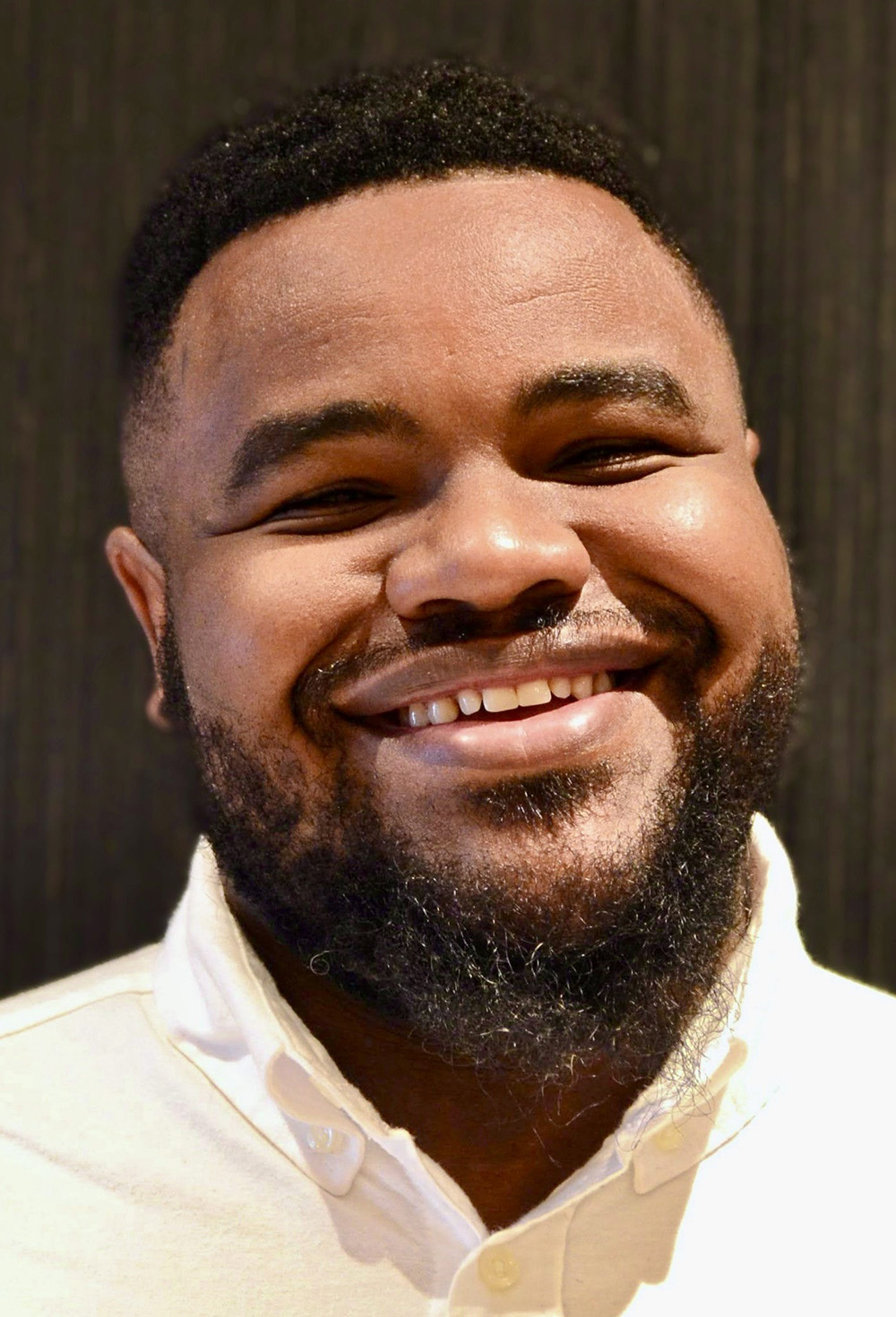
Braxton Wade
In recent press conferences, Vance has repeatedly defended U.S. Immigration and Customs Enforcement as it currently operates, even as the administration has advanced arguments for expansive authority and broad immunity for immigration enforcement officers. This defense comes amid continued reports of deaths in ICE custody, the separation of families and an enforcement system that treats suffering not as a policy failure but as an accepted mechanism of deterrence.
Vance is correct that neutrality is not an option. He has made a choice. It is a choice to wield state power in ways that detain, endanger and, in some cases, kill vulnerable people, all while invoking “moral clarity” on the sanctity of unborn life. When placed alongside the rhetoric of his speech at the March for Life event, this is not a peripheral inconsistency. It is a fundamental contradiction.
That contradiction becomes harder to ignore when the conversation moves from abstraction to names — Alex Pretti, Renee Good and countless others whose deaths occurred during immigration enforcement actions or in government custody, often without public acknowledgment or sustained moral outrage. These lives are not footnotes to a policy debate. They are human beings who died under the authority of a system now being publicly affirmed by leaders who claim to champion a culture of life.
“A pro-life ethic that demands moral absolutes in one arena while tolerating death in another seems to narrow the very vision it claims to uphold.”
Vance’s warning about neutrality echoes a long Christian moral tradition, one that insists indifference in the face of suffering is itself a form of complicity. The biblical prophets did not only condemn overt cruelty; they condemned societies that learned to live with it. By that standard, defending an enforcement regime that accepts preventable death as collateral cannot be dismissed as morally neutral or politically unavoidable.
For Christians, this tension is not about party or policy. It is about what we believe God is like. If the sanctity of life is rooted in the belief that every person bears the image of God, that image does not dissolve at the border, disappear in a detention facility or evaporate with legal status. Christian theology does not allow for a hierarchy of human worth based on citizenship.
A pro-life ethic that demands moral absolutes in one arena while tolerating death in another seems to narrow the very vision it claims to uphold.
To be clear, both major parties have struggled to articulate immigration policies that honor human dignity without collapsing into cruelty or chaos. But Vance’s speech at the March for Life and the actions of the Trump administration invite particular scrutiny precisely because of their moral absolutism. When leaders speak in sweeping theological terms about life and civilization, those claims cannot be selectively applied.
In the end, the question is not whether the Trump administration values life in the abstract. It is whether they are willing to reckon honestly with the lives lost in its care, to name them, to mourn them and to interrogate the policies that made their deaths possible.
A culture of life worthy of the name cannot stop at birth, nor can it end at the border. A nation’s soul is revealed not only in what it claims to defend, but in whose suffering it refuses to accept as necessary.
Braxton Wade is a Clemons Fellow with BNG. He is a graduate of the University of Richmond and Chicago Theological Seminary and lives in Richmond, Va.
Related articles:
We do not know all the names | Opinion by Braxton Wade
Here’s how JD Vance twists the tale | Opinion by Mark Wingfield