

I was in Minneapolis the week Alex Pretti was shot more than 10 times by Customs and Border Patrol Agents. I originally went to Minneapolis to write about the aftermath of Renee Good’s murder by an ICE agent.
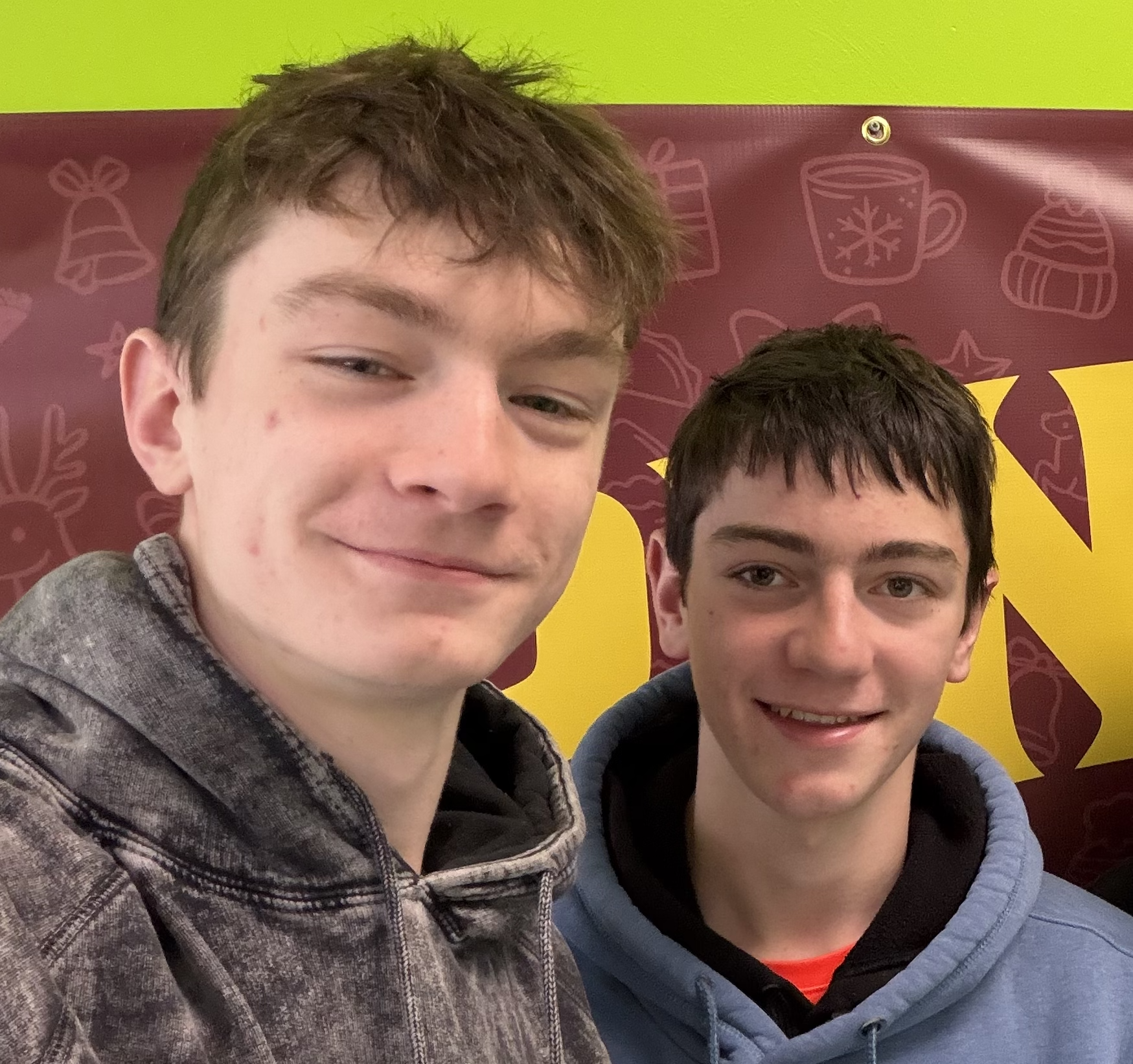
As I prepared to go, I connected with Ben and Sam Luhmann, high school students from outside Chicago. Having spent months doing rapid response work in Chicagoland following the government’s “Midway Blitz,” the day after Good was killed they traveled to Minneapolis where they have extended family.

Mara Richards Bim
Ben (17) and Sam (16) helped Minneapolis organize that community’s response to the government’s military-style assault there. The duo captured some of the most shocking footage of “Operation Metro Surge.”
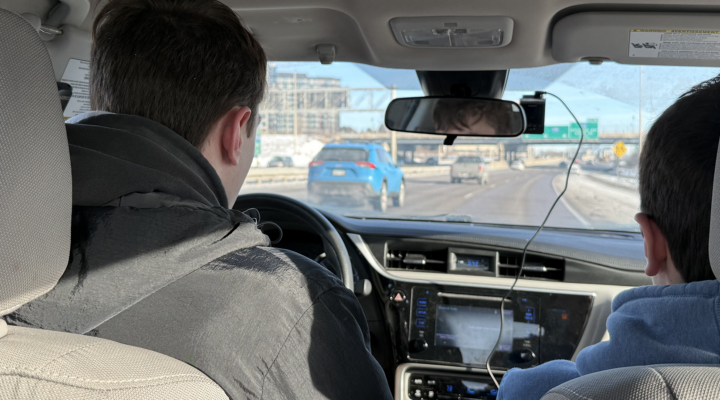
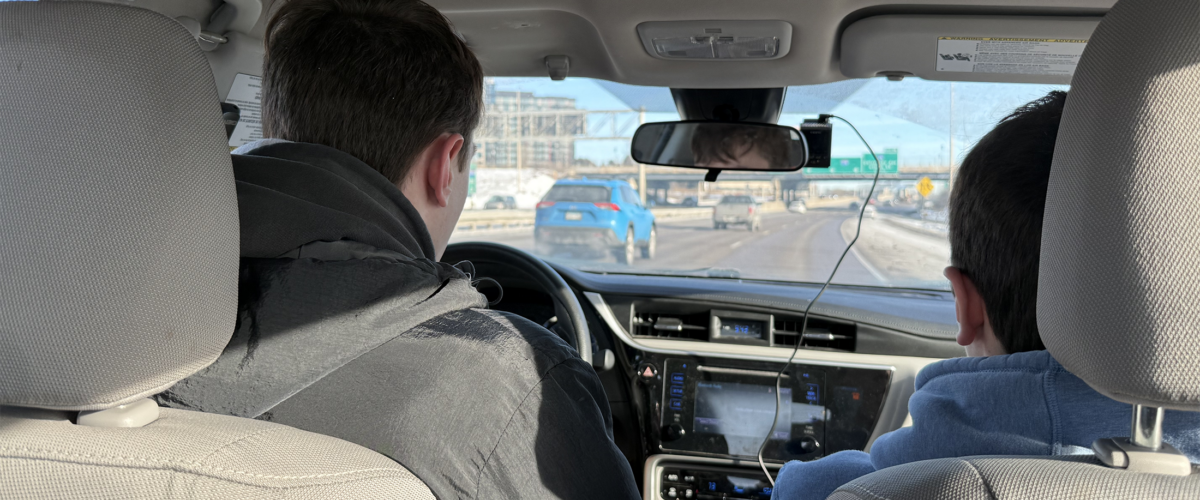
Once I landed on the ground in Minneapolis, I did a ride-along with Ben and Sam. I’ve stayed in touch with them since.
What follows are two conversations. They have been edited for length and clarity.
The first is with Ben and Sam recorded Jan. 15 on the eve of my trip to the Twin Cities. There’s something especially poignant in revisiting our conversation about the violence they witnessed after the shooting of Renee Good, but before the shooting of Alex Pretti. The second conversation is a follow-up with Sam Feb. 4 after the brothers returned home.
The Luhmann boys are getting a lot of media attention now — and rightfully so. My conversations with them remind me we all have a part to play in the fight against ICE. Our children are watching how the adults respond to the moment. And, in many cases, they are leading the way.
January 15 — 8 days after the murder of Renee Good
Mara Richards Bim: How are y’all doing?
Sam Luhmann: Doing all right. Today’s been low key. After the protest yesterday, two … three federal agent vehicles were found abandoned. I think some of them were FBI and some of them were ICE. But anyway, some of the leftover crowd kind of raided the vehicles and one person stole the weapons from the backs of the vehicles.
MRB: Oh, wow.
Sam: So ICE and HSI (Homeland Security Investigations) and the FBI closed off a giant perimeter and stormed a house and took the weapons back and arrested the people who had taken them. So they’ve kind of had their hands full today and we haven’t really seen a ton of ICE action in South Minneapolis. So it’s been more of a low-key day for us and not for them, but —
 Ben Luhman: Which was great because we were up late last night — got out with like pepper balls and stuff.
Sam: I got hit in the head with an exploding flashbang.
MRB: Whoa. So are y’all wearing helmets and gear out there?
Sam: When we know tear gas is gonna happen, like when there’s big clashes or pepper balls, we wear like goggles just for eye protection and then respirators and like just a hoodie to kind of protect your head. I had three hoods on last night, or four. It was like my coat and three jackets just to make sure. It was like 5 degrees out too.
MRB: I did not look today to see, but did you guys upload your footage to the drive from yesterday?
Ben: Yeah, we did. It’s a lot of exploding things.
Sam: It seemed like a firework show going right where we were at ground level.
Ben: Yeah. And on the other side of the block — right on the other side of the road probably 700 feet down the way — there was another line of ICE with another line of protesters. I think one of them was possibly throwing fireworks at them.
Sam: That was kind of scary because we kind of eventually got to that side, and then while we were there one last firework was thrown. Holy crap, those things are scary up close! I don’t love that protesters do that. I like that they’re there and like they’re yelling and showing their presence and showing that they care, but when they start to get super loud like that, it just makes everybody more scared. And I think just more stressed, which doesn’t help the situation.
Ben: Yeah.
“Minnesota has been the most intense I’ve ever seen it.”
Sam: And gives them (ICE) a reason to come in bigger force.
MRB: I know today was less intense. Up until today, has it been a similar intensity or increasing in intensity?
Ben: Minnesota has been the most intense I’ve ever seen it. I think that’s something Sam and I can attest to. It is like Midway Blitz was what we thought was bad. And it was, it was horrible. Minneapolis is so, so, so much worse. And I didn’t realize it could get that much worse. But this week has been pretty consistently not good. I don’t think it’s necessarily gotten worse while we’ve been here. We’ve been now tear gassed three days in a row. But I think that was just kind of being at the right place at the right time. And also they get out of their cars and they want to be tear-gassing somebody. So they’re waiting for a crowd to show up, and they’re waiting for somebody to throw the first piece of snow.
Sam: It’s funny that they’ll get the snowballs thrown at them, so then they’ll release nonlethal weapons.
MRB: So were you guys doing these patrols in Chicago?
Ben: Yes. Since Sept. 15 every day.
MRB: You said it was bad, but that it’s worse in Minneapolis. What is it that makes this situation worse?
SL: A lot more agents are out here. Like, just the sheer number makes it so much different. And we also have a smaller population here in Minneapolis. But also just the aggression and violence is stepped up, it seems. And the tactics are even more dangerous.
Ben: We had I think at most 300 agents in the Chicago area during Midway Blitz. And now I think the count in Minneapolis is to around 4,000. And so it’s the increase in agents and, yeah, the increase in aggression.

US Border Patrol agents detain a person near Roosevelt High School during dismissal time as federal immigration enforcement actions sparked protests in Minneapolis on January 7. (Photo by Kerem YUCEL / AFP via Getty Images)
Sam: They’ll stop at bus stops, jump out of their vehicles, tackle somebody to the ground — in some cases knocking them out — and then carry them, put them in their cars and drive away.
Ben: And then randomly we’ll see them drop people off after they’ve taken them and realized they’re actually here legally. And they were filmed taking somebody who’s here legally and they need to drop them off.
MRB: Are you looped into a watch group or a neighborhood group?
Ben: In Chicago, Sam and I led some of the groups in the suburbs. And then, yeah, we’ve joined a lot of groups here in the Twin Cities.
MRB: Are you ever scared, or have you been scared by anything there?
Ben: Yes, I have.
“Whatever they can do to us, they can do a hundred times worse to some of the detainees.”
Sam: Yeah, but honestly, it is what it is. And whatever they can do to us, they can do a hundred times worse to some of the detainees.
Ben: Yeah.
Sam: We get to be released and a lot of times when protesters are detained, they aren’t even brought to the area where immigrants are detained.
Ben: Oftentimes once we’re out of our car and interacting with them, it’s less being scared in the moment and more being scared in the anticipation. And afterward just realizing the severity of it. I feel like when you’re in the moment, your adrenaline kicks in and you’re just kind of not fighting for your life because you’re not physically fighting anybody, but just mentally trying to stay as on top of it as you can. Trying to always be watching the situation. Trying to always figure out where you should be to be in the safest place and keep everything legal. But I think definitely — like when I go to bed at night — I definitely lose sleep thinking about how terrifying this stuff is. And how it seems to have swept America by storm and so many people aren’t out fighting it.
MRB: What are you doing to take care of yourselves?
Ben: I’m a big fan of video essays. I love watching video essays about random, nerdy subjects. Sam’s big into fishing. He’ll fish any day he can.
Sam: Recently though up in Minneapolis we’re with our aunt and uncle and two younger cousins. So I’ve been, at the end of the day, either just reading things on my phone or playing card games with my younger cousins. So that’s been fun.
Ben: We’ve been playing a lot of Skip-Bo.
MRB: Oh, classic.
Ben: And they also have two cats. So I’ve been holding one of their cats. I feel like it’s decompressing. I’ve realized over this trip that I think I’ll probably end up owning a cat at some point.

Federal immigration officers get in a car as they prepare to deploy tear gas at a protest, Monday, Jan. 12, 2026, in Minneapolis. (AP Photo/John Locher)
MRB: So how long do you guys plan to stay there?
Sam: We’re kind of doing it day by day. We’re in here for the long run.
Ben: I’d love to go home. But my want to stay here fighting outweighs that right now.
Sam: When we’re monitoring and documenting, we’re just two extra people. But we’re able to build these media connections and raise awareness. I feel like that’s where we’re kind of the most helpful.
Ben: And we have so much training and experience that in some of these situations, people don’t really know necessarily what action to take. Sam and I can kind of help with that. Like, identifying — oftentimes ICE will use vehicles without any license plates. So getting their VIN numbers is helpful. Getting anything in the windshield that’s identifiable is helpful. Really any info you can get. There was somebody — it was actually in AP news recently — somebody was taken from their car, a patroller. It was two people. After that moment there was a bunch of press there and there were a bunch of patrollers, and nobody knew what to do. So I just started searching their car trying to find any info about them that we could. Then somebody who knew them personally showed up and was able to handle that.
MRB: Have you seen agents pull their guns on anybody else?
Sam: Yeah, they often have guns out. I have not personally seen them point a gun at somebody here in Minneapolis. I have seen that in Chicago.
MRB: I’m curious given the murder of Renee Good.
Sam: I think almost every agent has one on their waist.
MRB: What is the feeling on the ground about Renee Good’s murder and whatever is happening behind the scenes?
“The news seems stuck on Renee Good, but there’s so many other things that are really bad out here.”
Sam: Everybody knows people who are being taken daily. People are getting picked up and tackled and stuff. So honestly, the news seems stuck on Renee Good, but there’s so many other things that are really bad out here.
Ben: Although it seems like there’s a weight over the city after that. You pass by businesses and they have “Renee Good, American mom murdered by ICE” giant posters on the side of their walls. I’m not expecting anything good to come from any investigation. They’re going to just try to cover anything up and they’ll make up their facts and a lot of people will believe it. And that’s going to be sad because we have so much video and so much evidence. And, I mean, so many people will just accept what they’re told.
I feel like I’m so disillusioned by the media and our government in these types of situations that I’m not even expecting anything at this point. It’s sad, but I don’t expect anything. It still hurts.
MRB: So obviously you’re high school students. Are you guys interested in working in media?
Sam: I really like biology and science. I’m big into the outdoors and have no interest in the political or worldly media. I really like fishing and being outside. I want to do some photography and maybe videography around that.
Ben: And my hobby that takes a lot of my time normally is music production and songwriting. I’ve always wanted to do music in some sort of way, either releasing music myself or working behind the scenes as a producer or backtracks for video games or cinematography. I’m not even sure yet what that would be.
MRB: If you had a message you wanted to say to people right now in this moment, what would it be?
Sam: Honestly, it would be that Minneapolis is worse than any other city right now. Like, it’s being hit way harder than anywhere else, and people really can do something about it.
Ben: Yeah. And I think I’d highlight that the arrests we watch and the videos we see are real people and real human lives. And we go from one video to the next article to the next thing, and I think we forget that it is actually happening and we need to remember the severity and we need to fight like our lives depend on it because for a lot of people they do.

Images of Alex Pretti assisting a woman and then being attacked by ICE (screencaps)
Follow-up with Sam, Feb. 4 — 11 days after the murder of Alex Pretti
MRB: What’s it like to be home now?
Sam: Honestly, it’s been kind of weird to still hear what’s happening out there and not be there to do anything. But it seems like it’s calming down after the shooting of Alex Pretti.
MRB: I was going through the interview I did with you guys before I traveled to Minneapolis, and we talked about what it was like after Renee Good was shot. I’m wondering if you have any reflections on what it’s been like after Alex was shot.
Sam: With Alex Pretti it seemed like it caused more public outrage because he wasn’t in a car and there wasn’t any way to justify it. And so immediately after that, ICE and Border Patrol were showing up less. I mean you’d still see cars, but it seemed like they were making less detainments too, at least in South Minneapolis. And now today we’re hearing that 700 additional agents are leaving. So it seems like they’re trying to wind down operations.
MRB: I’m sure you’ve seen the videos of his murder. Do you have any thoughts about any of it?
Sam: Not really. I think it’s just crazy to see the contrast between those videos and what DHS officials have said about the shooting. It’s so obviously false when you watch the video and then hear Kristi Noem say he brandished his weapon. And in all the videos you can clearly see that never happened. And then (Greg) Bovino said he came there to massacre agents. And again, we never see that in any of the videos. The fact that so many people are willing to believe them and not look at the videos and see for themselves what really happened is wild.
MRB: How are you? How are you feeling?
Sam: I feel tired.
MRB: What have you been doing since you got home?
Sam: Lots of schoolwork and hanging out with some friends and stuff.
MRB: What’s Ben been up to?
Sam: He’s been working on helping organize groups out in Minneapolis still. I think he’s also been getting a bunch of schoolwork done. And it’s been a lot of media connections that we’ve had to be working on.
MRB: I was going through your earlier interview and you talked about how you really wanted to raise awareness, and I think you guys have really done that. I just hope you know you guys made a difference.
“Educate yourself and do something to make change.”
Sam: Yeah. It seems like with everything ICE is doing, it’s getting less popular, which is kind of our goal. But I don’t know, it’s going to be interesting to see when people actually decide to make it stop. Did you hear about Ohio? TPS was going to be revoked from Haitian immigrants starting Tuesday. So yesterday, I guess, a judge blocked it and basically said, “You can’t do that. It’s still dangerous.” So they now can’t round up all these people they were about to remove status from. But ICE already has booked hotels there — ICE and Border Patrol. I don’t know if they’ve canceled hotels or what the plan is.
MRB: Interesting. One of the questions I asked you guys the last time we spoke is if you had a message for the rest of America. And so now that you’re back in Chicago and after everything you experienced in Minneapolis, I’m wondering what your answer would be to that now.
Sam: Educate yourself and do something to make change. You can’t just decide that what’s happening is wrong and then do nothing. I think we need more people on the ground either patrolling or helping out with a local food pantry or delivering groceries to neighbors. Just do something to make the situation better and either slow ICE down or document them for the future.
MRB: Do you have any thoughts speaking to Christians specifically about this moment?
Sam: Don’t ignore this. I feel like it’s so obviously wrong and hateful and I think more people should be openly against it. And you can do that in a loving way. We aren’t out to hurt anybody; we just don’t want people being hurt through these operations. I think a lot of people tend to ignore it. They’ll say, “Well, I’m not political.” But in this case, it seems like it shouldn’t be political at all because people are being traumatized and it’s causing so much fear. This seems more like a humanitarian issue than a political issue. More Christians need to do something about it and stand up for what’s right.