

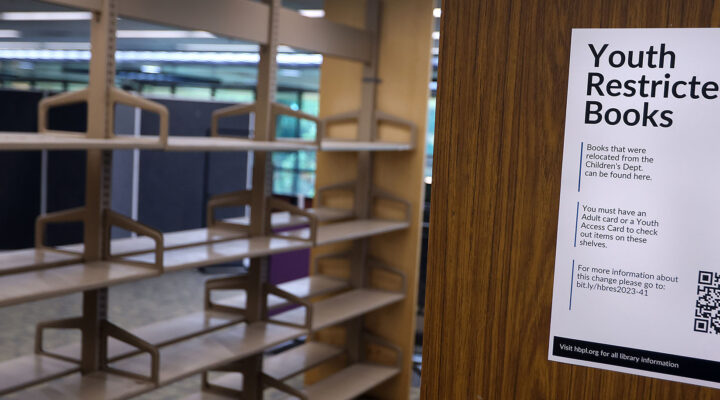
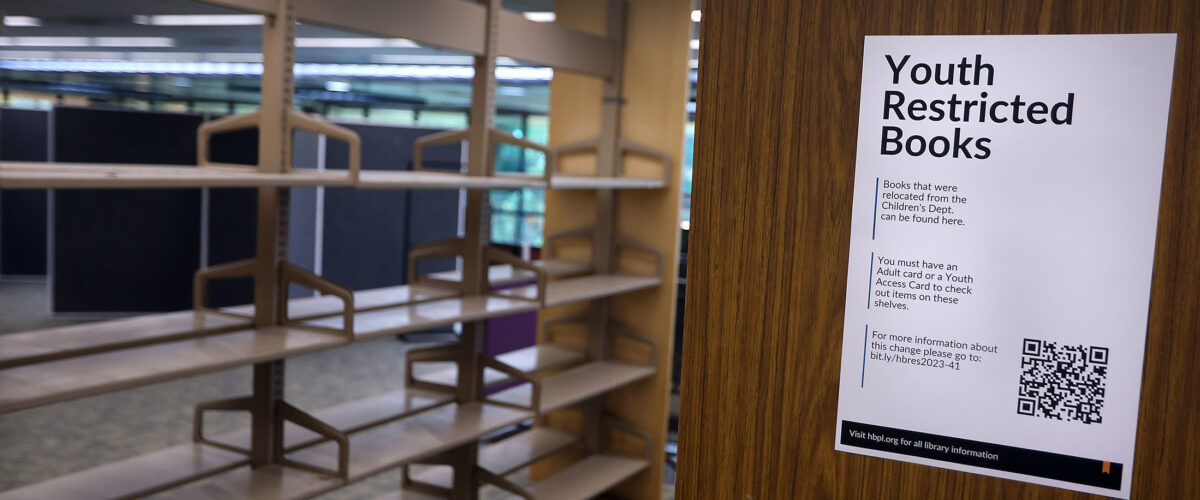
Republicans in the U.S. House of Representatives are trying to pass a bill that would codify nationwide book bans.
House Resolution 7661 was introduced last month in a purported effort to prevent minors from accessing sexually explicit literature and other materials.
The Stop the Sexualization of Children Act has passed out of committee and is now before the full House, with 18 Republicans signing on as co-sponsors.
Specifically, it is designed to amend the Elementary and Secondary Education Act of 1965 to prevent the use of federal funds “to develop, implement, facilitate, host or promote any program or activity for, or to provide or promote literature or other materials to, children under the age of 18 that includes sexually oriented material, and for other purposes.”
The act also seeks to ban children from seeing “nude adults, individuals who are stripping, or lewd or lascivious dancing” or “gender dysphoria or transgenderism.”
Library and literature groups are warning the resolution would hand censors wide discretion to remove books.
Use of the dehumanizing term “transgenderism” implies transgender identity is a mere ideological concept.
Library and literature groups are warning the resolution would hand censors wide discretion to remove books from libraries and schools.
“Although the bill would at first only affect institutions receiving a certain subset of federal education funding, it’s easy to envision an expansion of this federal censorship, since it’s a dynamic we’ve seen at the state level all across the U.S.,” according to Literary Hub, an online clearinghouse for books and writing.
The anti-censorship group Pen America reported documenting close to 23,000 book bans in public schools across the country since 2021. Of those, 6,870 were established during the 2024-2025 school year in 87 public school districts in 23 states.
“And everywhere, it is the books that have long fought for a place on the shelf that are being targeted,” the organization said. “Books by authors of color, by LGBTQ authors, by women. Books about racism, sexuality, gender, history.”
The vague and open-ended language of the legislation will provide conservatives with the legal cover to further persecute trans and other marginalized groups, Literary Hub added. “This is the right-wing vision for America. There is no room for queer Americans, who will be forced out of public view, or worse. There is no room for children’s freedom to read and be curious. There is no room for compassion.”
The American Library Association said HR-7661 denies families the ability to choose what their children can read and gives that power instead to politicians.
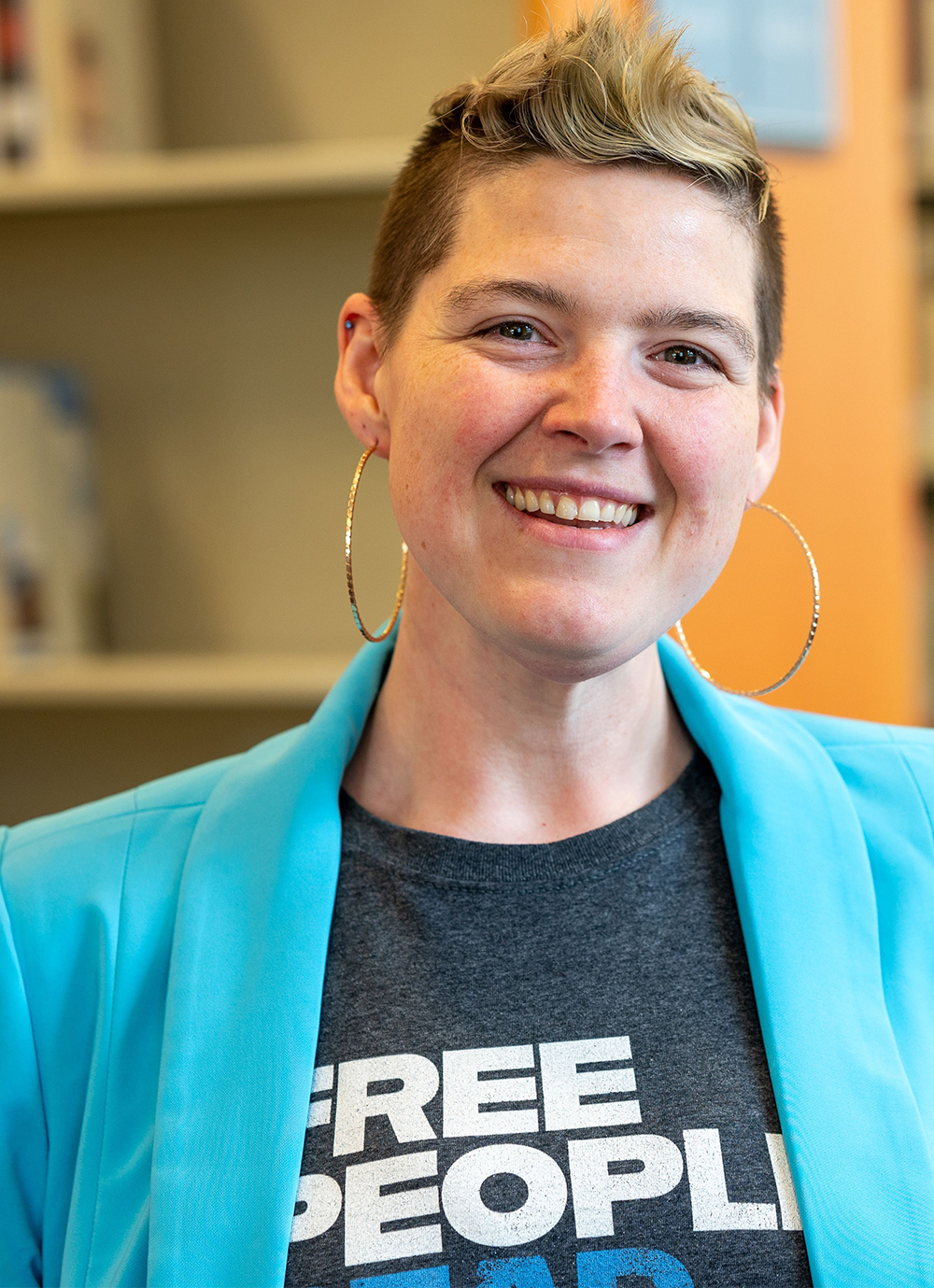
Sam Helmick
“Rather than targeting librarians and teachers, Congress should invest in them,” ALA President Sam Helmick said. “The Right to Read Act offers a better path, supporting well-staffed and well-resourced school libraries, strengthening evidence-based literacy instruction and protecting the dedicated professionals who help young people discover books that open doors and expand horizons.”
Democrats in Congress previously introduced measures to oppose book bans, including the Fight Book Bans Act by U.S. Reps. Maxwell Frost of Florida and Frederica Wilson of Maryland. U.S. Sen. Jack Reed of Rhode Island and U.S. Rep. Adelita Grijalva of Arizona have co-sponsored the Right to Read Act in both chambers of Congress.
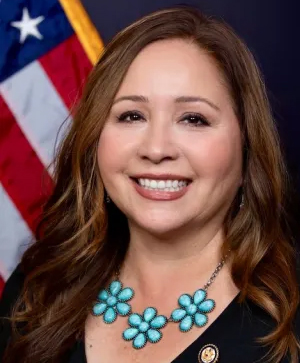
Adelita Grijalva
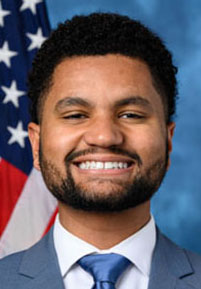
Maxwell Frost
The bill co-sponsored by Frost and Wilson would provide legal aid and funding to school districts opposing book banning efforts.
“Book bans in Florida and in states across the nation are a direct attack on our freedoms and liberties everywhere. As my home state shamefully leads the country in book bans, we cannot let this censorship and dismantling of our education system go unchecked,” Frost said.
Reed’s and Grijalva’s bill seeks to expand access to school libraries and underscores the constitutional protections for school libraries. It also provides liability protections to school librarians, teachers and administrators for all actions that promote the right to read.
Grijalva said her time serving on a school board exposed her to the curiosity and confidence libraries help children experience: “At the same time, politically motivated book bans are limiting the stories and ideas students can explore. Books open doors; censorship closes them.”