

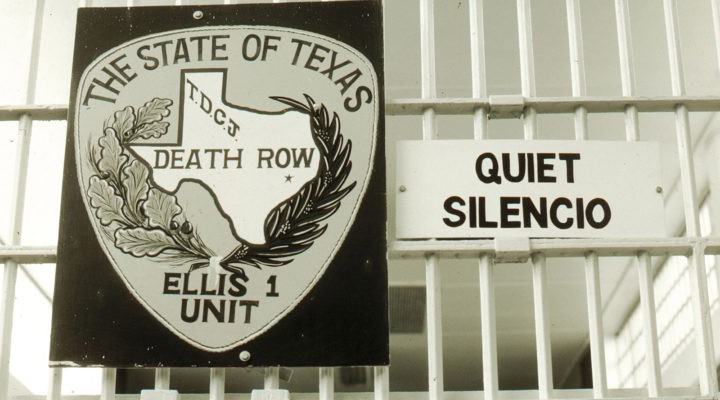
Texas executed James Broadnax April 30 despite DNA evidence and another inmate’s confession showing he did not kill two men in 2008.
Broadnax, 37, died by lethal injection at the state prison in Huntsville for the shooting deaths of Matthew Butler and Stephen Swan outside a recording studio in Garland. Demarius Cummings, his cousin, received life without parole for his role in the homicides and robbery.
Soon after his arrest, the 19-year-old rapper confessed to firing the shots that killed the two Christian music producers. But he later recanted, claiming he was high on drugs at the time of his statements to TV news crews allowed to interview him in jail.
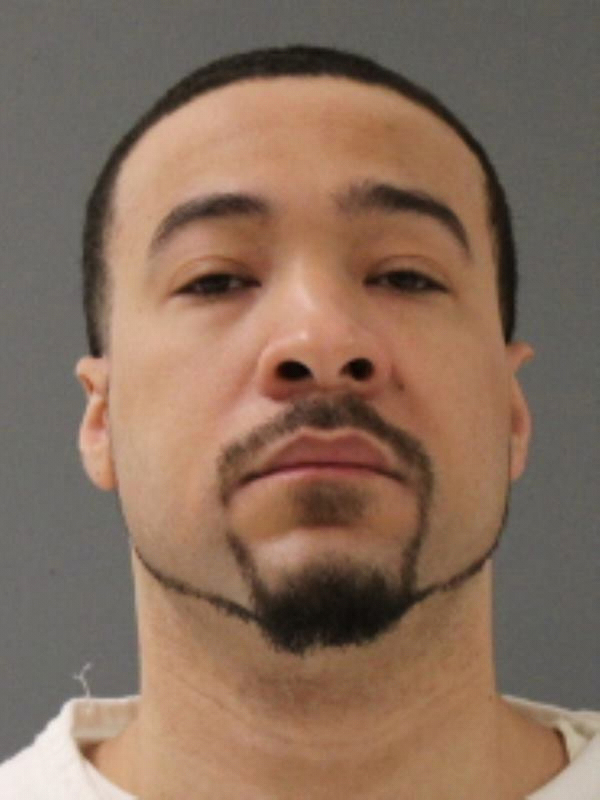
James Broadnax. (Texas Department of Criminal Justice via AP)
“Those interviews became the foundation of the state’s case against James at trial. The state’s trial strategy was deeply problematic,” Broadnax’s legal team said in a statement released after the execution.
At the 2009 trial, “The Dallas DA’s office struck every single Black juror who was eligible to serve in James’ case, keeping careful notes of each juror’s race, and then made arguments at trial referring to racial stereotypes that they believed would appeal to their chosen jury, referring to James’ rap lyrics as evidence of a propensity for future dangerousness, and describing him as a ‘psychopath’ and as similar to a predator from ‘Animal Planet.’”
However, as the execution date neared, Cummings came forward to say he was the triggerman in the incident. He released a signed declaration to that effect March 11.
“In fact, I was the one who shot the two victims, not James. This is confirmed by the fact that my DNA and not James’ DNA was found on the pistol,” Cummings said.
“Demarius’ confession was consistent with the DNA evidence in the case, which found Demarius’ DNA on both the gun used to kill the victims and on one of the victim’s clothing, while James’ DNA was not on either,” Broadnax’s legal team confirmed.
“The Dallas DA’s office struck every single Black juror who was eligible to serve in James’ case, keeping careful notes of each juror’s race.”
Based on the confession, attorneys immediately filed appeals with the Dallas district attorney’s office, the Texas Board of Pardons and Paroles and Gov. Greg Abbott. The petitions also included new evidence about prosecutors’ unconstitutional racial jury selection.
Both the state and U.S. supreme courts rejected the appeals for either a commutation or temporary reprieve.
“James was never a psychopath or predator, but he was a troubled teen who deeply regretted his participation in the robbery that led to his cousin killing Mr. Swan and Mr. Butler. He found his footing and profoundly transformed himself during his nearly two decades on Death Row,” Broadnax’s legal team said.
“Through discipline, Christian faith and an unwavering commitment to growth, James dedicated his life to becoming a source of stability, mentorship and healing for others around him. He was selected for a highly competitive faith-based rehabilitation program, reserved for individuals with a record of sustained discipline and demonstrated commitment to change.”
The program resulted in Broadnax teaching spirituality and conflict resolution classes on Death Row, and he often helped de-escalate tensions between inmates and prison staff, the attorneys added.
And just two weeks before his execution, Broadnax married Tiana Krasniqi, a law student researching racial disparities on Death Row.
“I would like to thank everybody for their love, prayers and support, legal and otherwise, and for all of the effort of fighting for justice in this case,” Krasniqi said.
Broadnax’ execution was the third in Texas this year and the 10th nationally, with the others occurring in Florida (six) and Oklahoma (one), according to the Death Penalty Information Center.