

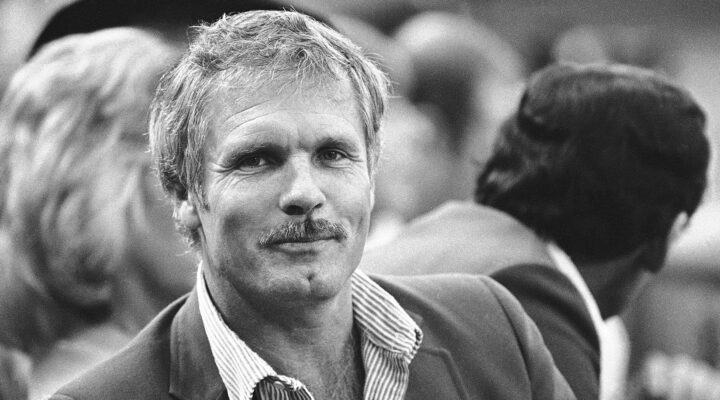
There are few Americans in modern history who can say they fundamentally changed how the world watches television, experiences sports, consumes news and thinks about philanthropy. Ted Turner is one of those rare figures.
Whether people agreed with his politics, personality or public style, Turner’s influence on global media and American culture is undeniable.
Turner was not born into a world of certainty. He inherited a billboard business from his father and transformed it into one of the most influential media empires in world history. Turner represented a uniquely American archetype: The risk-taking entrepreneur who refused to accept limitations imposed by traditional institutions. He saw opportunities where others saw impossibilities.

Edmond W. Davis
Before streaming platforms, before social media, before smartphones, Turner already envisioned a 24-hour media culture. When he launched CNN in 1980, critics laughed at the idea of a network dedicated entirely to news. Many experts believed people never would watch news all day long. Turner ignored the doubters. Decades later, the 24-hour news cycle became one of the defining features of global society.
His creation of TBS revolutionized cable television. Turner helped pioneer the “superstation” concept, allowing local programming to become nationally syndicated entertainment. Millions of Americans grew up watching Atlanta Braves baseball, classic movies, wrestling, sitcom reruns and sports broadcasts through Turner’s networks.
He democratized entertainment access for working-class America long before Silicon Valley became the center of technological innovation.
Turner also transformed sports culture. As owner of the Atlanta Braves, he helped turn a struggling franchise into “America’s Team” through national television exposure. Long before regional branding became standard, Turner understood the power of national sports identity. The Braves became a household name in cities far beyond Georgia because Turner beamed games directly into homes across America.
His ownership of the Atlanta Hawks also reflected his belief that sports is more than entertainment — they are civic institutions capable of shaping culture and identity. Turner recognized something many corporate executives still fail to understand today: Sports are emotional community experiences tied to memory, family and pride.
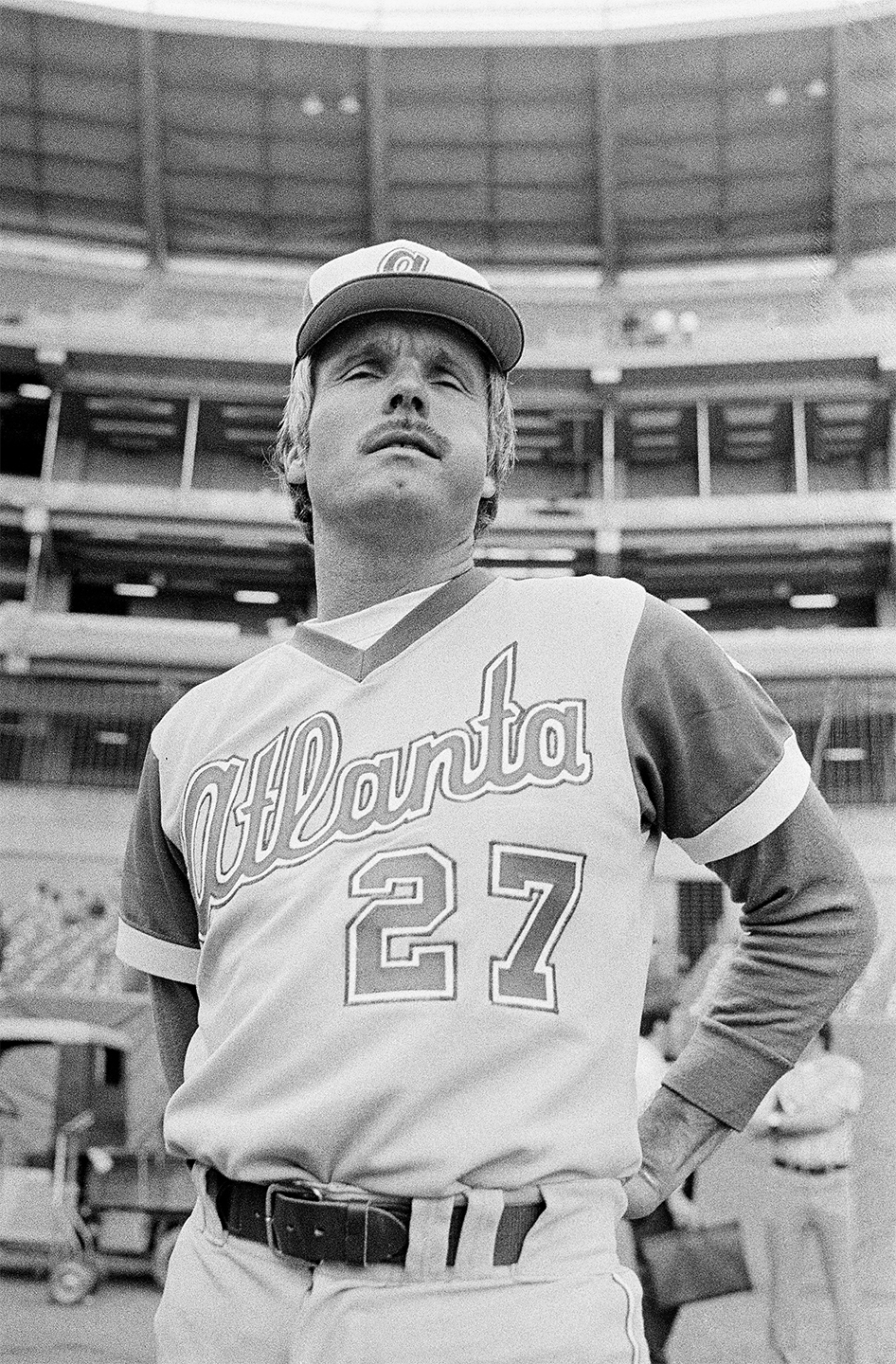
Ted Turner, owner of the Atlanta Braves, took over as manager of the Braves prior to the game, May 11, 1977, in Pittsburgh. (AP Photo)
Outside of broadcasting, Turner became internationally respected for his achievements in sailing. He won the prestigious America’s Cup in 1977, one of the highest accomplishments in competitive sailing. He also competed in world-class yacht racing and earned recognition as one of the greatest sailors of his generation. Turner’s success on the water reflected the same aggressive confidence that defined his business career. He was fearless, strategic and intensely competitive.
But perhaps one of the most fascinating aspects of Turner’s life was his relationship with legendary actress and activist Jane Fonda. Their marriage symbolized the collision of Hollywood, activism, politics, wealth and media influence during the late 20th century. Fonda, already one of the most recognizable women in the world, brought intellectual activism and political engagement into Turner’s already complex public identity.
Together, Turner and Fonda represented a high-profile American power couple whose influence extended far beyond entertainment. They discussed social justice, war, environmentalism and philanthropy at a time when celebrity activism was not yet fully mainstream. While their marriage eventually ended, their relationship remains one of the most culturally significant partnerships in modern celebrity history.
Turner’s philanthropic legacy may ultimately become his greatest contribution. In 1997, he pledged $1 billion to support the United Nations through the United Nations Foundation. At the time, it was one of the largest charitable gifts in history. He also became a leading voice for environmental conservation, nuclear disarmament and global humanitarian causes.
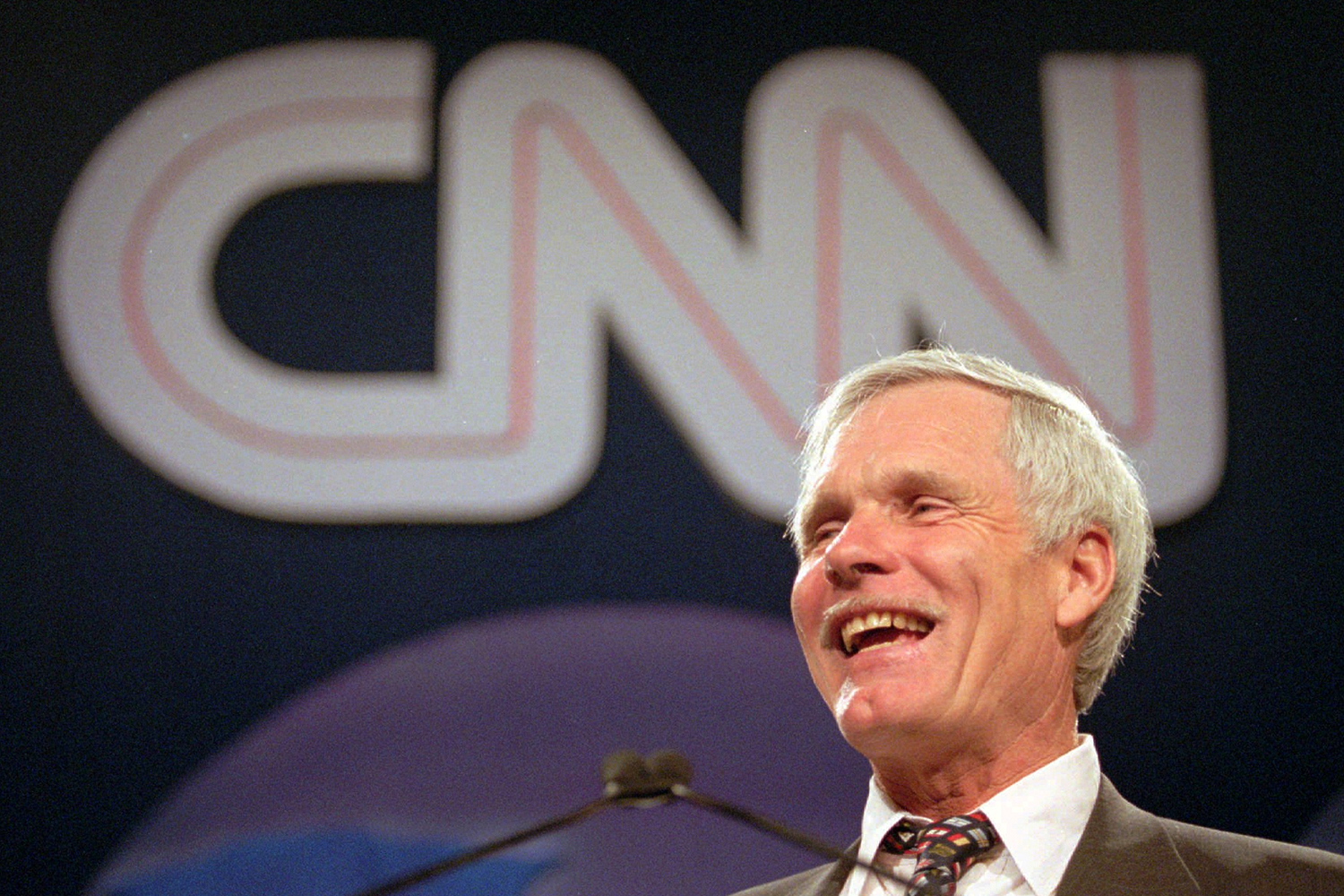
Ted Turner speaks during the CNN World Report Contributors banquet in Atlanta on May 4, 1995. (AP Photo/John Bazemore)
Ted Turner’s life illustrates the biblical principle found in Luke 12:48: “For unto whomsoever much is given, of him shall be much required.”
Turner understood wealth without purpose becomes empty. His philanthropy demonstrated a belief that success should serve humanity, not merely personal comfort.
Love him or criticize him, Turner was undeniably a visionary.
Today, in an age dominated by algorithms, digital platforms, streaming wars and corporate mergers, younger generations may not fully understand how revolutionary Ted Turner truly was. Before media became fragmented into apps and personalized feeds, he helped build a shared American television culture. Families watched the same Braves games. Americans consumed breaking world events through CNN. Millions experienced global entertainment through Turner Broadcasting.
He was bold. Sometimes controversial. Often unconventional. But greatness is rarely born from timidity.
Ted Turner’s legacy is not simply about television ratings or billionaire status. His life represents the power of imagination, calculated risk, relentless ambition and public influence. He altered sports broadcasting, redefined news media, elevated Atlanta into a major national sports city, contributed billions toward humanitarian causes and helped shape modern American entertainment itself.
History will remember Ted Turner not merely as a businessman but as a cultural architect of modern America.
Edmond W. Davis is an American social historian, international speaker and Amazon No. 1 bestselling author. He is a global authority on the Tuskegee Airmen and serves as the founder of the National HBCU Black Wall Street Career Fest. A native of Philadelphia and current resident of Little Rock, Davis is committed to cultural empowerment and educational equity through storytelling and civic engagement.