

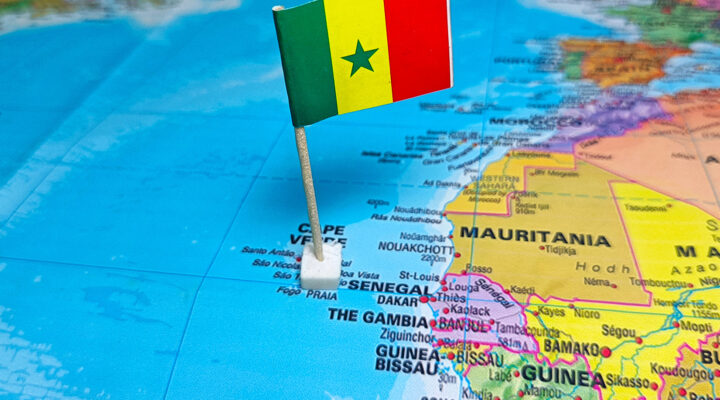
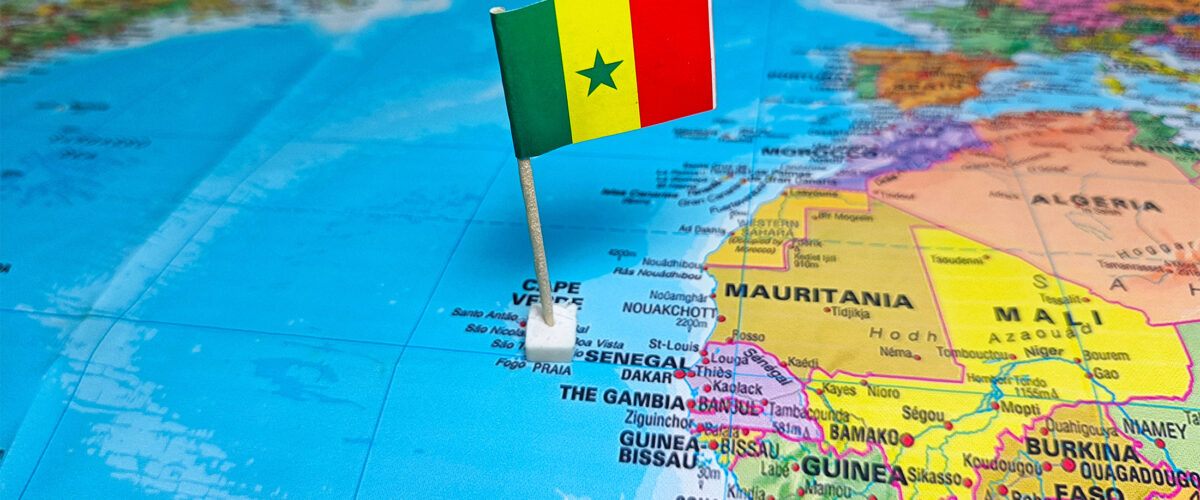
Nationals from 10 African countries face the steepest barriers to entering the U.S. for business, study, tourism or residency, according to a new study by a Florida law firm specializing in immigration.
Senegal, Burundi and Nigeria are at the top of the list of nations whose citizens “have almost no chance of getting into the U.S., the Orlando-based firm of Bogin, Munns and Munns reported.
Travelers from these and seven other African countries have been “blocked” from Green Card eligibility and have the highest rejection rates for obtaining work and tourism visas.
Travelers from these and seven other African countries have been “blocked” from Green Card eligibility.
“Senegal is the hardest place to immigrate from to the United States right now. The country has both a partial travel ban and a complete freeze on Green Card processing, blocking nearly all permanent residency paths,” the report states.
Getting tourist and other short-term visas is “tough” for Senegalese, with 74% of those applications being rejected, the law firm said. “With over 33,000 people searching online for U.S. immigration information, just 170 immigrant visas get approved across the entire country each month.”
The May report examined legal restrictions affecting more than 100 countries to determine where immigrating to the U.S. is the hardest. Travel ban status and Green Card eligibility were used to determine levels of difficulty entering the U.S. Tourism and business visa denials also were factored in to give each country a score of 0 to 100 on an immigration difficulty index.
“Burundi comes second, facing similar restrictions that make American entry almost impossible,” the report states. “The Central African country also faces a partial travel ban, and 69% of visa applications get denied. To put this into perspective, the U.S. issues just 10 immigrant visas monthly to Burundi citizens, while the country’s population reaches nearly 15 million people. Green Card approvals are frozen here too, leaving virtually no path to permanent U.S. residency.”
Nigeria ranked third even with Africa’s largest economy, a population of 242 million and an estimated 100,000 people actively searching for ways to enter the U.S.
But with a partial travel ban in place, only about 1,000 immigrant visas are issued annually to Nigerians, which represents five visas per 100,000 residents. Visas for business or tourism are rejected at a 57% rate.
Rounding out the top 10 are Gambia, Benin, Angola, Tanzania, Malawi, Zambia and Gabon.
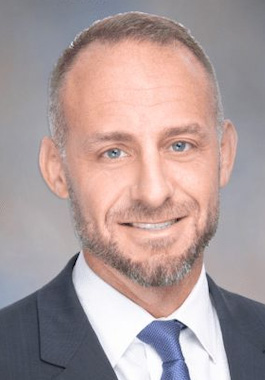
Spencer Munns
“Travel restrictions keep getting tighter in our country,” said the law firm’s owner, Spencer Munns. “The U.S. just introduced a $15,000 bond requirement for tourist visas in March 2026. This means our consular officers in some countries can now demand this bond from any applicant they consider a flight risk.”
Anyone who overstays a visa would lose that money, he added. “For many applicants, it’s a barrier to entry entirely, because that amount can equal years of income in many places.”
But the Trump administration added another layer of difficulty in January with a pause on reviewing Green Cards, work permits and citizenship applications from certain nationals, NPR reported. “The pause is targeted at those born in one of 39 countries, including Nigeria, Myanmar and Venezuela. The U.S. imposed travel restrictions on most of those countries after an Afghan national shot two National Guardsmen on a Washington, D.C., street in late November.”
The policy has been disastrous for people studying in the U.S., working in high-end labor industries like technology and medicine, and for those already living in the country and in the process of seeking citizenship, NPR reported.
The affected nations are: Afghanistan, Angola, Antigua and Barbuda, Benin, Burkina Faso, Burundi, Chad, Congo, Cuba, Dominica, Equatorial Guinea, Eritrea, Gabon, Haiti, Iran, Ivory Coast, Laos, Libya, Malawi, Mali, Mauritania, Myanmar, Niger, Nigeria, Senegal, Sierra Leone, Somalia, South Sudan, Sudan, Syria, Tanzania, The Gambia, Togo, Tonga, Turkmenistan, Venezuela, Yemen, Zambia, and Zimbabwe.
Raising the bar for travel or emigration to the U.S. comes as the Trump administration widens deportation and other aggressive efforts to end immigration in the U.S., which it claims is a national security issue.
To that end, the State Department has ordered its embassies to deny visas to nonimmigrant applicants if they have been mistreated in, or fear returning to their countries of origin, the National Immigration Forum reported. “Answering ‘yes’ to either question, or declining to respond, will result in a visa denial, according to the cable sent to U.S. embassies and consulates worldwide.”
The questions have to be asked orally because they are not listed on standard visa application forms, and “are part of a broader Trump administration effort to curb asylum claims by visa holders, with the directive stating that many misrepresent their intentions during visa applications,” the Forum explained.