

The Trump administration has proposed a new rule that could devastate Christian higher education by tying student loans to the earning potential of degree programs.
The earnings metric would require recipients of undergraduate degrees to earn more in median income than 25- to 34-year-olds with only high school diplomas. And alumni of graduate programs would have to make more money than their peers with bachelor’s degrees. The government would rely on IRS and Census Bureau data for the policy, which would go into effect in 2027.
Current students in degree programs that consistently fail to meet the standard would be barred from receiving student loans and Pell grants, the U.S. Department of Education announced April 17.
And with student loan debt approaching $1.7 trillion, increasing numbers of Americans would have been better off not going to college, Trump’s DOE added.
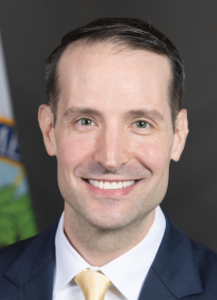
NIcholas Kent
“The Trump administration’s proposed accountability framework is grounded in common sense: If postsecondary education programs do not leave graduates better off, taxpayers should not subsidize them,” said Under Secretary of Education Nicholas Kent. “This consensus-backed framework will drive meaningful change in postsecondary education, ending years of regulatory whiplash and addressing student debt that has left too many students worse off.”
But leaders in Christian higher education warn the earnings metric required under the “One Big Beautiful Bill” act could ravage programs that produce pastors, social workers, teachers and other service-oriented professions.
“It’s an existential threat to the future of religious higher education in the U.S. — I don’t think that’s an overstatement,” said Philip Dearborn, head of the Association for Biblical Higher Education, in an interview with Christianity Today. “It came out of left field.”
According to the CT report, Dearborn recruited presidents from 21 Christian colleges to join him in visiting Washington, D.C., last month to warn lawmakers that the rule, known as the Student Tuition and Transparency System, would “crater their programs.”
“Financial outcomes matter, but they don’t totally measure whether an education is worthwhile.”
“Financial outcomes matter, but they don’t totally measure whether an education is worthwhile,” said David Hoag, president of the Council for Christian Colleges and Universities.
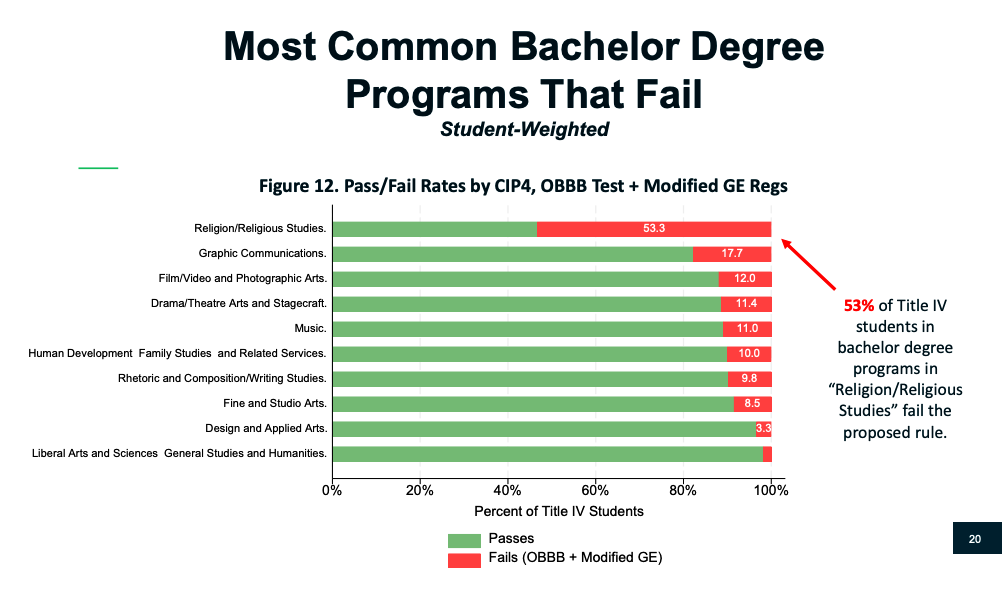
The Department of Education estimated in January that 53% of degrees in the field of religion or religious studies would fail the metrics proposed in the new rule. By far, that would be the worst rate followed by graphic communications (18%), film, video and photographic arts (12%) and drama and theater arts (11%).

David Hoag
Among master’s degree programs, the biggest failures would come in alternative and complimentary medicine programs, at 98%, religion and religious studies programs, at 89%, and mental and social health services, at 64%.
Frank Yamada, head of the Association of Theological Schools, led a recent webinar warning ATS member schools of the looming rule.
“If folks want to get their degrees in these areas, but they’re not eligible for financial aid, it’s going to significantly impact the religious workforce,” he said. “In many Christian traditions now, there are often more job openings or calls available than there are candidates to fill those calls.”
Joshua Christy, who became senior pastor of a small church in 2011 earning $225 a week, told CT he pursued his undergraduate degree in biblical studies to follow a calling, not to earn a large salary.
“Learning to study the Bible and minister to a congregation was something I found, and still find, deeply fulfilling and meaningful,” he said. “It was never about money, and money has never really interested me as a goal worthy of pursuit.”
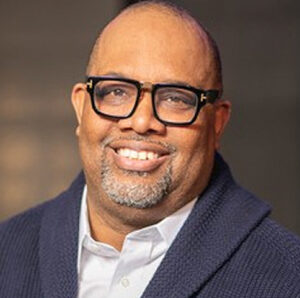
Corey Brooks
The policy change would punish students who put faith and conviction ahead of wealth, Corey Brooks, senior pastor at New Beginnings Church of Chicago, said in an op-ed for Fox News: “Under this proposal, colleges, especially Christian ones, would be judged by how much their graduates earn compared to high school dropouts. If your calling doesn’t come with a big salary, if you’re a teacher, a pastor, a social worker, your degree is deemed less valuable.”
And that is “economic discrimination against purpose-driven education,” not reform, he added. “It punishes schools whose alumni become counselors instead of consultants, … church planters instead of corporate climbers, … healers instead of hustlers.”
America should be a place where service-driven education and careers are rewarded, Brooks said. “Let’s not destroy the very schools that teach integrity, character and Christ-like service. Let’s not choke the pipeline of hope that flows from classrooms to communities across this country.”