

On May 15, thousands will gather at churches and mosques, on campuses and on streets throughout Chicago to observe a day most Americans never heard of. It’s called Nakba Day.
The day commemorates the Zionist expulsion of more than 700,000 Palestinians from their homeland and the erasure of 400 to 500 Palestinian villages and neighborhoods in the parts of historic Palestine now buried under modern Israel.
These are events Palestinians call the “Nakba” — The Catastrophe.
Zionist militias initially expelled residents in places like Haifa and Jaffa as early as late 1947 and committed several massacres in 1948, including the widely documented killings in Deir Yassin, prompting other communities to flee the oncoming militias.
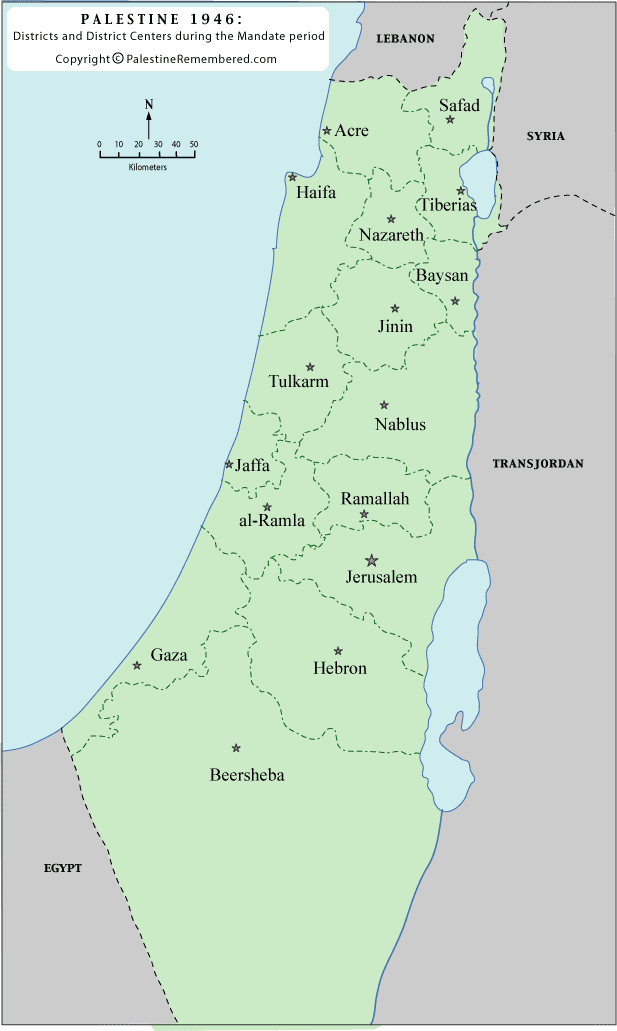 The Nakba created a Palestinian diaspora — hundreds of thousands were displaced — primarily to refugee camps in Gaza, the West Bank and surrounding countries, where many families remain today. Some also fled to other parts of the world; there are Nakba survivors in Chicagoland, like my dear friend Awad, who cherishes early memories of his childhood home in Haifa.
This year’s observance comes at a significant moment. In Chicago and across the United States, the devastation of Gaza and settler violence in the West Bank have drawn significant attention to Palestinian life. Palestine and Palestinians are in our newsfeeds.
But these headlines cannot be understood without understanding the Nakba, because today’s violence in Israel, Gaza and the West Bank are a continuation of the cleansing of Palestinian people from their homeland from 1948 through to today.
Let’s dig a little deeper.
Modern Israel is located on top of historic Palestine. The Palestinian villages I mentioned above were either destroyed and redeveloped, or their many homes were simply handed to new owners, all while a national community was severed from its roots in the land.
Overlay a map of Israel with a map of historic Palestine and you’ll see they overlap in large part. So while Israelis celebrate 1948 as the beginning of something new, Palestinians see it as the overturning of their world.
As a result of the expulsions, a large percentage of the Palestinians in Gaza and the West Bank are refugees from places in what became Israel. Their grandparents fled to Gaza or the West Bank in 1948, and the new state of Israel blocked them from returning home after the war. The result: Hefty portions of the Palestinian populations of Gaza and the West Bank are refugees from homes that are ploughed under Israeli landscapes. Many families still cherish the keys to these lost homes as prized possessions — “Nakba keys” they call them.
For these Palestinians, the Nakba is not only a historical event, but also an ongoing reality. The generation that survived the Nakba raised their children as stateless refugees. These children grew up to see the Israeli army sweep into their “new” homes in the West Bank and Gaza in 1967 and install what has become the longest ongoing military occupation in the world. And now their children are facing militant Israeli settlers and Israeli occupation forces terrorizing their families and appropriating yet more of their homeland.
“As Israel continues expanding its settlements and deepening its control in the Palestinian territories, the Nakba rolls on.”
As Israel continues expanding its settlements and deepening its control in the Palestinian territories, the Nakba rolls on.
On my latest trip to the West Bank in February, I returned to a Palestinian town called al-Walaja, just outside Bethlehem. From its hillside, residents can see the site of their original village, which the Zionist militias destroyed in 1948. When the ceasefire line cut through their agricultural lands, the refugees rebuilt al-Walaja on the little piece that remained, on the West Bank side of that line. That was 70 years ago, but now Israel wants the rest of al-Walaja’s land to expand Jerusalem’s municipality deeper into the West Bank.
Through complicated administrative maneuvers, Israel is loosening families’ legal hold on their properties and then showing up with soldiers, helicopters and bulldozers in the dead of night to kick families out and demolish their homes.
I know this is true: I’ve stood with multiple of these families in the ruins of their homes, trying to absorb the terror of those nighttime demolitions, the long suffering of a community through 70 years of insecurity, and the implications of these traumas and land theft for their children’s future.
As a Christian, I can’t help but approach this history through the lens of my faith. Jesus himself, born in Bethlehem, just up the road from al-Walaja, fled with his family and lived as a refugee in Egypt. In Matthew 25, Jesus identifies himself with the hungry, the thirsty and the displaced. My faith means the Nakba should not remain in the historical shadows, nor should it be dismissed as too political or too complicated. It is as instructive as any part of history, and it is deeply consequential to the moral disasters playing out in the headlines today — disasters that need to be understood to be addressed.
Viewed this way, the Nakba raises a moral question: How will we respond to a community facing this deepening and ongoing catastrophe, for 70 years, with no end in sight? Perhaps we can all ponder that question on May 15.
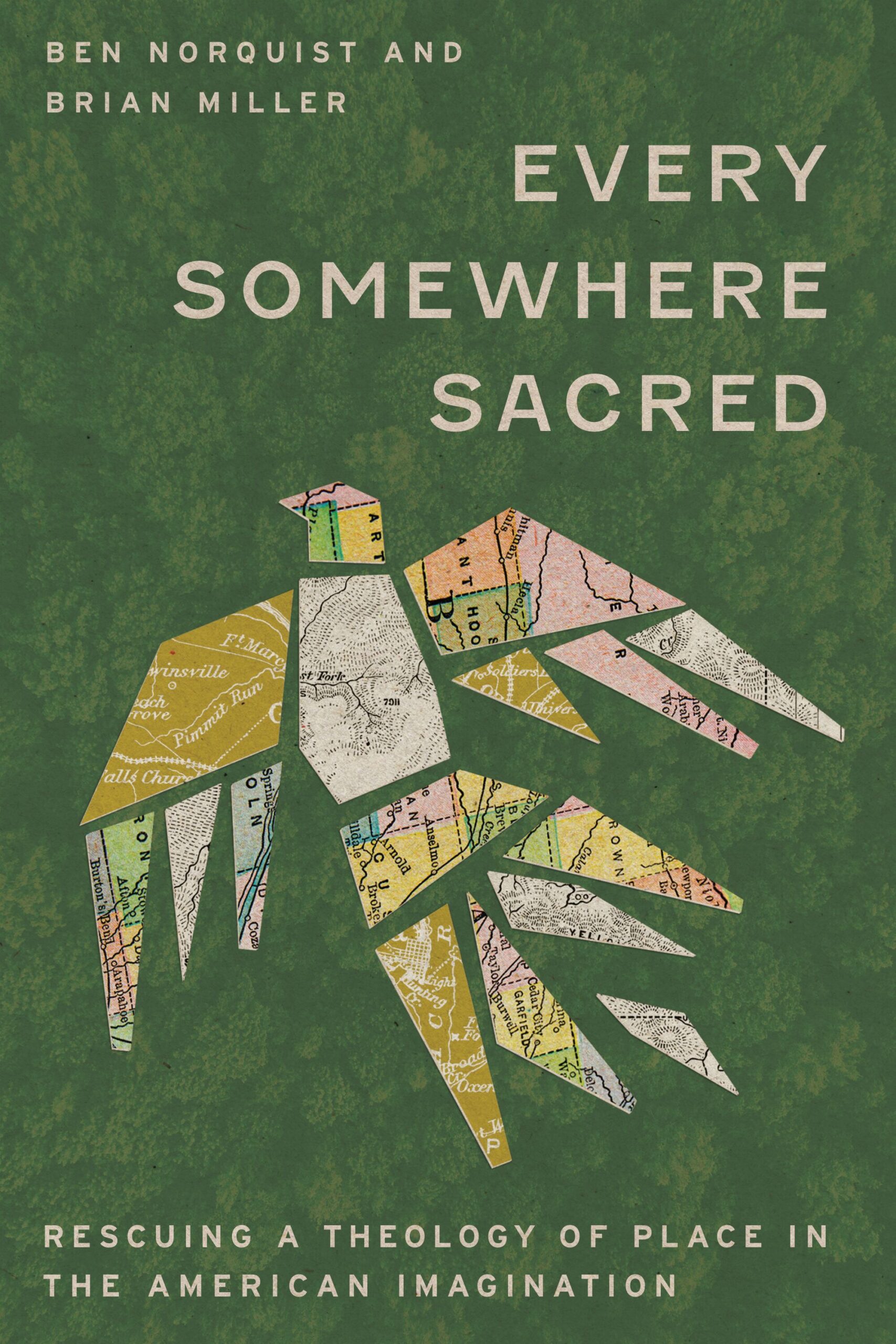 Ben Norquist shifted his career to work on Israel-Palestine issues after completing his Ph.D. research in Palestine. He currently serves as director of communications for the Bethlehem Institute for Peace and Justice, a Palestinian-led organization working to expand understanding of the situation in the Holy Land among Western Christians. Ben’s first book comes out this June, Every Somewhere Sacred: Rescuing a Theology of Place in the American Imagination.