

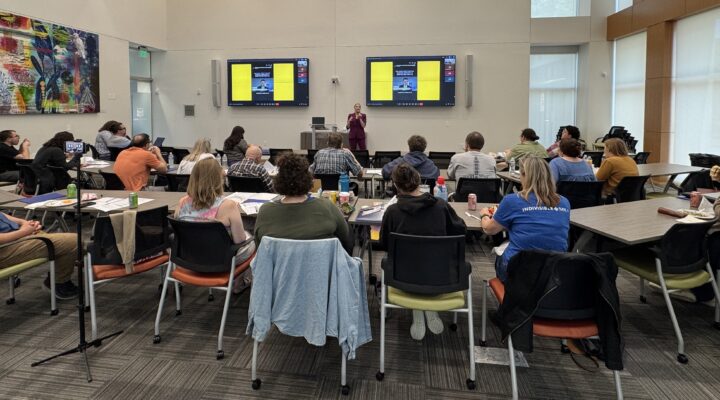
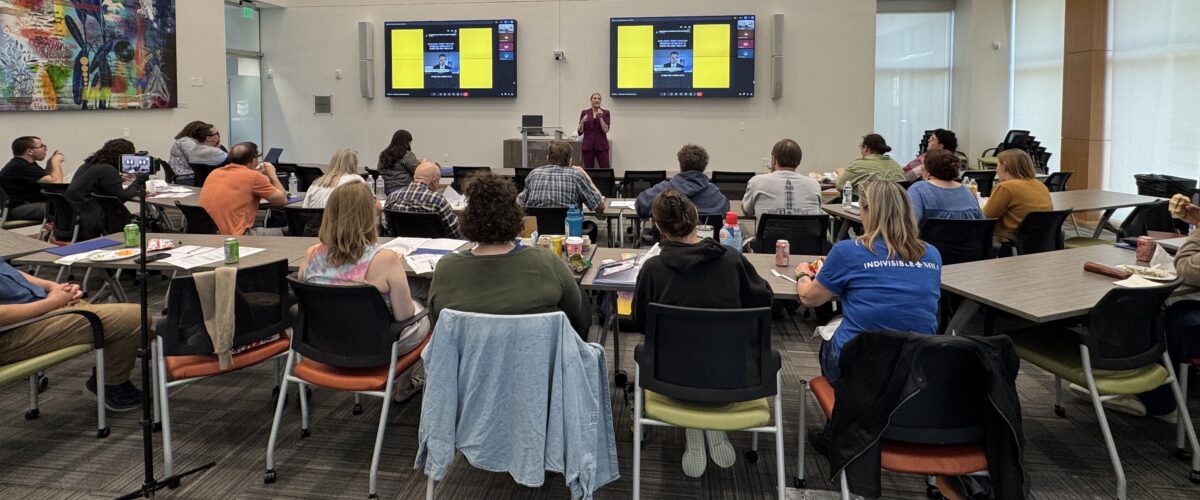
A faith-based advocacy network has launched a tour of six red states where overwhelmed activists need encouragement and support in opposing Christian nationalism.
What the pro-democracy movements in Louisiana, Oklahoma, Kansas, Missouri, Kentucky and Texas don’t need, however, is any sort of primer on the authoritarian ideology that has overtaken their communities, said Shannon Fleck, executive director of Faithful America and leader of the “Frontline Faithful Tour.”
“These are the states in the country that are the most intimately aware of this issue and don’t have the resources to mobilize a response,” said Fleck, a minister in the Christian Church (Disciples of Christ) and former head of the Oklahoma Faith Network.
The tour kicked off in Louisiana in late April with its next stop scheduled in Oklahoma May 29 to June 1. Indivisible, a nationwide secular organization opposed to authoritarianism, is partnering with Faithful America on the project.
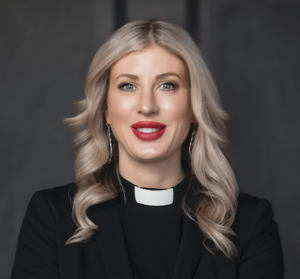
Shannon Fleck
“The beauty of this is that these folks already know what white Christian nationalism is, so I don’t have to spend any time at all lecturing about the topic,” Fleck explained. “They are ready to move into strategic response from the grassroots level to start pushing back against this specific topic. And of course, it’s an issue very familiar to me because I live and work in Oklahoma.”
However, one of the challenges is that many secular and faith-based activists in these states are unaware of each other and are not working in unison to fight Christian nationalism.
That was the case in Louisiana — just as it is in the other states on the itinerary, she said.
“Just like where I live, I found faith leaders functioning in their own silos and very rarely connecting with secular organizations that share similar goals. It’s hard to coordinate strategies without having relationships first.”
Fleck also met with Indivisible members in the state who were largely unaware of the faith-based allies so close at hand.
“I spent a lot of time with them talking about the reality of what it’s like to be clergy in this moment and what the dynamics are of leading a congregation. I also covered what the challenges are integrating clergy into activist work — perspective they as community activists and leaders can be cognizant of as they seek to build relationships with these faith leaders and faith communities.”
Like Florida and Texas, Louisiana has become a testing ground for white supremacist policies and laws. It has mandated Ten Commandments displays in public schools, radically redrawn voting maps and suspended House primary elections to edge out Black voters.
That, and many in government are hostile to activists mobilized against white Christian nationalism, Fleck said.
“The politics in the state of Louisiana are white supremacist in nature. Their governor is making incendiary racist comments openly. Their laws are horribly restrictive. So, there are threats quite literally from the state level down to the local level where political leaders are cutting off access to local permits (for public gatherings) and cutting off access to people of color trying to serve their communities.”
The tour’s arrival was a breath of fresh air to activists toiling away for the cause in Louisiana, said Bethany Viviano, leader of the Tangipahoa chapter of Indivisible. “We know the state is a proving ground for Project 2025. We have been living that on a daily basis and it’s exhausting.”
Fleck’s presentation about faith-based groups was extremely helpful, Viviano added. “What was really helpful was having somebody who knows the system, and who understands the faith messaging, come in and talk to us from that perspective.”
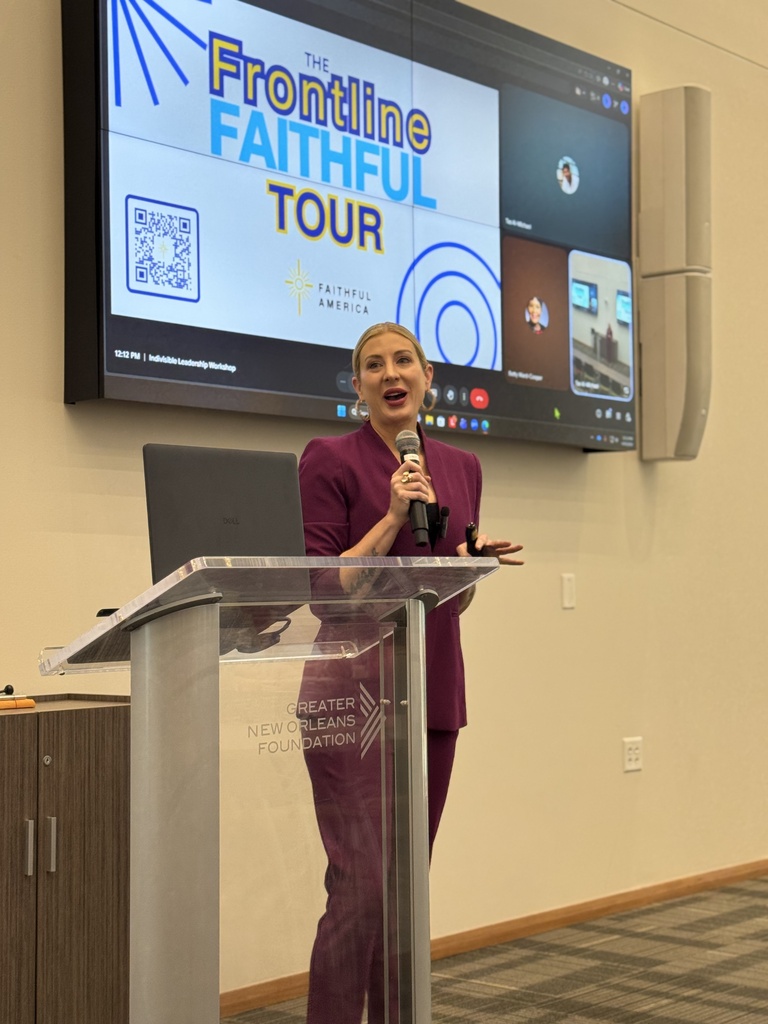 Just as valuable was gaining awareness on potential allies in the struggle, she said. “We’ve been spread thin … because there are just so many things to fight.”
Previously, convincing faith leaders to join the effort has been “like pulling teeth” because many were concerned about losing their tax-exempt status, Viviano said. “So, having a faith leader who knows her stuff come in and tell them what they can and can’t do was really helpful because they trust she knows about faith-based initiatives.”
And there was one meeting without any clergy present, Fleck added. “The public session involved lay people, community members and folks from a variety of different denominations in the room. And we had folks who didn’t attend church ever in their lives in the room but who were very curious about how to resist Christian nationalism.”
Moving forward, the tour will emphasize a collaborative approach to combating white supremacy, Fleck said.
“’Connection’ is probably the word I would use, and that is quite literally just step one. The reason that I am so dedicated to focusing on these specific places is because they have not been invested in, they have been predominantly overlooked and that has that has resulted in these states being overrun by white Christian nationalism.”