

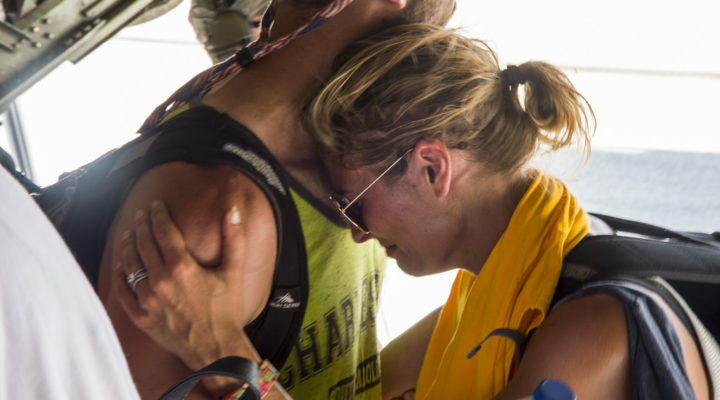
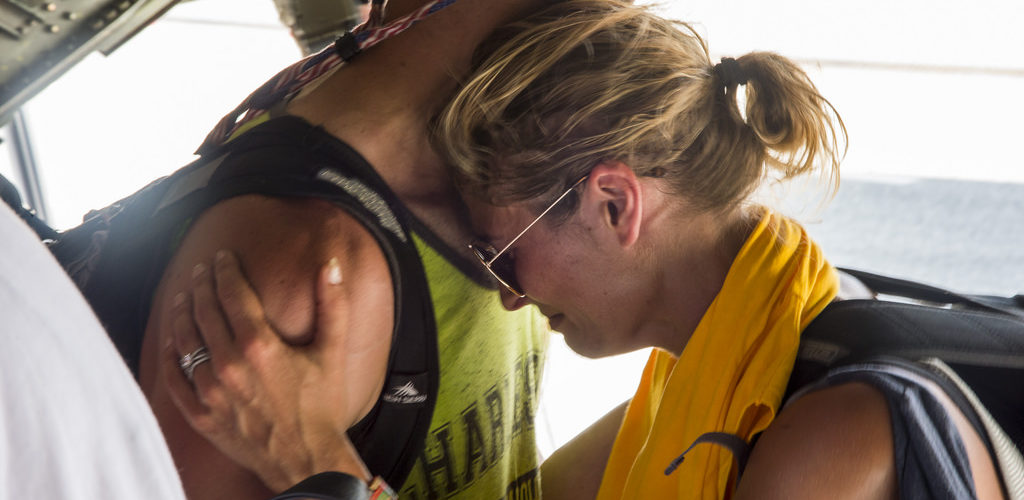
There are nights in disaster shelters when the exhaustion becomes almost physical in the air.
You can feel it hanging over rows of cots and folding chairs long after midnight. Volunteers move more slowly. Children finally fall asleep. Coffee grows cold in paper cups. People stare silently at phones waiting for updates that may never come.
And sometimes, in those quiet hours, someone asks a question no training manual can fully answer.
“Why did God let this happen?”
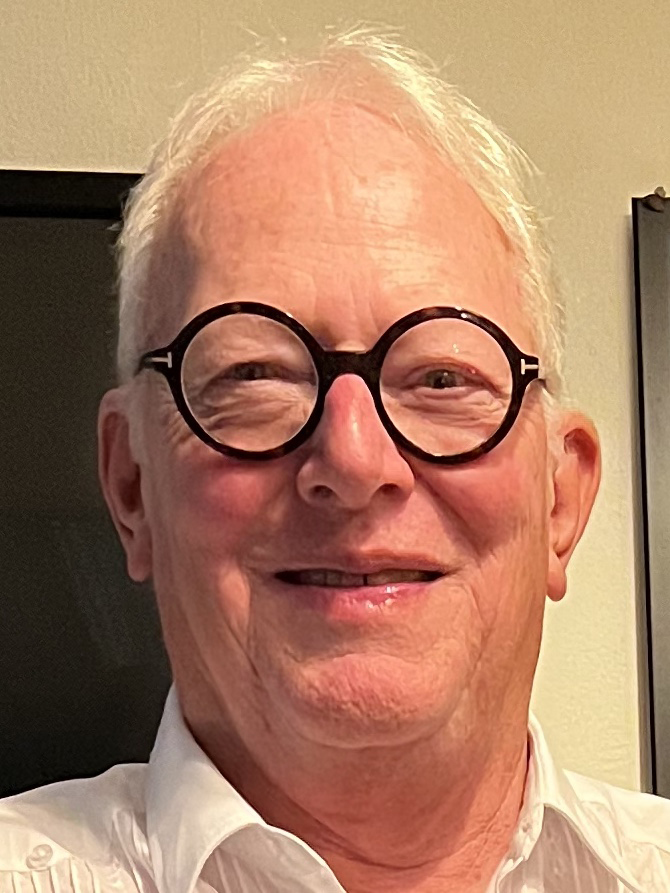
Gregory C. Smith
Over the past 15 years serving in disaster spiritual care with the American Red Cross and Presbyterian Disaster Assistance, I have heard many versions of that question. Sometimes it is spoken directly. More often it hides beneath other words.
“I did everything right.”
“We prayed all night.”
“She was a good person.”
“I don’t understand.”
Most people assume the deepest wounds after catastrophe are emotional. Certainly many are. Trauma affects the mind and body in profound ways. Fear, grief, anxiety and exhaustion are real. They deserve careful attention and compassionate care.
But some wounds reach deeper than emotion.
Some wounds disrupt meaning itself.
“Many survivors, caregivers and responders carry injuries that are not merely psychological. They are spiritual.”
I have come to believe many survivors, caregivers and responders carry injuries that are not merely psychological. They are spiritual.
Not “spiritual” in the shallow sense of religious clichés or inspirational language. Spiritual in the deeper sense — wounds connected to meaning, conscience, trust, identity and hope.
These wounds often emerge when a person’s understanding of the world collapses under the weight of lived experience.
A father prays desperately for his child to survive, and the child dies anyway.
A pastor spends years caring for others while quietly falling apart inside.
A nurse must choose which patient receives limited resources.
A disaster responder walks through neighborhoods where entire lives have been erased in a single afternoon.
An exhausted volunteer realizes they no longer feel what they used to feel.
None of these experiences fit neatly into the language of burnout alone. Burnout affects energy. Spiritual injury affects meaning. That distinction matters.
For years, caregiving cultures have become increasingly comfortable discussing stress, fatigue and mental health. That is good and necessary progress. But many caregivers still struggle to speak honestly about moral pain, spiritual exhaustion and wounded faith.
In some environments, acknowledging spiritual struggle still feels dangerous. Caregivers often believe they are supposed to remain emotionally steady, spiritually confident and endlessly resilient. Clergy especially can feel pressure to continue offering certainty long after certainty itself has begun to crack.
Disaster work has a way of dismantling simplistic explanations.
“Underneath our theology often rests an expectation that suffering should somehow make sense if we think hard enough, pray deeply enough or trust faithfully enough.”
Early in ministry, many of us quietly assume faith will eventually produce answers. We may not say this out loud, but underneath our theology often rests on expectation that suffering should somehow make sense if we think hard enough, pray deeply enough or trust faithfully enough.
Then catastrophe arrives. And catastrophe is rarely interested in our explanations.
Floodwaters do not pause for theology.
Cancer does not politely cooperate with sermons.
Tornadoes do not distinguish between the righteous and the unrighteous.
Mass shootings ignore sanctuaries.
Eventually many caregivers discover something unsettling: People suffering catastrophic loss usually do not need explanations nearly as much as they need presence. In fact, explanations offered too quickly can deepen the wound.
I remember sitting beside a man whose home had been destroyed after a disaster. Everything familiar to him was suddenly gone. Volunteers around him tried desperately to encourage him.
“At least you survived.”
“God has a plan.”
“Things could have been worse.”
None of those statements were cruel. They were attempts at comfort. But each one unintentionally moved away from the actual pain sitting in front of us.
“I just need somebody to sit here for a minute.”
Finally, the man looked down at the floor and quietly said, “I just need somebody to sit here for a minute.”
That may be one of the holiest sentences I’ve ever heard.
Because underneath it was a truth many caregivers spend years learning: Presence is sometimes more healing than explanation.
The ministry of presence sounds simple until you attempt it honestly. Remaining emotionally present beside suffering without immediately trying to solve it requires enormous spiritual discipline. Most of us instinctively move toward fixing, reassuring or controlling because helplessness makes us uncomfortable.
Silence exposes us. So does grief. So does unanswered prayer.
Yet the Bible itself contains far more emotional honesty than many religious communities allow. The Psalms repeatedly give voice to confusion, anger, abandonment and lament: “How long, O Lord? … My God, why have you forsaken me?”
Those are not failures of faith. They are expressions of faith wounded but still speaking.
I sometimes worry modern religious culture has become uncomfortable with honest lament. We often rush people too quickly toward resolution. We want Easter morning without lingering at the tomb. We prefer certainty over ambiguity because certainty feels safer.
But disaster work has taught me something different: Human beings do not heal because someone explains away their suffering. They heal because they discover they are not abandoned inside it.
“Human beings do not heal because someone explains away their suffering.”
That applies not only to survivors but also to caregivers themselves.
Many responders quietly carry memories they cannot easily release. Faces remain with them. Conversations linger. Certain scenes return unexpectedly years later. Some experience guilt over decisions made under impossible circumstances. Others feel haunted by helplessness — by all they could not prevent, could not fix or could not save.
Often these wounds remain hidden because caregiving cultures reward strength more than honesty.
But unspoken wounds rarely disappear. They simply go underground.
This is one reason spiritual care for caregivers matters so deeply. Responders and clergy need places where they can speak truthfully about exhaustion, grief, doubt, numbness and moral pain without being treated as weak or faithless.
Sometimes the most important spiritual moment is not finding an answer. Sometimes it is finally telling the truth.
The truth that you are tired.
The truth that something inside you hurts.
The truth that prayer feels different now.
The truth that catastrophe changed you.
And perhaps also the truth that faith itself may survive not as certainty but as willingness to remain present — with God, with others and with ourselves — even when explanations fail.
After years in disaster shelters, hospitals and crisis settings, I no longer believe the deepest form of spiritual care is providing answers. I believe it is helping people remain human.
To listen without rushing.
To sit without fleeing.
To grieve without shame.
To lament honestly.
To stay present when suffering resists explanation.
Because sometimes the holiest thing we can offer another person is not certainty.
Sometimes it is simply the quiet assurance that they do not suffer alone.
Gregory C. Smith is a retired Presbyterian Church (USA) pastor, disaster spiritual care leader and author whose work focuses on moral injury, trauma, grief and faith after catastrophe. He has served with Presbyterian Disaster Assistance National Response Team and the American Red Cross in disaster response and writes widely on theology, suffering and compassionate presence in wounded communities.