



The first time I ever went to a Busch Gardens theme park, I was made to sit through a timeshare pitch.
I still wasn’t old enough to sample the swill of the park’s namesake, so I admit to you I walked into my fate sober. Underage for spirits, but old enough to purchase a condo in Williamsburg for one week a year. I tell you, being an adult is a funny thing.
I made this mistake with a young woman whom I was dating at the time. We were fresh off riding the high of rollercoasters. Our newly developed spines in need of readjustment after multiple encounters with whiplash.
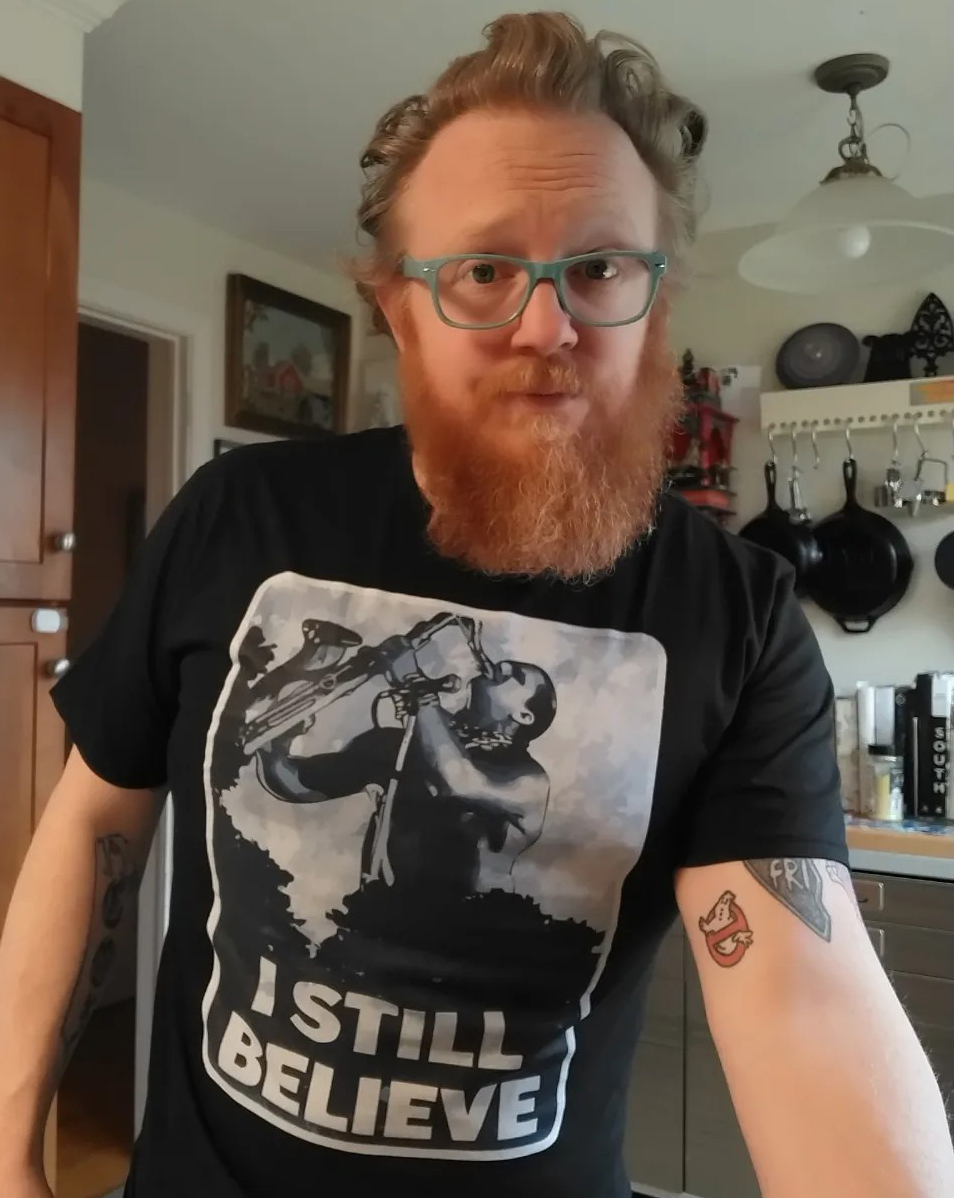
Justin Cox
“My toes are numb,” I said.
“Isn’t it great?” she said back.
We walked on pincushions into the tallest building in the city, young, unafraid and gullible enough to do anything for free tickets to go back to the park the next day.
The building was full of windows and handshakes — they came in waves, from everyone dressed in shirts and neck ties. A man with teeth as white as his collar shoved a bottle of cold water in my hand. A table filled with sandwiches and bags of chips was ours for the taking. Looking down, I didn’t see the red carpet but knew it was there. We were placed in a comfortable room with a thermostat reading 66 degrees. My beet-red skin hollered a hallelujah.
Gone were all the warnings I’d heard, the petitions to stay away from such seedy places.
Things were fine until they weren’t, as I was politely tortured for a couple of hours.
With each “no” out of my mouth, I was met with, “How can you afford not to do this?”
I told them the answer was easy: I didn’t have the money.
It took another hour of me saying this before the message got through.
Finally, we were escorted out, not down the fancy glass elevator, but down the back stairwell reeking of cigarette smoke. The red carpet was gone.
Before leaving, a pair of tickets was thrust into my hands. We went back to the park the next day.
However, I noticed the cotton candy this go-round didn’t taste as sweet. The lines for rides were a little too long. In the words of the once and future B.B. King, the thrill was certainly gone.
Perhaps the kids who were dragged down to Orlando this past weekend might have felt the same.
The tropical storm that is the Southern Baptist Convention made landfall in the City Beautiful, with damage reports still coming in.
“Imagine going to the Magic Kingdom, Harry Potter World, Universal Studios or Legoland, only to end up sitting through the Al Mohler show?”
In addition to their evangelistic outreach opportunities offered before the main meeting, other attractions for attendees included a Minister’s Wives Luncheon and the chance for families to purchase discounted tickets to Disney and other nearby theme parks.
Imagine going to the Magic Kingdom, Harry Potter World, Universal Studios or Legoland, only to end up sitting through the Al Mohler show?
One minute you’re swinging with Spider-Man, the next you’re thrown into a discipleship program.
However, the real difference between a theme park and the annual SBC convention is that the former changes. Disney adds new rides and upgrades every few years. The SBC, on the other hand, sticks to the same attractions year after year — declining membership numbers and cultural collapse.
That’s why the latter uses the sales pitch it does.
I learned the hard way that a timeshare presentation is not about selling property. It’s about selling fear. The salesman doesn’t begin by telling you what you’ll gain. He begins by convincing you of what you’ll lose if you walk away.
Your family deserves this.
Your future depends on this.
You’ll regret passing up this life-changing opportunity.
For years now, this has been the language of the SBC — a convention that functions as a marketplace of anxieties.
Be aware of the impending theological drift!
Look out for cultural accommodation!
Hide your kids from anything smelling of liberalism!
The cause might change from year to year, but the marketing remains the same.
To be fair, fear is not unique to Southern Baptists. Fear and anxiety are a deadly cocktail and easier to swallow than hope. Historically, fear has needed little help filling meeting halls or launching fundraising campaigns.
“Fear sells itself. Hope is different.”
Fear produces clicks and can almost guarantee you a standing ovation.
Fear sells itself.
Hope is different. It requires imagination, patience and trust.
That’s a much harder sell. You can’t cast hope on a spreadsheet.
This is why it comes as no surprise to me that Southern Baptists, year after year, gather in cities, convention centers and hotel ballrooms, mining data in search of that one resolution, amendment or strategy that will ensure their future.
I have a warning for the SBC and other denominations about trusting too heavily in their parliamentary procedures: They can’t save you.
But the good news is, they don’t have to. Jesus already has.
The kin-dom of God does not depend on the business dealings of a convention. Never has, never will.
Maybe that’s what the kids running around Orlando theme parks understand better than the adults. While parents are listening and debating the next cultural crisis, they spend the week riding Space Mountain, watching fireworks and waiting in line to hug their favorite Star Wars character.
That’s a world of wonder. One that sparks hope.
That’s a different message than,
How can you afford not to do this?
How can you afford not to fight this battle?
How can you afford not to panic?
Somewhere, the SBC leaders have forgotten the difference between selling the future and trusting God with it.
In the next few days, as attendees pack their bags and head home from Orlando, I wonder whether more of them will start to feel tired of what they’re being sold year after year.
Who knows? Maybe next June, when the fires of panic are stoked again, they’ll simply answer: “No, thank you. I think we’ll just go back to the park.”
Justin Cox received his theological education from Campbell University and Wake Forest University School of Divinity and McAfee School of Theology, where he received his doctor of ministry. He is an ordained minister holding standing in the Cooperative Baptist Fellowship and American Baptist Churches USA. When not spending time with his spouse and daughters, he can be found writing and baking late into the night. His thoughts and reflections are his own.