

The Fourth of July was a big celebration during my childhood. My siblings and I proudly wore our new red, white and blue outfits while family and neighbors gathered for cookouts.
Children ran around the park or lake until dark. We danced. Adults enjoyed a well-earned day off, good food and their favorite beverages. Like most children, I gave little thought to the deeper meaning of the holiday or to the ideas about patriotism we were quietly consuming alongside the hamburgers, hot dogs, ribs, homemade ice cream and sweet tea.
Today, as a liberatory educator, I experience the holiday differently. Many of my family and friends gather and cook out, but our conversations turn to history, freedom and memory. As tradition for the last decade, we listen to James Earl Jones’ powerful reading of Frederick Douglass’ famous speech “What to the Slave Is the Fourth of July?”
We still enjoy the food and one another’s company, but we also wrestle with the contradictions of celebrating liberty in a nation where our ancestors fought continuously for freedoms others took for granted — and in a country where we are also still seeking liberty and justice.
Those conversations often bring me back to the “Well of Forgetfulness” in Badagry, Nigeria, one of the principal ports from which Africans were forced onto slave ships bound for the Americas. Whenever I think about that well, I am reminded to be careful about what I drink figuratively and literally.
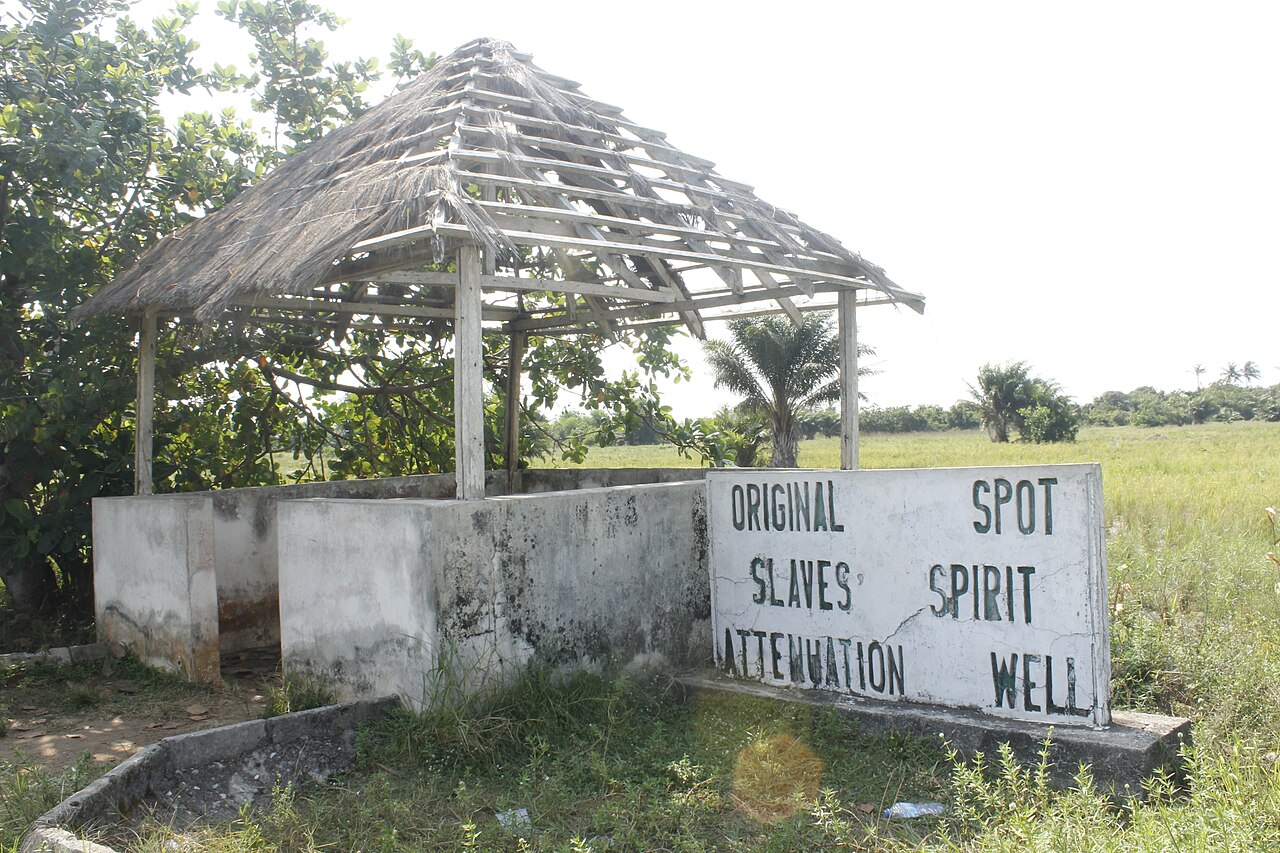
This is a picture of the Spirit Attenuation Well (or the Well of Forgetfulness) used by the slave masters during the slave trade in Africa. This is found along the slave route to there unknown destination in Badagry, Nigeria. (Photo by Yemi Festus, Wikimedia Commons
Historical accounts and local oral traditions tell us captive Africans in Badagry were forced to drink from a well before boarding slave ships. The water was believed to erase memories of home, family, language, religion and culture. Whether understood literally or symbolically, its purpose is unmistakable. People stripped of memory are easier to dominate.
When I first visited Gberefu Island, where the well is located, I was overwhelmed. Tears streamed down my face as I struggled to stand. I previously had visited sites of enslavement in Ghana, Sierra Leone, Cameroon and Barbados, yet nothing prepared me for that moment. Standing beside the well, I felt the weight of a centuries-old attempt to erase my ancestors’ identities. That night, back in Lagos, I dreamed that a white man was trying to enslave me as I desperately fought for my freedom.
I often think about that experience as I observe today’s political and cultural landscape. What amnesia-inducing drink are we being offered now?
What amnesia-inducing drink are we being offered now?
There may be no literal well, but efforts to erase history continue. Across the country, Black history is restricted or politicized. Books are removed from classrooms and libraries. Black studies programs are attacked. Voting rights are weakened. Black political districts are challenged. Together, these actions encourage Americans to forget — not only the brutality of enslavement, but also Black resistance, brilliance, leadership and the central role African Americans played in building this nation.
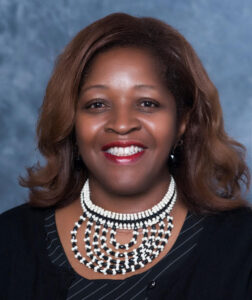
Gloria Boutte
The struggle over Black history never has simply been about the past. It is fundamentally about identity, memory and power.
For centuries, European enslavement severed countless African Americans from their names, languages, ethnic groups and family histories. Much of what was stolen never can be fully recovered. That is why so many African Americans seek to reconnect with ancestral lineages through organizations such as African Ancestry. They are reclaiming pieces of identities that institutional racism worked tirelessly to erase.
Just as many Black people are recovering those histories, renewed efforts seek to interrupt that process once again. The architects of white supremacy have long understood the simple truth that knowledge is power. Black history is power. Black education is power. People who know who they are become difficult to dominate. People connected to their ancestors become difficult to manipulate. People grounded in truth become difficult to deceive.
As Americans celebrate Independence Day, we should ask ourselves not only what freedom means, but also what freedom requires. A democracy worthy of celebration cannot depend upon selective memory. Patriotism should never require historical amnesia.
“The forces that seek to erase history may appear powerful. But they are not more powerful than people who remember.”
This Fourth of July, Black people and our allies must continue protecting Black voting rights, Black history, Black studies, Black literature, Black language, Black educators and Black children. We must support schools, universities, churches, libraries, families and community organizations committed to telling truthful histories.
Most important, we must remember our collective power. An African proverb reminds us, “When spiderwebs unite, they can tie up a lion.”
The forces that seek to erase history may appear powerful. But they are not more powerful than people who remember.
The Well of Forgetfulness failed because our ancestors remembered against horrendous odds. Despite centuries of attempts to erase us, Black people remembered enough to rebuild families, communities, cultures, institutions and movements for justice.
As children, many of us worried about whether the hot dogs were ready and if the fireworks would be spectacular. As adults, we must ask another question: What ideas are we consuming and passing along about freedom, history and ourselves?
This Fourth of July, enjoy the food. Cherish your family. Celebrate what is worthy of celebration. But before you raise your glass, be careful what you drink.
Gloria Swindler Boutte is a distinguished professor at the University of South Carolina and a Public Voices Fellow of the OpEd Project in partnership with the National Black Child Development Institute.