

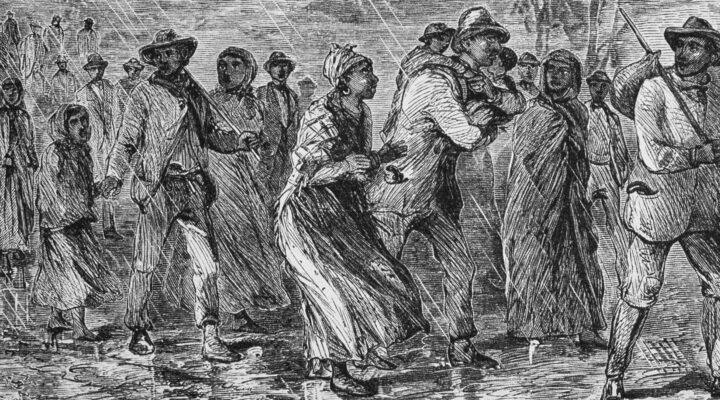
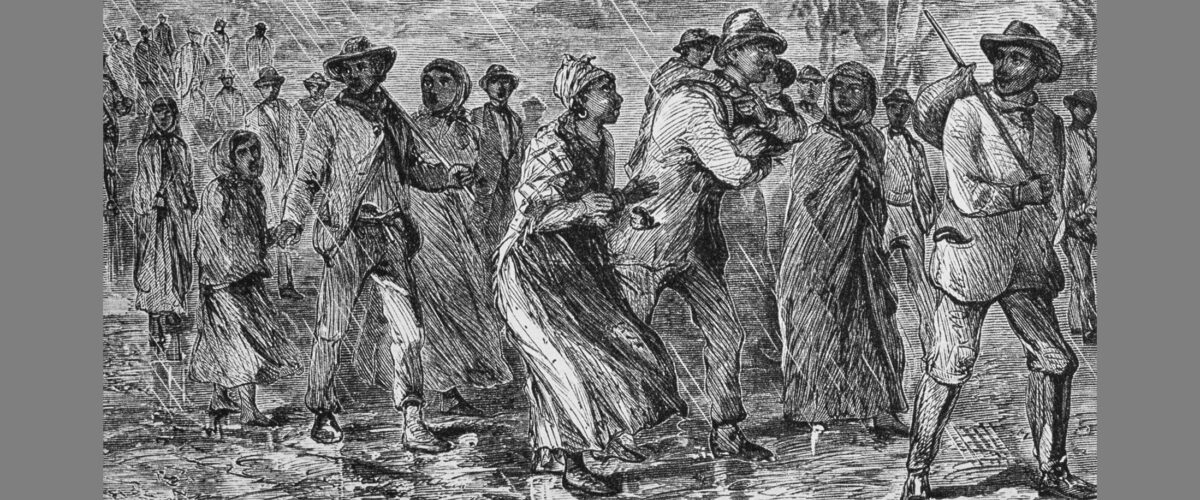
During the lead-up to the Civil War, the Underground Railroad was formed. Many former enslaved individuals, abolitionists and faith communities helped people escape the South to freedom, often in Canada.
Of course, this happened against the law created by the Fugitive Slave Act in 1850 that said it was illegal to participate in helping a slave escape, even in Northern states. Individuals caught breaking the law could face up to six months in prison or a $1,000 fine, which would be equal to about $35,000 to $40,000 today.

Will McCorkle
However, groups like the Quakers broke these laws because they believed they served a higher law and had the moral obligation to resist injustice. There also were Black churches involved like Second Baptist Church in Detroit, which helped former enslaved people escape to Canada. AME churches in New York and Philadelphia also became centers of this movement. Primarily white denominations like the Wesleyan Methodists also became staunch abolitionists.
The same spirit was seen in the 1980s when churches and synagogues resisted the idea that Salvadorans could not be refugees or asylum seekers because they were fleeing a U.S.-backed dictatorship, and many of them openly defied the Reagan administration starting with a small Presbyterian church in Tucson. Some members of this sanctuary movement went as far as actually helping people cross the border illegally because they were doing so from a humanitarian emergency perspective. Some were eventually prosecuted by this administration.
The church must now consider what its role is given the unjust and inhumane immigration policies of the Trump administration. This was highlighted even more after the recent Supreme Court decision that put 350,000 Haitians and 10,000 Syrians at risk for deportation into extreme poverty and danger, possibly death.
The church must stand up and openly defy ICE and the racism exemplified by the Trump administration. The church should do this publicly by speaking out against these actions and by giving shelter and protection to individuals whom the administration is targeting. To do so is to fulfill the higher law of God that Martin Luther King talked about; it is to resist the evil nationalism and xenophobia that would rather put the lives of individuals and children at risk than have a welcoming and just immigration policy.
We look back on our history of slavery and are ashamed. We also condemn the way we treated Jews trying to flee Nazi control in the 1930s. We sent them back to their deaths. In the current moment, the church must not try to stay in an uncommitted middle position but rather should actively support immigrant communities and stand against the xenophobia flooding our land.
As authoritarianism grows, churches may face censure and even direct persecution from the unjust government, but they will be living out the values of the kingdom of God and stand with the churches of the past who put humanity above unjust laws.
Will McCorkle serves as an education professor in Charleston, S.C., and is a board member with Practice Mercy Border Ministries. He writes on the topics of immigration, peace and faith.