

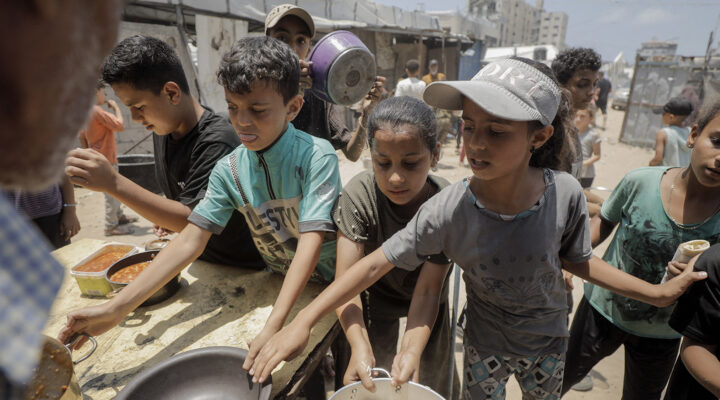
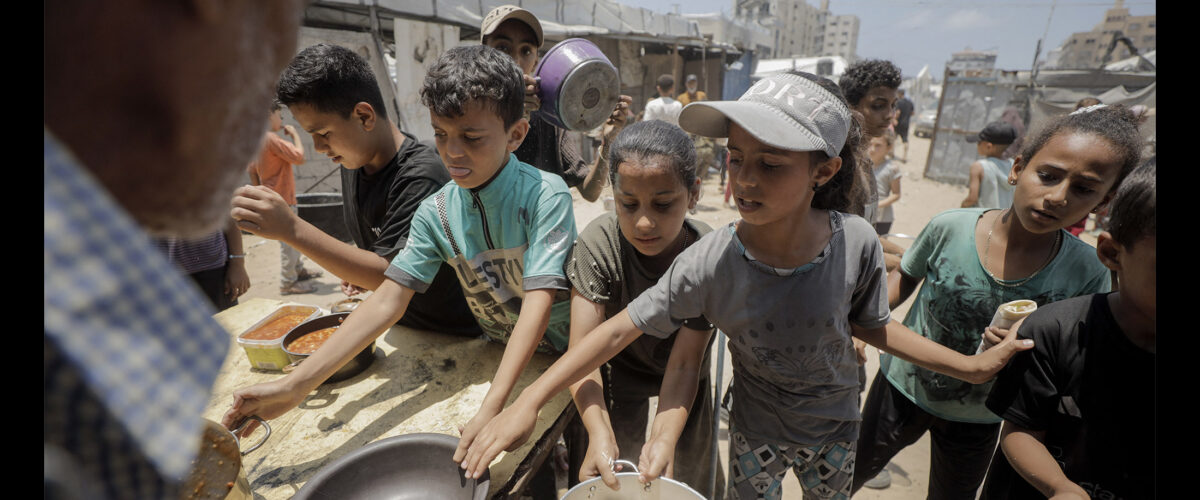
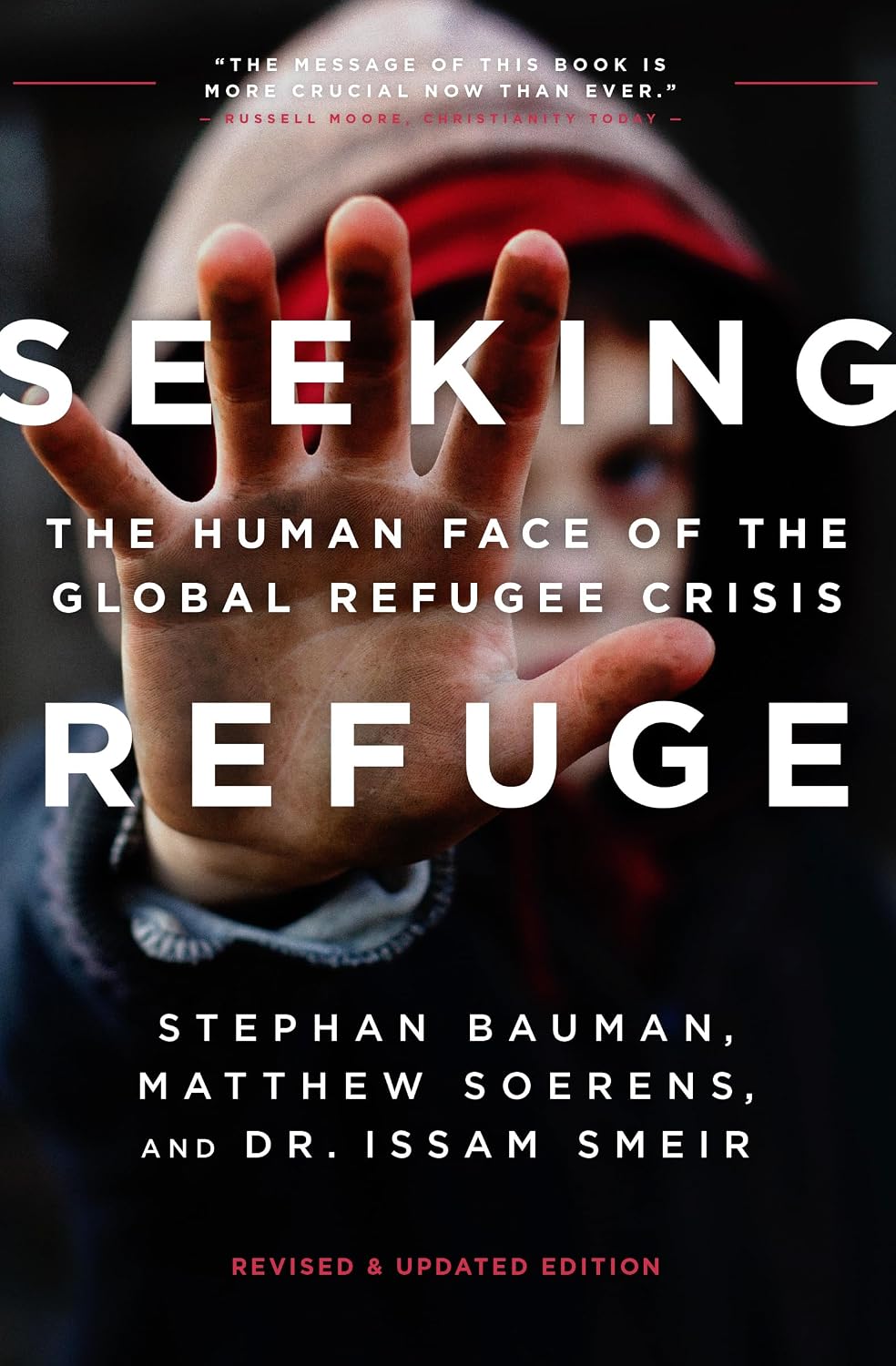
The word “crisis” in the title of World Relief’s updated primer on refugees has a much wider and much more tragic meaning than it did a decade ago, according to one of the book’s authors.
“We used the term ‘crisis’ when we released the first edition in 2016, and in roughly 10 years the scale of global displacement has roughly doubled,” said Matthew Soerens, vice president of advocacy and policy for World Relief and co-author of Seeking Refuge: The Human Face of the Global Refugee Crisis.
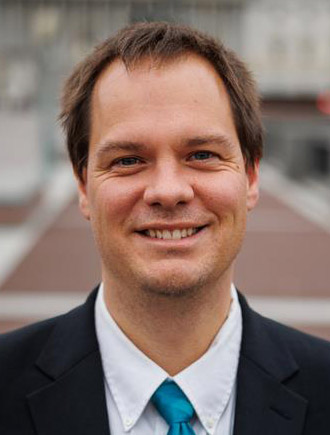
Matthew Soerens
In that span, the number of internationally displaced people has doubled to more than 117 million due mostly to an increase in armed conflicts around world.
“Christian nonprofits tend to use that language of ‘crisis’ maybe a little bit liberally, but the reality is the rise in refugees is a huge crisis for the world and we desperately need the church, including the American church, to be at the center of the response.”
In Seeking Refuge, Soerens and co-authors Stephen Bauman and Issam Smeir present global refugee trends with thorough research, biblical perspective and practical insights drawn from World Relief’s now-suspended resettlement partnership with the U.S. State Department.
“The reality is the rise in refugees is a huge crisis for the world.”
Themes covered in the 224-page volume include details about the plight of refugees, explanations on who qualifies as a refugee, requirements for lawful resettlement and the trauma and cultural challenges faced by refugees.
A new problem has emerged from the Trump administration’s decision to all but eliminate the nation’s refugee resettlement program from 125,000 refugees allowed under President Joe Biden to just 7,500 — mostly white South Africans — allowed under President Donald Trump.
More ominous still, the Department of Homeland Security earlier this year arrested and detained Muslim refugees from Somalia as part of Trump’s mass deportation campaign.
“We were very shocked when refugees were caught up in the immigrant detention dynamics back in January in Minnesota,” Soerens said. “Legally, that should not have happened, and the courts eventually affirmed that and at this point it’s not happening.”
However, the government has stopped processing Green Card applications from refugees and is requiring some to undergo revetting interviews in addition to the background and security screenings they successfully passed to legally enter the United States.
 “We already told them they could come here,” Soerens explained. “Our government flew them here on airplanes and we told them they were here with a permanent legal status, and now our government is reopening that question and that’s profoundly unsettling to a lot of refugees who thought that they could finally exhale and rebuild their lives after all the trauma they had been through.”
The plight of refugees resettled in the U.S. will worsen in the fall when cuts to Medicaid and food stamps go into effect as a result of Trump’s “One Big Beautiful Bill Act,” Soerens said. “These are benefits that they have historically qualified for because they are lawfully present immigrants who have fled persecution.”
The issue of refugees also has become a much more partisan than it was 10 to 20 years ago when most politicians and Americans saw resettlement as “a sort of Statue of Liberty, ‘give me your tired, your poor, your huddled masses’” topic, he added.
“Refugee resettlement was almost a fallback position. In every congressional office we went to you would hear, ‘We disagree with you on these undocumented immigrants, but we all agree on refugees.’”
Among the biggest selling points for resettlement was the fact that refugees underwent thorough vetting overseas. “A lot of politicians on both sides of the aisle and a lot of church leaders felt it was important to help refugees who had escaped persecution,” Soerens said.
But even some congregations historically supportive of resettlement have stepped back from the ministry in recent years, he explained. “It can be very challenging for a leader who is still supportive of refugee ministry to be in a church where this has suddenly become controversial, even when it’s something the church had been involved in for literally decades. Any pastor who newly engages this issue is likely to discover that there’s at least a little bit of pushback within their congregation that frankly probably wasn’t there 10 or 15 years ago.”
But World Relief also has found that many churches are coming forward to help refugees in their area after learning of the global and national trends arrayed against them.
Soerens cited a 2025 Lifeway Research survey that found 70% of evangelicals agree the country has a moral responsibility to accept refugees.
“When I preach in a fairly typical evangelical church on a Sunday on the topic of refugees or immigration more generally, I usually get a positive response from the vast majority of the people in that congregation,” he noted.
His hope is that Seeking Refuge will help mobilize the American church to serve refugees in their communities and to help shape policy by pressing Congress to act.
“We would love to see the church use their voice be stewards of the influence they have to encourage the government to admit at least some refugees into the country with appropriate vetting,” he said. “We have found that’s not a particularly controversial message for most evangelical, Mainline or Catholic churches.”