


On Nov. 3, Black women did what we always have done. We organized, we showed up, and we carried this country across the finish line. Here in Georgia, Keisha Lance Bottoms became the first Black woman ever elected governor of a U.S. state.
Black women also won Georgia’s races for attorney general, secretary of state, school superintendent and several other statewide offices. Nationally, 93% of Black women backed Democratic House candidates, while more than nine in 10 said they were unhappy with the direction of the country.
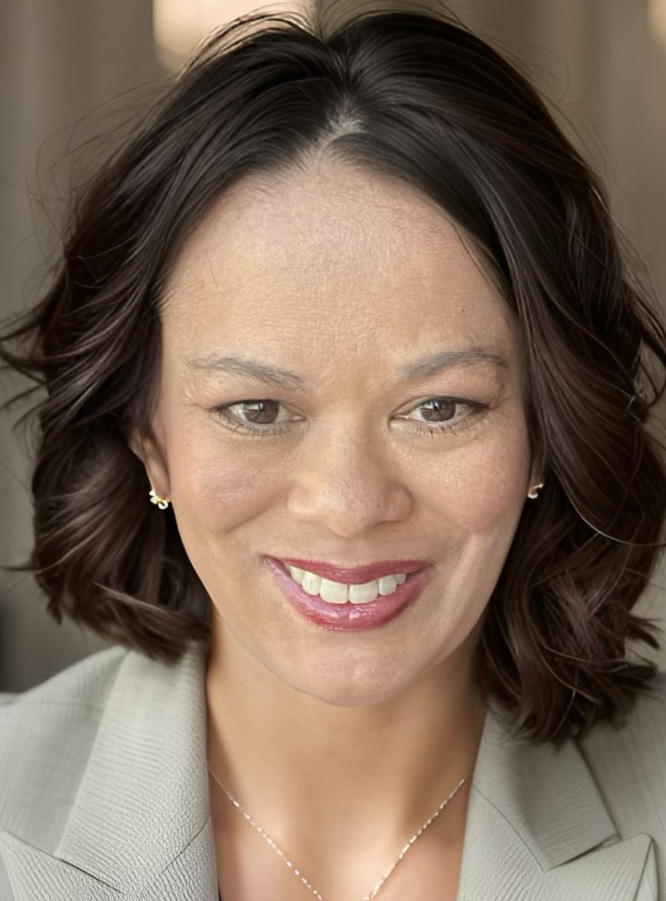
Nicole Wiesen
In January, three Black women will serve in the U.S. Senate at the same time for the first time in American history.
I celebrated. I cried a little. I thanked God. But Scripture warns us not to confuse a harvest with the work that comes after it. “Faith without works is dead,” James tells us. Elections work the same way. A victory without follow-through is just a party.
So now I have to ask the uncomfortable question: Now that we have won, will they listen?
The game has changed
Make no mistake, this election changed the game. It came in the same year the Supreme Court gutted the Voting Rights Act and states redrew maps to weaken Black representation. Even former Vice President Kamala Harris called the results “a huge wake-up call” for her party.
But wake-up calls do not mean much if people hit snooze. I have watched this play happen before. Communities get mobilized in October. In November, the cameras leave. By February, the decisions are being made in rooms where none of us are sitting.
The real test of this moment is not who won. It is who gets invited to help govern.
“The real test of this moment is not who won. It is who gets invited to help govern.”
Who gets a seat?
Let me be plain about who I am, because it matters to this question.
I am a Black woman. I hold degrees in social work and public health. I teach, I conduct research and I design programs that help people come home from prison and stay home. I also am formerly incarcerated.
That last fact usually changes how people see the rest of my résumé. In some rooms, my education makes me “qualified.” My incarceration makes me “a story.” People rarely allow me to be both at once.
Yet both together are exactly what policymakers need right now. I know what a cell feels like. I know what it is like to fill out a job application with a box that ends the conversation before it begins. I know what it is like to look for housing, health care and dignity when the system already has labeled you. I also know how to read the data, evaluate a program and design an intervention that actually works. Lived experience is not a soft credential. It is expertise that cannot be learned from a textbook.
So when the new administrations begin putting together transition teams, advisory boards and policy councils, I want to know: Will people like me be there? Or will those seats go to the usual names, the donors’ children, the old campaign friends and the people whose biggest qualification is knowing someone?
The danger of fumbling the ball
Nepotism does not always show up as obvious corruption. More often, it is comfort. Leaders pick people who look like them, talk like them, and have never made them uncomfortable. They call it trust. Then they wonder why the policies fail the people they were meant to serve.
If this new class of leaders fills its offices with familiar faces and leaves out the people who have lived the problems, they will fumble the ball. It will not be because they lacked good intentions. It will be because they had the playbook in hand and still would not let the right players onto the field.
Here is what I am asking for, specifically.
“Put directly affected people in decision-making seats, not just on listening tours.”
First, put directly affected people in decision-making seats, not just on listening tours. Being heard is different from having authority. Formerly incarcerated people, families of the incarcerated and residents of under-resourced neighborhoods should have voting power on advisory bodies, not just a few minutes at a public comment microphone.
Second, hire people with lived experience. They should be paid as professionals, not invited as unpaid “community voices.” Our time and knowledge have value.
Third, publish how appointments are made. Transparency is the best cure for nepotism. If a seat is filled, the public deserves to know the criteria and the process.
Fourth, measure results and share them. As a public health professional, I believe in data. Leaders should commit to clear outcomes, including fewer people returning to prison, better access to health care, and stable housing, and they should report back to the communities that elected them.
A word to the church
To my Baptist family, this is our work too. Jesus did not wait for people to clean themselves up before he sat with them. He ate with tax collectors, touched the untouchable and told a man dying on a cross that he would be with him in paradise. The kingdom table always has included people the powerful would have left out.
Our congregations can push for that same kind of table in public life. Ask your new representatives who is advising them. Invite returning citizens to speak from your pulpits and serve on your committees. Make proximity a habit, not just a slogan.
Now the work begins
Black women rose. We delivered, as we have so many times before. But we did not vote just to see new faces in old patterns. We voted for a different way of governing, one where those who suffer the most are not just talked about but are part of the conversation.
I am ready to serve. Many of us are. The only question left is whether the people we elected will open the door, or whether they will hand the keys to the same few hands and hope we do not notice.
We will notice. We always do.
Nicole L. Wiesen is a nationally recognized expert in Post-Incarceration Syndrome, public health social worker, consultant, lecturer and author. She is the founder of Returning Her Home, a trauma-informed reentry housing and support initiative dedicated to helping women heal, stabilize and successfully reintegrate following incarceration.