

The arts — in whatever form they take — play an important role in all societies. In fact, archeologists often look to the artistic and cultural remnants of a society to understand what it valued and believed.
In addition to creating a shared identity, the arts create shared empathy.
Over the last 10 years, multiple scientific studies have found audience members attending live performances experience synchronization in some physiological processes like heart rate, breathing rate, brain activity and electrical conductivity of the skin. It doesn’t matter whether the live art form they are experiencing is theater, dance or music — as Joseph Devlin of University College London noted in 2017, experiencing live performance “was extraordinary enough to overcome group differences and produce a common physiological experience in the audience members.”
Art, then, is a powerful medium. It has the potential to both reflect and to shape collective memory.
“Fascist regimes target them first to force a collective narrative on the masses.”
Because of this, artistic and cultural institutions are the canaries in the proverbial coal mine of a society. Fascist regimes target them first to force a collective narrative on the masses. Once these institutions fall, independent media soon follows and there is no one left to publicly call out the actions of an oppressive state.
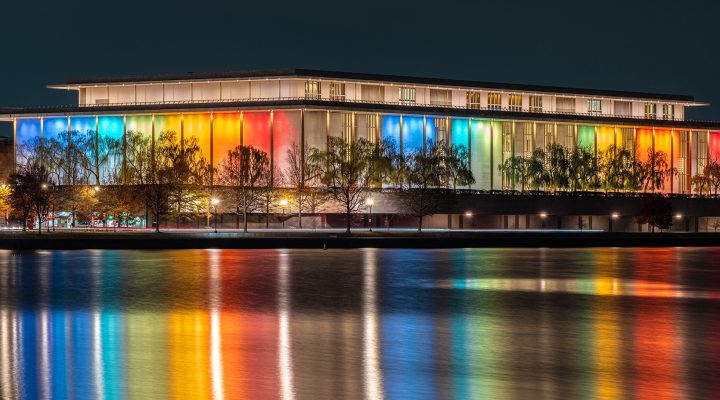
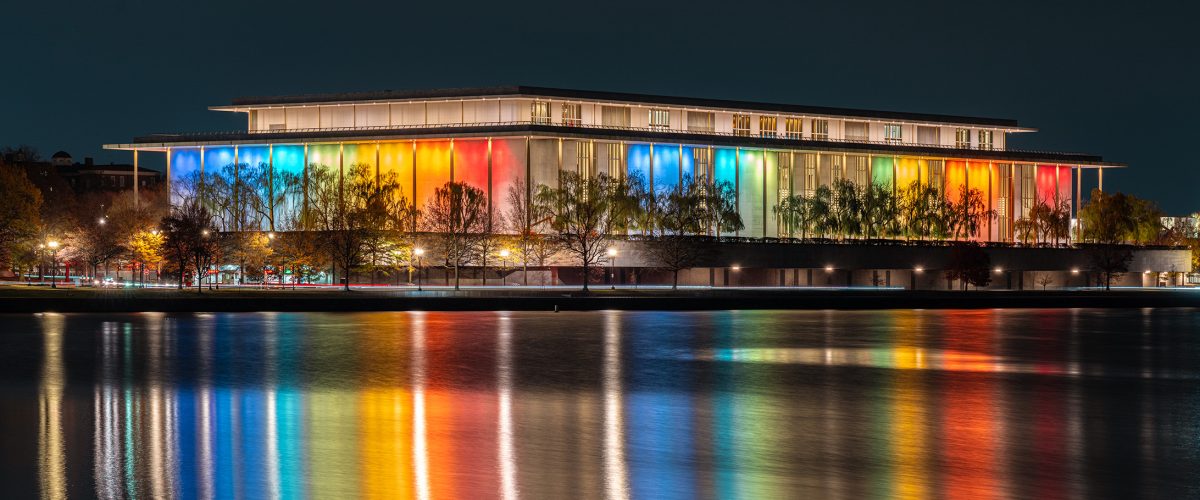
This is why President Donald Trump’s hostile takeover of the Kennedy Center — one of the largest performing arts organizations in the United States — should alarm everyone.
We’ve seen fascist takeovers of the arts and culture before
At this point, it would be easy for artists and journalists to compare Trump’s takeover of the Kennedy Center and his assault on arts, media and culture via executive orders to what occurred in Nazi Germany in March 1933 when the Reich’s Ministry for Enlightenment of the People and for Propaganda (REPP) was founded and placed under the control of Joseph Goebbels.
But given the habit of both the political class and the general public to willfully overlook such comparisons and the tendency of MAGA supporters to label such comparisons as a form of “Trump Derangement Syndrome,” it is more helpful for artists and journalists today to see Trump’s hostile takeover as part of a worldwide, right-wing reactionary phenomenon.
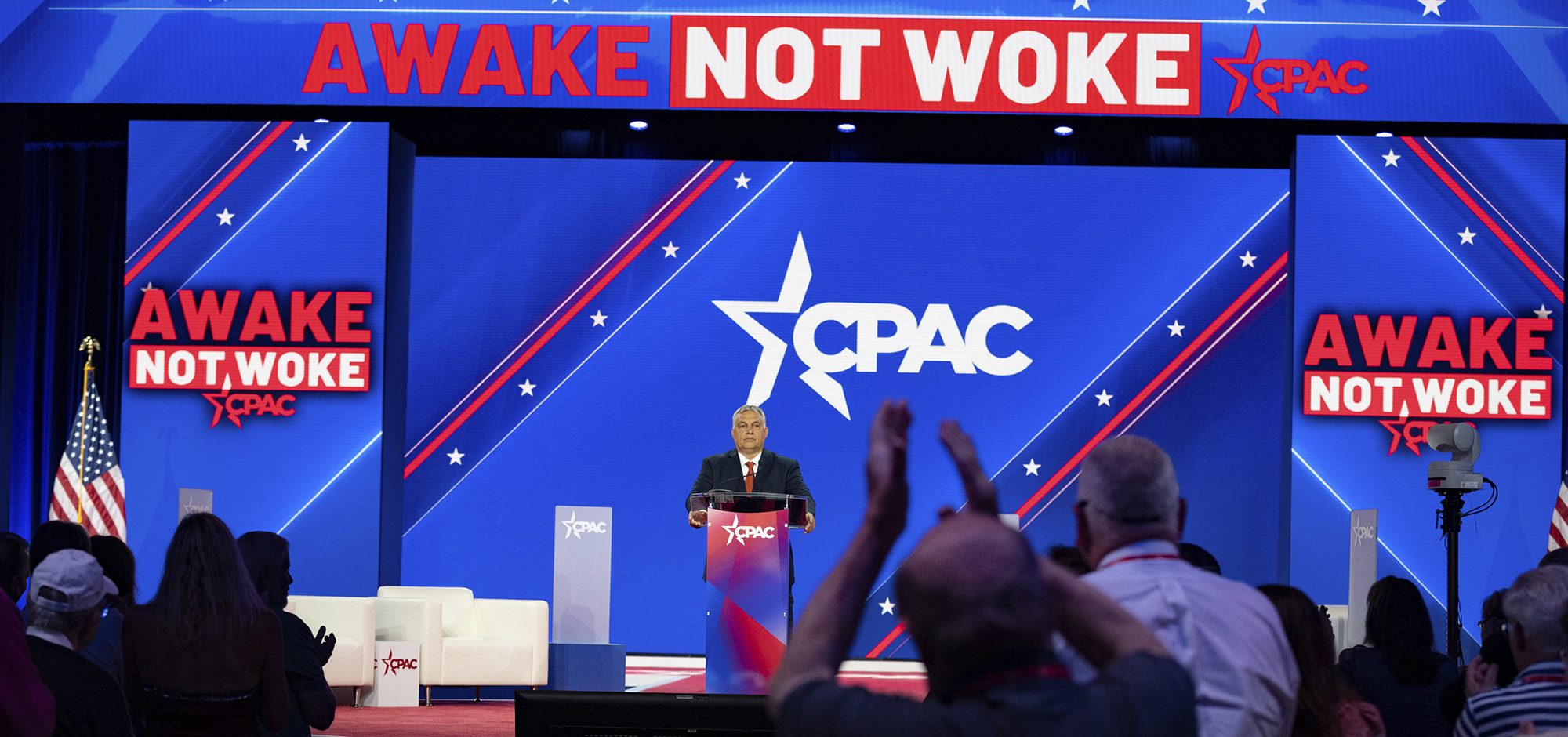
Hungarian Prime Minister Viktor Orban recieves cheers blaming globalists, George Soros for Western countries woes at CPAC In Dallas, Texas on Aurgust 4, 2022. (Photo by Zach D Roberts/NurPhoto via AP)
Hungary, May 2010
Following a landslide victory bringing the far-right party FIDESZ and its figurehead, Prime Minister Victor Orban, to power, the government rewrote Hungary’s constitution. In an unusual move, the government placed the country’s arts and culture sector under the State’s control via the Hungarian Academy of Arts or MMA.
Initially founded as a private association of conservative artists, Orban’s government elevated the MMA, giving it preferred government status. In short-order, the MMA became the voice of the government seeking to “prioritize state support of ‘works reflecting a Christian-nationalist ideology.’”
In 2019, the government further consolidated its power over the arts and culture sector across the country through funding cuts and media censorship. The last independent radio broadcaster was forced off the air in 2020.
Hungarian media, arts and culture are now fully under the control of the government. According to Artistic Freedom Initiative’s 2021 report on the state of artistic and journalistic freedoms in Hungary:
As well as limiting the dissemination of art itself, the nationalization of media has also minimized the role that artists and arts institutions play in matters of public discourse. Artists often play a key role in publicly discussing, debating and protesting restrictions on essential democratic rights. However, the function of the artist as a public critic is dependent on securing an amplified public forum, such as an independent media. Several interlocutors interviewed for this report lamented the lack of media coverage given to efforts made by arts communities to resist the democratic backsliding in Hungary. One interlocutor formed a protest group which disbanded after three years of activity, primarily because of the disappearance of the independent media organizations which would typically report on their protests and amplify alternative voices on matters of public interest.
Poland, October 2015
Elections brought the populist, right-wing Law and Justice Party to power. The party has enacted laws and instituted policies to weaken the judiciary’s independence as well as eliminate independent media.
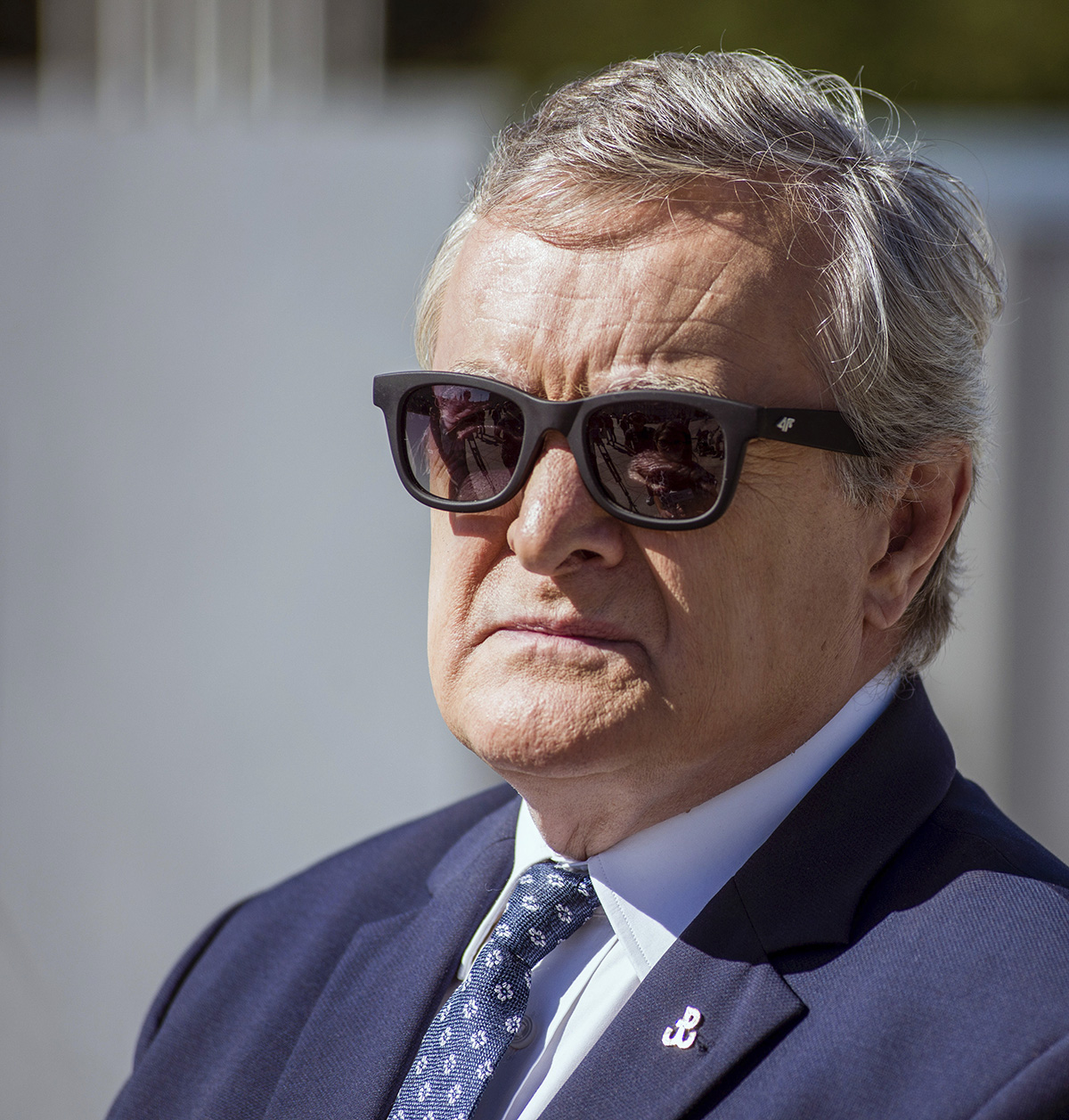
Piotr Glinski (Photo by Attila Husejnow / SOPA Images/Sipa USA via AP Images)
In 2016, the party’s deputy prime minister, sociologist Piotr Gliński, was named minister of culture and national heritage. Gliński had long been outspoken against LGBTQ and women’s rights and, in his new role, considered himself a “guardian of public morality.” He removed arts leaders whom he considered to be liberal and replaced them with conservative loyalists.
According to Artistic Freedom Initiative’s 2022 report “Cultural Control: Censorship and Suppression of the Arts in Poland,” the ruling party sought to enforce an imagined historical narrative of the country’s greatness:
A central part of PiS’s efforts to ‘rebuild the Polish state’ is the near complete remodeling of Poland’s arts and cultural landscape to more closely reflect the Party’s socially conservative and nationalist ethos. Under the leadership of Piotr Gliński, the Ministry of Culture and National Heritage (“The Ministry of Culture”) has sought to reorient artistic and cultural production to foreground the glorification of the Polish nation, the heroism of ethnic Poles, the primacy of Catholic values, and the centrality of the patriarchal family unit in Poland’s daily life. As early as 2016, PiS’s Deputy Minister of Culture, Wanda Zwinogrodzka, clearly articulated the party’s cultural agenda: “The aim of this new policy should not be … a will to reconstruct an inherited tradition according to a pattern of contemporary political correctness that re-educates backward Poles for postmodernity. … The aim should be defined completely differently, namely as the strengthening of the crumbling and ever shredding communal bonds of the nation.”
The government regularly used the country’s blasphemy and defamation laws to charge artists whose work was deemed a threat to the government’s preferred national narrative. “Both (laws) give enormous power to right-wing non-state actors to file suits against artists that challenge Catholic or nationalist historical beliefs.”
Eight years later, in October 2023, the Law and Justice Party was ousted and the Civic Coalition under Prime Minister Donald Tusk took power. Since then, a priority of Tusk’s government has been the reversal of the previous administration’s artistic and cultural appointments, a restoration of arts funding, and a return of artistic freedoms. Tusk’s government has also ousted the far-right appointees who ran the state-funded media organization TVP as a propaganda machine.
Croatia, January 2016
A new right-wing ruling coalition within the government came to power and appointed Zlatko Hasanbegović — a vocal and unrepentant fascist — as the government’s new culture minister. Even though he had no experience in arts and culture and adhered to a revisionist history of World War II, Hasanbegović’s appointment was seen as a political nod to the country’s powerful far-right forces who hoped to reshape the country’s liberal democracy.
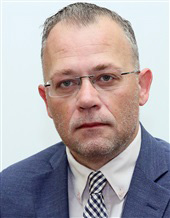
Zlatko Hasanbegovic
Hasanbegović’s first action as minister was to dismiss the council for nonprofit media that oversaw funding for small arts groups. He then focused the state’s efforts on suppressing various media programs while supporting ones that promoted a nationalist culture.
In response, artists across the country found inspiration from the past as they staged very public performance-art experiences criticizing the censorship and symbolic violence of the state. When journalist Ljubica Letinić saw two of her radio shows silenced, she and others began creating gorilla radio:
We put an antenna on a rooftop and did one-day radio show. This is maybe how we could do it in the future, we could start broadcasting pirate radio shows. Set the day and the time, once per week, and broadcast for an hour. Along the lines of what was done in World War II.
In more recent elections, the ruling coalitions have managed to hold back the more fascist elements within the country, slowing the assault on the arts.
Russia, February 2022
Immediately after Vladimir Putin’s invasion of Ukraine, all independent media was banned. Additionally, the Russian Culture Ministry began a purge of artists and art institutions throughout Russia. The government brought back the 1930s Soviet-era relic of “minders,” and these days all major theaters are assigned one of these government “curators” from the FSB (the KGB’s successor) to determine what art is allowed onstage. There is no independent media.
Individual artists who dare criticize the war with their art face harsh penalties. In May 2023, theater director Yevgenia Berkovich and playwright Svetlana Petriychuk staged the play Finist, the Brave Falcon. While the play did not directly criticize Putin’s government, the artists had been outspoken in the press about their opposition to the invasion of Ukraine.
They were arrested for their production and in June 2024 both were convicted of “justifying terrorism” and sentenced to six years in prison.
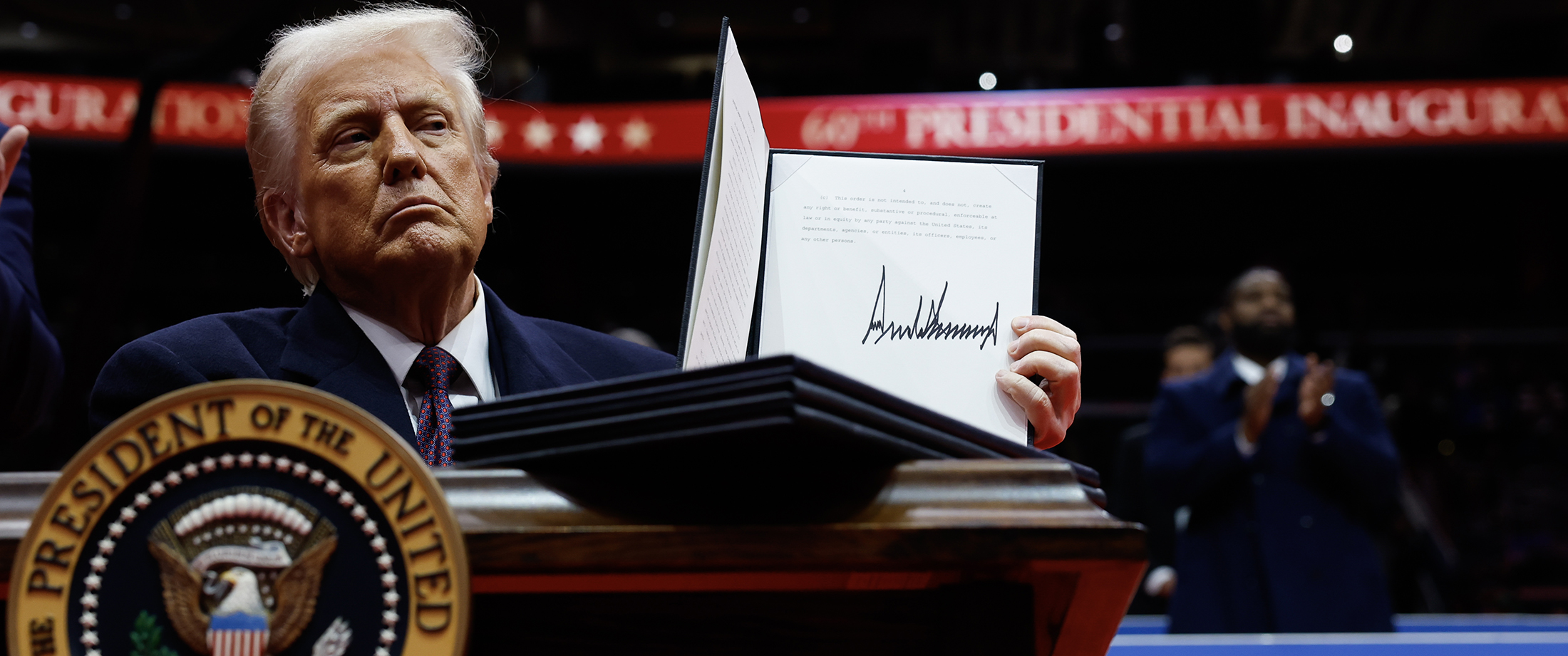
President Donald Trump holds up an executive order after signing it during an indoor inauguration parade at Capital One Arena on January 20, 2025, in Washington, D.C. (Photo by Anna Moneymaker/Getty Images)
United States, January 2025
President Donald Trump signed a number of ideologically driven executive orders that were both vague in their intent and hostile in their wording. Among these orders were three that foreshadowed Trump’s plans to seize control of the arts and culture sector in the United States:
EO14147, titled “Ending the Weaponization of the Federal Government,” ordered a review of all actions taken in the last four years by agencies that hold “civil or criminal enforcement authority of the United States” under the false premise that “the American people have witnessed the previous administration engage in a systematic campaign against its perceived political opponents, weaponizing the legal force of numerous federal law enforcement agencies and the intelligence community against those perceived political opponents in the form of investigations, prosecutions, civil enforcement actions and other related actions.”
EO14151, titled “Ending Radical and Wasteful Government DEI Programs and Preferencing,” ordered the director of the Office of Management and Budget, assisted by the attorney general and director of the Office of Personnel Management to “coordinate the termination of all discriminatory programs, including illegal DEI and “diversity, equity, inclusion and accessibility” mandates, policies, programs, preferences and activities in the federal government, under whatever name they appear.” According to this order, “the Biden administration forced illegal and immoral discrimination programs, going by the name ‘diversity, equity and inclusion,’ into virtually all aspects of the federal government, in areas ranging from airline safety to the military … (demonstrating) immense public waste and shameful discrimination.”
EO14148, titled “Initial Rescissions of Harmful Executive Orders and Actions,” rescinded a number of executive orders issued by President Biden including EO14084, titled “Promoting the Arts, the Humanities, and Museum and Library Services” which reestablished the President’s Committee on the Arts and the Humanities to support the belief that “the arts, the humanities, and museum and library services are essential to the well-being, health, vitality and democracy of our nation. They are the soul of America, reflecting our multicultural and democratic experience.”
It’s important to note the President’s Committee on the Arts and Humanities — a nonpartisan advisory body established by President Ronald Reagan — also was disbanded during the first Trump presidency. As The Atlantic recently noted:
“This memo was also the first tactical advance on the arts in the U.S.”
During his first year in office, all 17 members of the President’s Committee on the Arts and the Humanities, a nonpartisan advisory body whose members at the time had been appointed by President Barack Obama, resigned over what they called Trump’s “hateful rhetoric” following the white-nationalist demonstration in Charlottesville, Va. Trump later disbanded the group, rather than replace the committee, which was established by Ronald Reagan.
On Monday, Jan. 27, the Office of Management and Budget issued a memo freezing all previously budgeted and approved federal grants.
By Tuesday, all 50 states were unable to access the federal Medicaid portal, prompting the OMB to rescind the memo in the face of multiple lawsuits. While the focus of politicians and the general public was on nonprofit organizations addressing human services like hunger and housing, this memo was also the first tactical advance on the arts in the U.S.
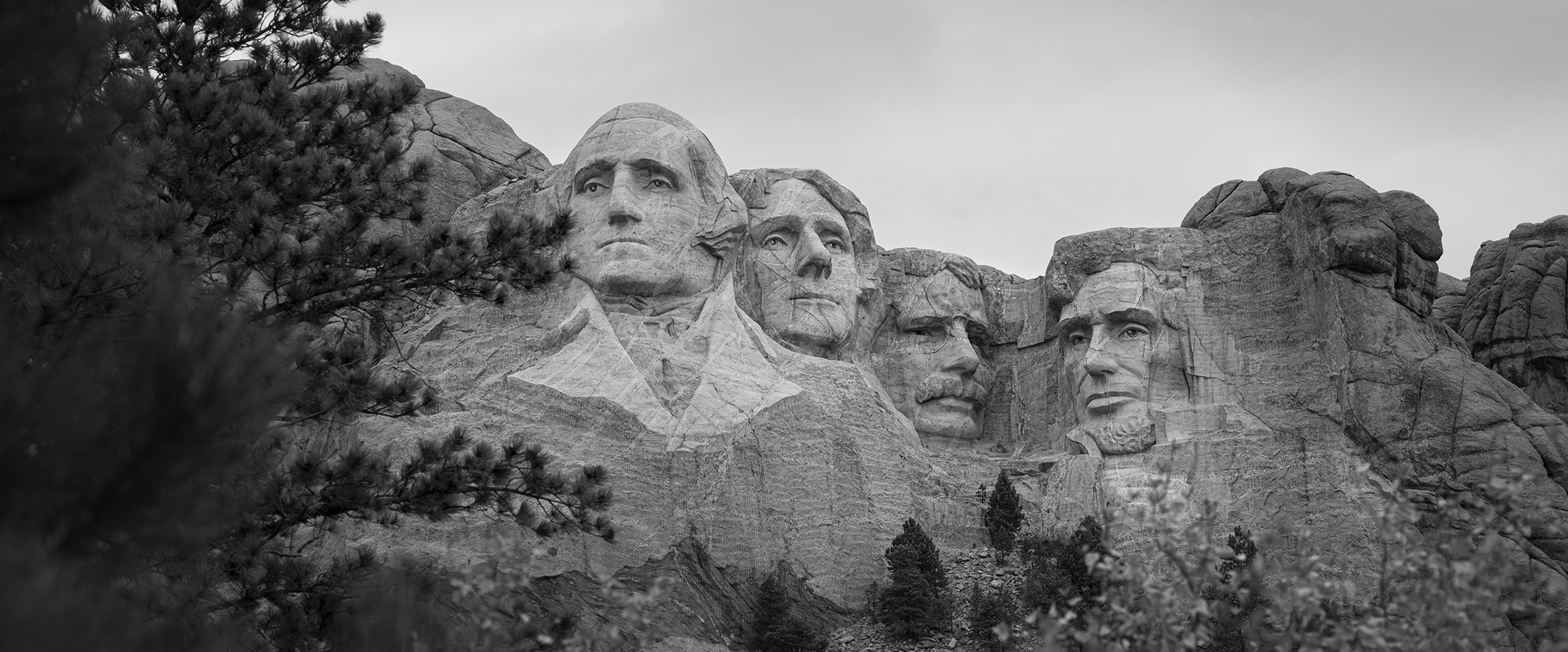
Mount Rushmore (123rf.com)
Monuments and stories
On Jan. 28, Republican Congresswoman Anna Paulina Luna from Florida introduced legislation to have Trump’s image carved into Mount Rushmore, saying:
President Trump’s bold leadership and steadfast dedication to America’s greatness have cemented his place in history. Mount Rushmore, a timeless symbol of our nation’s freedom and strength, deserves to reflect his towering legacy — a legacy further solidified by the powerful start to his second term. He will be forever remembered among the great like Presidents George Washington, Thomas Jefferson, Abraham Lincoln, and Theodore Roosevelt.
On Jan. 29, Trump issued EO14189, “Celebrating America’s 250th Birthday,” establishing the White House Task Force on Celebrating America’s 250th Birthday comprised of the president, vice president and all of the agency heads from the State Department, Treasury Department, Defense Department and so forth to plan an aesthetic celebration of the country’s founding.
“Strangely, the task force will be administrated by the secretary of defense.”
Strangely, the task force will be administrated by the secretary of defense, the unapologetically white nationalist Pete Hegseth. The executive order also reinstates Trump’s previous executive orders: EO13924 “Building and Rebuilding Monuments to American Heroes” and EO13978 “Building the National Garden of American Heroes.” Both orders from Trump’s first term were issued in response to the removal of Confederate monuments, especially following the protests of 2020 in which some Confederate monuments were graffitied. EO13924 states:
To destroy a monument is to desecrate our common inheritance. In recent weeks, in the midst of protests across America, many monuments have been vandalized or destroyed. Some local governments have responded by taking their monuments down. … These statues are not ours alone, to be discarded at the whim of those inflamed by fashionable political passions; they belong to generations that have come before us and to generations yet unborn. My administration will not abide an assault on our collective national memory. In the face of such acts of destruction, it is our responsibility as Americans to stand strong against this violence, and to peacefully transmit our great national story to future generations through newly commissioned monuments to American heroes.
With Trump’s most recent executive order reinstating this effort to honor “heroes” from the past, the American public will be subjected to monuments of Trump’s choosing as he is the one to select whom America will honor as “heroes.”
In response to Trump’s executive orders labeling all kinds of activities as “DEI,” on Feb. 6, the National Endowment for the Arts canceled its “Challenge America” grant opportunity for the coming year. This program funds arts programming in “underserved” communities across America. The irony is this program primarily benefitted rural, white communities that lack access to the arts.
Kennedy Center
On Friday, Feb. 7, Trump announced his intention to dismiss the board of the Kennedy Center in Washington, D.C. — including Chair David Rubenstein, a financier and philanthropist initially appointed to the board by President George W. Bush and someone who has donated more than $111 million to the center in recent years. The president then floated the idea of appointing himself as chair.
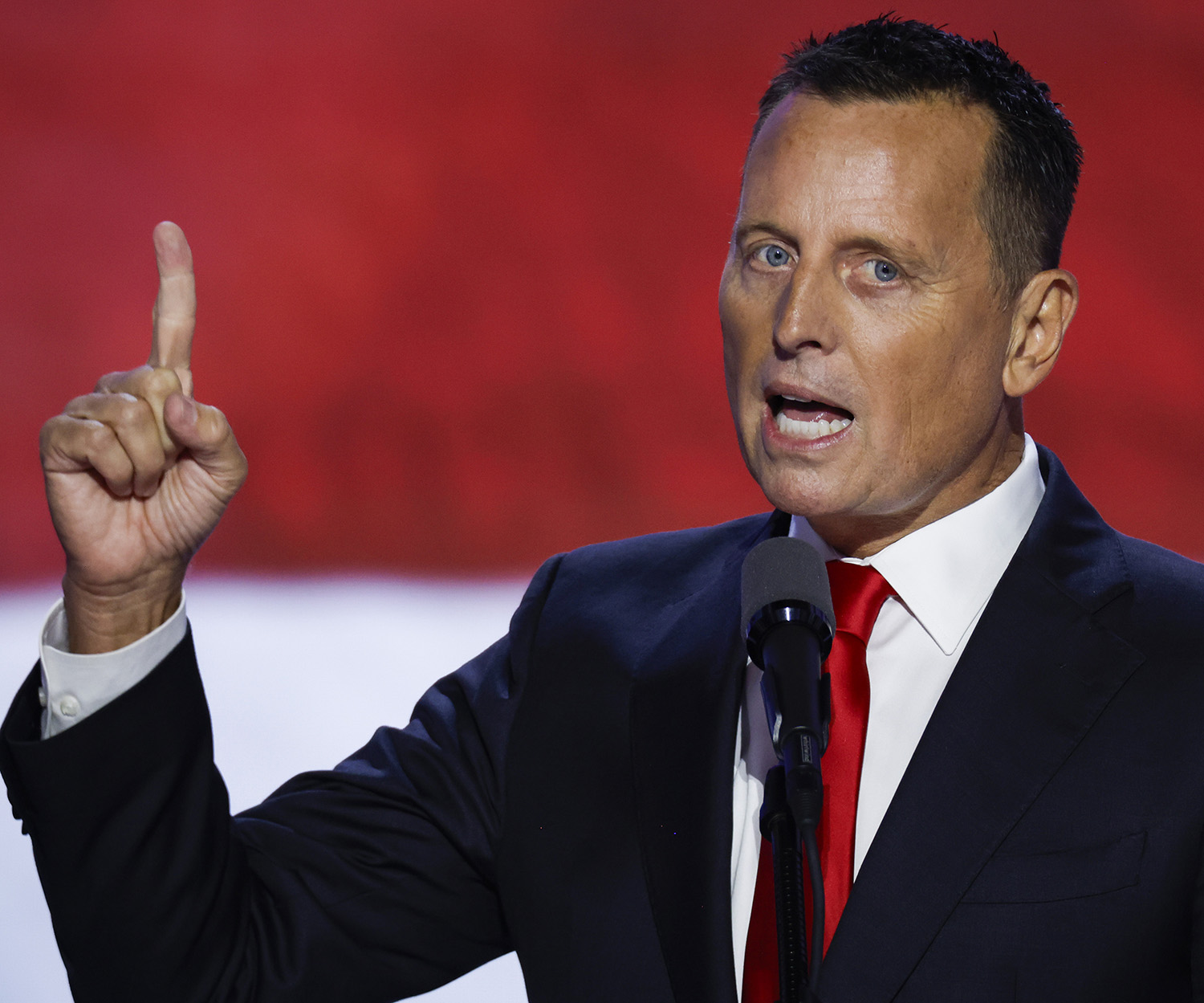
Ric Grenell speaks on stage on the third day of the Republican National Convention at the Fiserv Forum on July 17, 2024, in Milwaukee. (Photo by Chip Somodevilla/Getty Images)
On Monday, Feb. 10, Trump followed through on his Friday night threat and removed the Kennedy Center’s board. He also announced on Truth Social he was naming his caustic ally, Richard Grenell, as the “interim executive director,” a position that did not exist.
Grenell, ambassador to Germany during the first Trump term, has been described by his former business partner as a “soulless, shameless sellout.” Susan E. Rice, policy adviser to both Biden and Obama, called him “one of the most nasty, dishonest people I’ve ever encountered.”
Despite Trump’s admission that he never has attended a performance at the Kennedy Center, he announced Grenell’s appointment over Truth Social, writing that Grenell “shares my Vision for a GOLDEN AGE of American Arts and Culture.” Grenell will be overseeing “daily operations” to ensure there is no more “ANTI-AMERICAN PROPAGANDA.”
On Wednesday, Feb. 12, the Kennedy Center’s new board — made up entirely of Trump appointees — elected Trump chairman of the board. They also terminated the organization’s president, Deborah F. Rutter, who had just announced two weeks ago that after 10 years on the job she would be stepping down at the end of 2025. Trump’s board replaced her with Grenell as “interim president.”
The effects of the hostile takeover of one of the largest cultural centers in the United States will play out in the coming weeks and years.
As we have seen in Hungary and Russia, the takeover of arts institutions has led to total control of the media and the jailing of artists. On the other hand, in Croatia and Poland, the right-wing extremists were able to damage freedom of expression but were unable to fully silence artists. These two countries are now clawing their way back toward liberal democracy and away from fascism.
The assault on American democracy is real. Now is the time for artists, arts patrons, journalists and the media in the United States to step forward to help preserve the freedoms we all value.
Mara Bim
Mara Richards Bim serves as a Clemons Fellow with BNG and as program director at Faith Commons. She is a spiritual director and a recent master of divinity degree graduate from Perkins School of Theology at SMU. She also is an award-winning theater artist and founder of the nationally acclaimed Cry Havoc Theater Company which operated in Dallas from 2014 to 2023.
Related articles:
Hiding behind the flag | Opinion by Mark Wingfield
A doorway to the sacred: Encountering God in the theater | Opinion by Stephanie Lape
A pastoral dilemma about art and nudity: embodied faith and raising children in the church | Opinion by Mark Wingfield