

By Jeff Brumley
International mission work is taking on a whole different look — at least the way it’s being practiced by some Baptists in North Carolina.
And yes, that means in North Carolina, not Uganda or Costa Rica or anywhere else overseas.
It began last year with the arrival of Kim and Marc Wyatt, Cooperative Baptist field personnel who specialize in ministering to refugees, immigrants and other internationals by connecting them with local congregations with the desire and capacity to minister to them.
It’s a big shift and a significant one because it turns the concepts of missions on its head, said Larry Hovis, executive coordinator of CBF of North Carolina.
Instead of congregations sending missionaries overseas to serve those in need, the Wyatts are here to show congregations how to do that right in their own communities, Hovis said.
“Their main job is to equip and energize our congregations to engage in the mission,” he said of the couple who are working in Raleigh. “They are here to teach us and empower us and work alongside us and ultimately to give the ministry away.”
Ministry matchmakers
Still, the Wyatts’ approach is one they developed during several years of international mission work.
The native North Carolinians’ first post was in Thailand. Their next post, in Canada where working with international populations in some of Canada’s largest cities clued them into a new way of being missionaries.
“We had a missional conversation about what it means to be a missionary,” Kim Wyatt said.
Essentially it was that they didn’t have to go to the “uttermost parts of the Earth” to minister to those “from the uttermost parts of the Earth,” she said.
The couple saw that “they are also right here and they are our neighbors.”
The Wyatts’ practice in Canada had been to befriend foreigners living in Canada, whether they were academics, students, impoverished refugees or wealthy business executives.
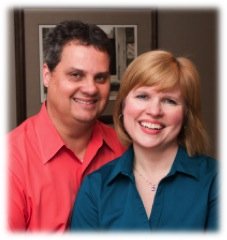
But they quickly saw they could personally build relationships with a limited number of people. So they started involving local Baptist and other churches.
“I say that I am a matchmaker,” Kim Wyatt said. “I match newly arrived folks … with Christians who have probably lived in the same house for 25 years.”
The experience has been transformative. Local Christians built friendships with people from often-stereotyped cultures, while the internationals dispeled myths about Christians learned in their native countries.
Churches have been able to fulfil the biblical value of hospitality for the foreigner and as a result often find themselves transformed as some internationals join their faith and congregations.
“It has revitalized [those] who welcomed what the refugees brought to their churches,” Kim Wyatt said.
Shifting missions paradigm
And that’s what got Hovis’ attention in North Carolina.
During a sabbatical visit with the Hyatts in 2012, Hovis said he saw how some congregations were rejuvenated by their participation in the Wyatts’ work and wondered “could they do the same thing here [that] they did up there?”
The contexts were similar, he added. Canada achieved an advanced post-Christian culture years before the United States, making the Wyatts’ approach especially relevant now.
Also relevant is their approach to doing foreign missions domestically.
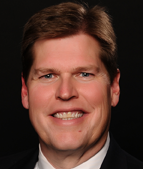
The old model saw churches send missionaries overseas, with the missionaries being extensions of a church’s programs, Hovis said.
“We traditionally thought of missionaries as working on our behalf in places where we can’t go,” he said. “And occasionally they would host us on mission trips.”
But that doesn’t work anymore — especially as churches experience membership declines and falter financially.
Immigration, meanwhile, has also changed the picture.
“The mission field has come to us and we need to learn how to engage our mission field,” Hovis said. “We can’t do business the way we’ve always done it.”
‘A whole new consciousness’
The Wyatts say embracing that new concept of mission work also means churches transforming how they conceive of ministry.
Embracing internationals, for example, doesn’t mean inviting them to church for coffee or free clothes.
Instead, it means being willing to build relationships — friendships — with all kinds of people from all kinds of places.
“You must be willing to take your passions and be uncomfortable enough to take risks across cultures,” Kim Wyatt said.
It can also mean being OK with meeting an international who is much wealthier than most members of a church.
In the Research Triangle Park, where the Wyatts are focusing, that is highly likely. In addition to refugees being resettled to the area, there also are three major universities with thousands of foreign-born professors and students.
Finding those people in their communities, Marc Wyatt said, means being open and positioned in order to eventually start meeting those who are lonely or in need.
Offering English lessons is one such way. It also requires churches to have an awareness of existing ministries and agencies who already serve those populations, he said.
“We have to be willing to move outside our programs and outside our buildings,” Marc Wyatt said.
He added that it takes much more than awareness of cultural differences. It’s about embodying hospitality.
“If our churches become aware of how important the welcome is — welcome into my life — they’ll have a whole new consciousness of what it means to be a missional people,” he said.