


In 2015, the small Appalachian town of Morehead, Ky., became a national symbol of religious resistance to same-sex marriage. When County Clerk Kim Davis refused to issue marriage licenses to same-sex couples, citing her personal religious beliefs, the Rowan County Courthouse became the epicenter of a nationwide controversy.
Protesters arrived, news outlets set up on the sidewalk, and well-known politicians flew in for photo ops. For weeks, the town was thrust into the national spotlight. To many across the country, Morehead became synonymous with intolerance. The headlines framed the moment as a standoff between faith and equality, casting the town as firmly rooted in resistance to LGBTQ rights. That image remains.

Jackson Campbell
Just a few blocks from the courthouse, however, a different story has been unfolding — one that predates the Kim Davis controversy and quietly challenges the assumptions many still hold about this Northeastern Kentucky town and its religious community.
First Baptist Church of Morehead sits on West Main Street, housed in a large and aging red brick building that looks, at first glance, like any other traditional Baptist church in the South. For decades, it served as a steady presence in the county seat, with a legacy of community involvement and partnerships with the nearby university. To an outsider, it might seem like a predictable reflection of the region’s conservative religious identity.
But in recent years, First Baptist has taken a bold and public step toward the inclusion of its LGBTQ siblings, choosing to fully affirm them in the life and leadership of the church. In 2024, the congregation called an openly gay associate pastor. In 2025, it ordained a new class of deacons that included openly queer-identifying members. The church now presides over same-sex marriages and welcomes queer Christians not as exceptions but as full participants in the body of Christ.
This transformation didn’t happen overnight. Church leaders describe the shift as the fruit of years of discernment, the study of Scripture, and deep discussion within the congregation. The move toward full inclusion was shaped not by cultural pressure but by deeply held Baptist convictions: soul freedom, Bible freedom, the autonomy of the local church, freedom of and from religion. These values, long held in Baptist life, provided the theological foundation for the church’s decision.
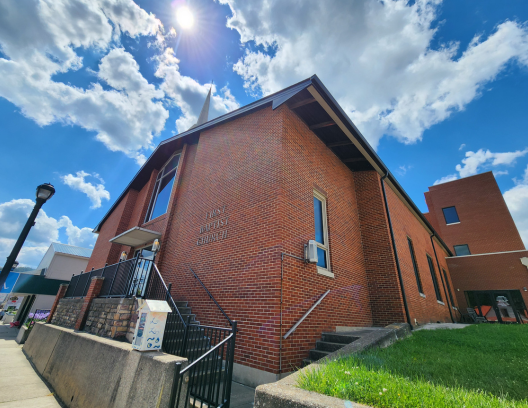
First Baptist Church in Morehead, Ky.
First Baptist Church of Morehead is affiliated with the Cooperative Baptist Fellowship, a moderate Baptist network known for its emphasis on freedom and local church autonomy. The church’s affirming stance places it among a growing number of CBF congregations that are re-examining their posture toward LGBTQ inclusion, especially in the wake of broader conversations around justice and belonging.
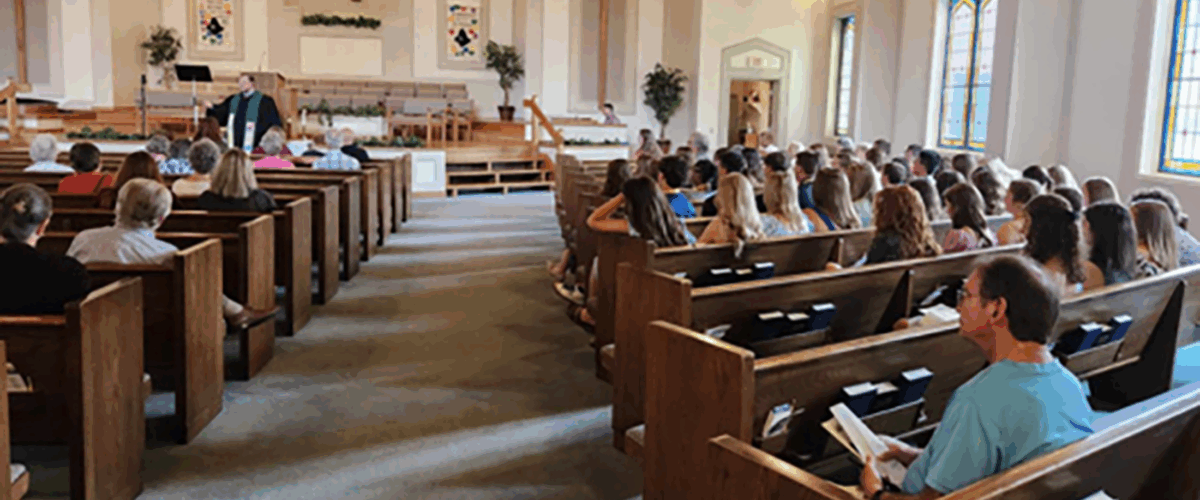
While the decision to become affirming and open to the Spirit’s voice has not been without cost, many have found in First Baptist a spiritual home they never thought possible in rural Kentucky. Students from Morehead State University now attend regularly. LGBTQ elders who had long given up on church have returned to worship. The pews are filled with a mix of lifelong Baptists, young adults from diverse backgrounds and families seeking a community where all are truly welcome.
There are no rainbow flags outside. No flashy slogans. No church-led protests grabbing the attention of national media. Just a congregation trying to follow Jesus as faithfully as they know how.
Contrary to the common narrative that affirming churches are dwindling or directionless, First Baptist is a church alive with ministry. Babies are rocked and nurtured in the nursery. Children’s voices echo through the hallways during Sunday school. College students fill the Fellowship Hall with board games and laughter. Senior adults gather each week for their long-standing class, still opening Scripture together after decades of friendship and shared faith.
The people of First Baptist aren’t looking for attention. They’re just being the church. Each week, they gather to pray, sing, serve and share life together — young and old, queer and straight, lifelong members and newcomers alike. The work isn’t flashy, but it’s faithful. In a town once known for exclusion, this congregation is persistent in bearing witness to a broader, deeper welcome — one rooted in Christ, shaped by holy Scripture and sustained by God’s love.
Jackson Campbell serves as associate pastor at First Baptist Church in Morehead, Ky. A graduate of Transylvania University and a student at Central Baptist Theological Seminary, he is passionate about church growth, NextGen ministry and reclaiming the often-overlooked General Baptist heritage in a progressive, inclusive way. Jackson is the first openly gay Baptist pastor in Eastern Kentucky and works for a more just and generous expression of Christianity. He is an alum of the Forum for Theological Exploration and CBF’s StudentServe and is developing college-age discipleship resources for the “Different-Kind-of-Baptist” movement. He lives with his partner, Micah, and their two dogs.
Related articles:
What I learned hearing 10 Baptist pastors talk about LGBTQ inclusion | Opinion by Mallory Challis
10 reasons your church should be welcoming and affirming | Opinion by Arthur Wright
What our Wilshire congregation learned: Have ‘the conversation’ anyway | Opinion by Mark Wingfield