



At least 17 ministers in the Church of God (Anderson, Ind.) have lost their ministerial credentials for coming out as inclusive of LGBTQ Christians.
The relatively small religious body — which does not identify as a denomination — includes about 7,800 churches with 887,000 members in 89 countries. It is based in Anderson, Ind., and the location often is attached to its name to distinguish it from other groups called Church of God. This body is part of the larger Holiness movement but is not Pentecostal.
As BNG previously reported, similar defrockings have been happening in the Church of the Nazarene, another branch on the Wesleyan/Holiness family tree.
Because of the relatively small size of this Church of God body, revoking ministerial credentials from 17 people is disproportionately larger than what is happening elsewhere. And the church, known for short among insiders as CHOG, is not the most likely place for an LGBTQ awakening to break out.
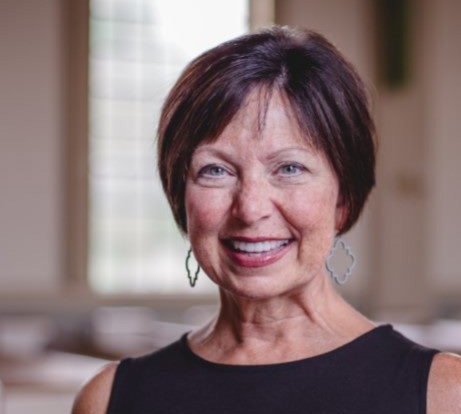
Carma Wood
One of the leaders of this movement is Carma Wood, who took up the cause immediately upon retirement from local church ministry. She did so only after appealing to church leaders to reconsider the official stance in light of new understandings of Scripture and the witness of faithful LGBTQ Christians.
When that failed, she and others went public. They created a website where they published a statement titled, “The Affirmation of LGBTQ People, and the Freedom of Conscience for All Believers within the Church of God.”
In addition to the signatures of six people listed as “authors” of the statement, another 187 are listed as initial signatories and another 722 signatures have since been added.
“There is a strong biblical, theological and ethical case for affirming same-sex partnerships, transgender identity and existence, and gender non-conformity as being fully compatible with Christian discipleship and the theological and doctrinal distinctives of the Church of God Reformation Movement,” the statement says.
“The ultimate authority of God — as expressed through the life of Jesus and evidenced in the ongoing work of the Holy Spirit — serves as a defining guide and source for the living out of full inclusion and affirmation of the LGBTQ community. Holy Scripture is the inspired word of God and can be trusted to inform a Christ-like practice of full inclusion and affirmation of the LGBTQ community. Tradition, science, reason and personal and community experience offer additional insight into the wide gaze of God’s good creation through the diverse lens of humankind.
“Ministers and lay people in the Church of God must have the freedom of conscience to affirm gay, lesbian, bisexual, transgender and queer Christians in their lives, partnerships and ministerial callings.”
“All people are sacred and beloved, created in the image of God. Ministers and lay people in the Church of God must have the freedom of conscience to affirm gay, lesbian, bisexual, transgender and queer Christians in their lives, partnerships and ministerial callings.”
The statement calls on the church to confess and repent of “the harm it has caused and continues to cause” to the LGBTQ community. It urges that “gay, lesbian, bisexual, transgender and queer Christians must be welcomed and recognized as full participants in the life and ministry of the Church of God at all levels. We can have confidence in God’s benevolent intention for the diversity of sexual orientation and gender identity that is represented by the human family.”
Rather than opening a door to conversation, the statement has become a lightning rod. Active clergy who sign it often lose their ordination credentials. This has been especially true for clergy in the church’s Indiana region, which is home base, and more recently in Florida. The Indiana focus prompted a separate response from the authors of the statement.
In 2014, the CHOG General Assembly defined marriage as between one man and one woman and said homosexuality is a sin. Because of the loose nature of connectionalism in the nondenomination denomination, some considered the actions of the General Assembly nonbinding for clergy. The next year, however, the U.S. Supreme Court legalized same-sex marriage nationwide, which forced churches everywhere to more closely define their policies.
Things came to a boil for the CHOG in 2023, with release of the affirming statement, which forced the conversation further into the open.
Wood later told RNS: “I have found the primary emphases woven throughout biblical texts to reflect a radical inclusivity found perhaps most profoundly in the person and ministry of Jesus.”
She considers herself a grandchild of the Church of God movement, steeped in its traditions through generations of family connections.
While Mainline Protestants have become more inclusive, most evangelical and Pentecostal traditions have not. However, outside the most hierarchical bodies — such as the Southern Baptist Convention and the new Global Methodist Church — there are emerging small cracks in the wall against inclusion.
“I pray I will see a radical ‘coming out’ of the church in my lifetime where we no longer use biblical texts and misguided tradition to marginalize the LGBTQ community, Wood said. “I’m incredibly thankful for LGBTQ friends and colleagues who walk alongside me as we learn together what it means to follow Jesus in our diverse world.
Related articles:
In Kim Davis’ backyard, a Baptist church stays faithful | Opinion by Jackson Campbell
Expelled from his own denomination, Oord still holds out hope for change
Church of the Nazarene defrocks retired professor over LGBTQ beliefs