

Apparently strange fruit is still being harvested.
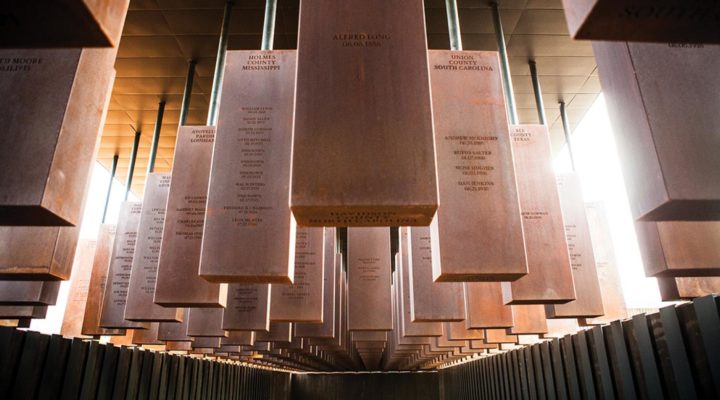
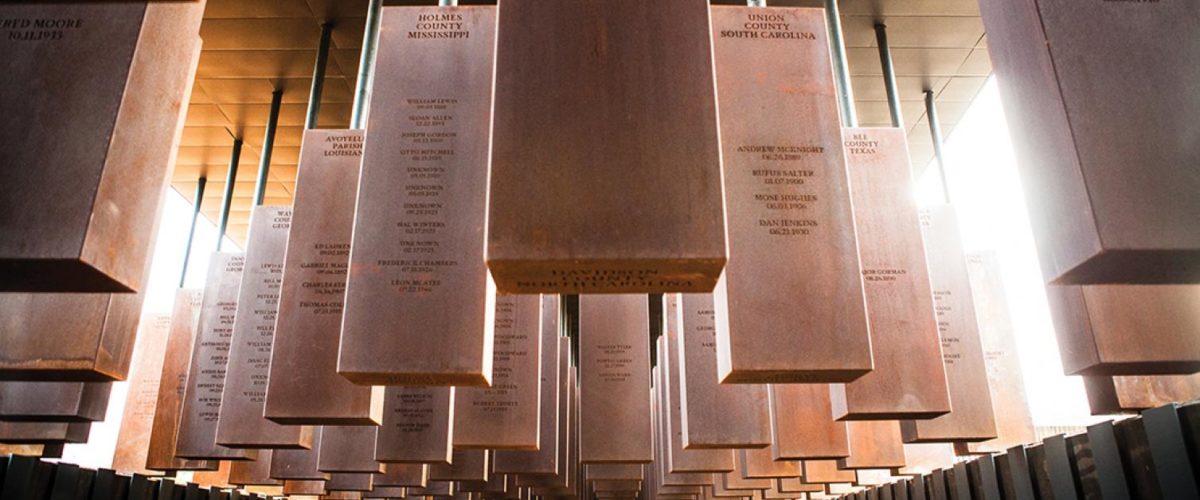
That’s the chilling metaphor of Black bodies hanging from trees in the American South. Mississippi long has been the epicenter of America’s most brutal racial domestic terrorisms, lynchings. Between 1877 and 1950, according to the Equal Justice Initiative, Mississippi recorded at least 654 documented lynchings of African Americans — more than any other state.
Neighboring states like Georgia, Louisiana, Alabama and Arkansas weren’t far behind. Across the Deep South, thousands of Black men, women and children were lynched, burned alive, castrated, dismembered and buried in unmarked graves as local governments and white supremacist mobs wove terror into daily life.

Edmond W. Davis
This was not random violence. It was racial control. It was public spectacle. It was state-sanctioned silence, as always has been the case.
That is the blood-soaked soil on which Delta State University stands.
Last week, 21-year-old Demartravion “Trey” Reed, a student at Delta State in Cleveland, Miss., was found hanging from a tree near the pickleball courts on campus. His body reportedly showed broken limbs. Yet authorities, led by DSU Chief of Police Michael Peeler, were quick to say they “do not suspect foul play” — although they claim investigations are ongoing, according to the Mississippi Free Press.
That chilling phrase has become all too familiar to Black America. It is the same dismissive refrain that has followed far too many suspicious deaths of Black students and citizens in the South for decades.
It must be said plainly: Lynching never truly ended in America. It evolved — morphing from open-air public murders to quiet coverups, from white mobs with torches to institutions with press releases. The Black community has seen this pattern before: Strange deaths, swift denials, silent media coverage. The socio-psychological assault is part of the crime.
Delta State University is not an HBCU, but this tragedy comes just days after multiple HBCUs across the country received threats from white supremacists — explicit retaliation following the high-profile murder of conservative activist Charlie Kirk. It is impossible to ignore the timing. While the nation mourned Kirk in near unison, the death of Trey Reed has barely cracked the news cycle.
And yet, this is the America Black people know.

Demartravion “Trey” Reed
HBCUs exist precisely because white supremacists once barred African Americans from attending or socializing as equals at white institutions. Black Wall Street communities — more than 90 across the nation — all once thrived without government support, built by Black hands for Black commerce, because white society refused to see Black people as fully American. It was only in the last 60 years, since the Civil Rights Act and the Voting Rights Act, that Black Southerners could participate in democracy at all.
Yet, when a young Black student is found hanging from a tree in Mississippi in 2025, the response is still, “No foul play suspected.”
One must ask: What would Charlie Kirk say about Trey Reed?
Would he recognize the hypocrisy of a nation that lionizes his life while minimizing Trey’s? Would he admit white grief often commands sympathy while Black grief is met with suspicion and silence? Would he, even in death, acknowledge the soil of Mississippi is layered with the bones of Black Americans who never were given the benefit of the doubt?
Before the media dissects Trey Reed’s private life — as they did with Kobe Bryant, Michael Jackson, George Floyd and countless others — let us say his name with dignity. Demartravion “Trey” Reed. He was a student. He was loved. He was human.
To all African American students — especially those in the Deep South — be vigilant. This is not paranoia; it is history echoing. My heart is with Trey’s family, his classmates and the state of Mississippi. America waits, and Americans are watching.
Because this is who we are. And the question now is: Will we finally tell the truth about it?
Edmond W. Davis is a social historian, speaker, collegiate professor, international journalist and former director of the Derek Olivier Research Institute. He is an expert on various historical and emotional intelligence topics. He’s globally known for his work as a researcher regarding the history of the Tuskegee Airmen and Airwomen. He’s the founder and executive director of America’s first and only National HBCU Black Wall Street Career Fest.
Related articles:
Tennessee representative who proposed execution by ‘hanging by a tree’ needs a history lesson | Opinion by Rodney Kennedy
‘Try That in A Small Town’ | Opinion by Richard Conville
How 300 children lost their fathers to lynching on a single day because of a conspiracy theory | Opinion by Alan Bean