


Members of Gen Z are committed to missions but insist on changes to old models before they sign on, says a survey from InterVarsity as the campus ministry prepares for this year’s Urbana Student Missions Conference Dec. 28-31 in Phoenix.
The Urbana conferences started in 1946 amid a post-World War II boom period of sending missionaries and founding parachurch ministries. This year’s Urbana conference arrives after decades of decline in the sending of American missionaries and as more Baby Boomer and Gen X missionaries are retiring.
Mission-minded members of Gen Z, born between 1997 and 2012, demand that projects foster independence rather than dependence, prefer a holistic approach that meets both physical and spiritual needs, and insist on “radical transparency” about goals and results, according to the survey.

Greg Jao
“It is clear that this generation will not blindly step into just any mission opportunity that comes their way,” says the report, which is said to represent a “fundamental shift” from earlier models.
“They are more thoughtful about the organizations they serve with, how they fit into the big picture, and whether that organization’s big picture is actually good for the communities they serve,” the report explains. “This generation is applying the same critical lens to missions that they apply to brands, employers and social causes. They want proof of impact, alignment with their values and honest communication about what works and what doesn’t.”
InterVarsity executive Greg Jao, who has emceed previous Urbana gatherings, said the survey shows “this generation grew up more globally connected than any other generation in history, thanks to social media, and they’re actually more aware of what’s happening around the globe than previous generations.”
“They are also more aware of the church’s failures and missteps” in the past while “the breadth of their information has changed the way they are thinking about missions.”
The survey found 43% of respondents “demand radical transparency about goals, challenges and actual impact” and “reject the choice between meeting physical needs and sharing the gospel, but see holistic ministry as essential, not optional.”
The survey was based on responses to questionnaires from 114 young adults and online follow-up focus groups with 54 of those respondents.
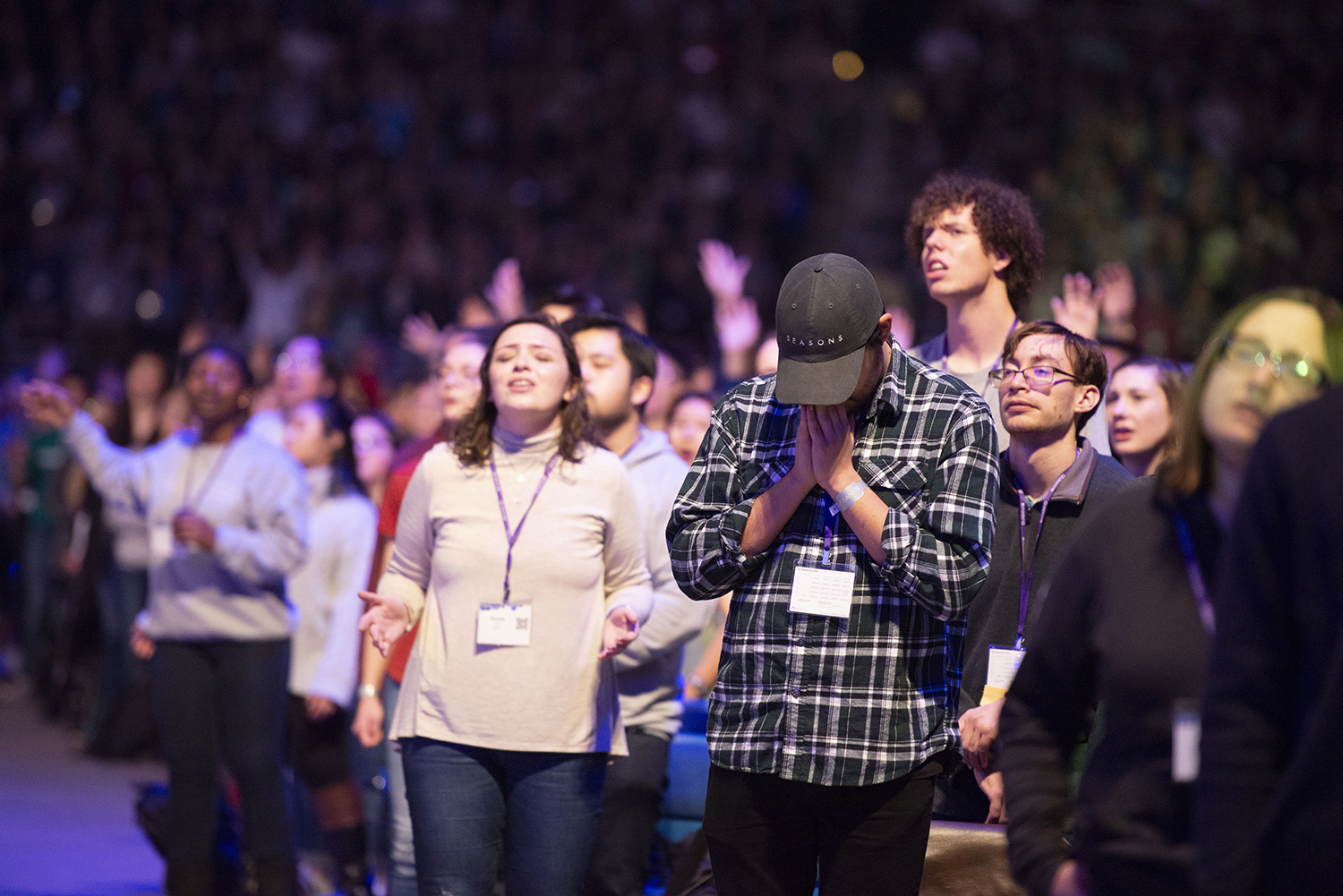
Urbana 18
“Sustainability Over Quick Fixes” was a key survey theme. Gen Z-ers are skeptical of short-term mission trips. “They’re not satisfied with painting churches,” Jao said. “They want to think very hard about who is being served by the trip.”
Long-term service should result in long-term impact, including:
- 34% said learning a language and culture is important to build authentic relationships
- 33% emphasized partnering with local organizations to build sustainable long-term impact
- 32% prioritized working collaboratively on supportive, diverse ministry teams
Jao said Gen Z-ers desire older mentors who can pass on their wisdom. Perhaps some of the retiring missionaries could meet that need.
Urbana 2025 should attract more people than the 2022 version, when attendance was hampered by the COVID pandemic’s impact on colleges and InterVarsity chapters.